


Home
the Gods of Sea: Whales and Coastal Communities Northeast Japan, c.1600-2019
Barnes and Noble
Loading Inventory...
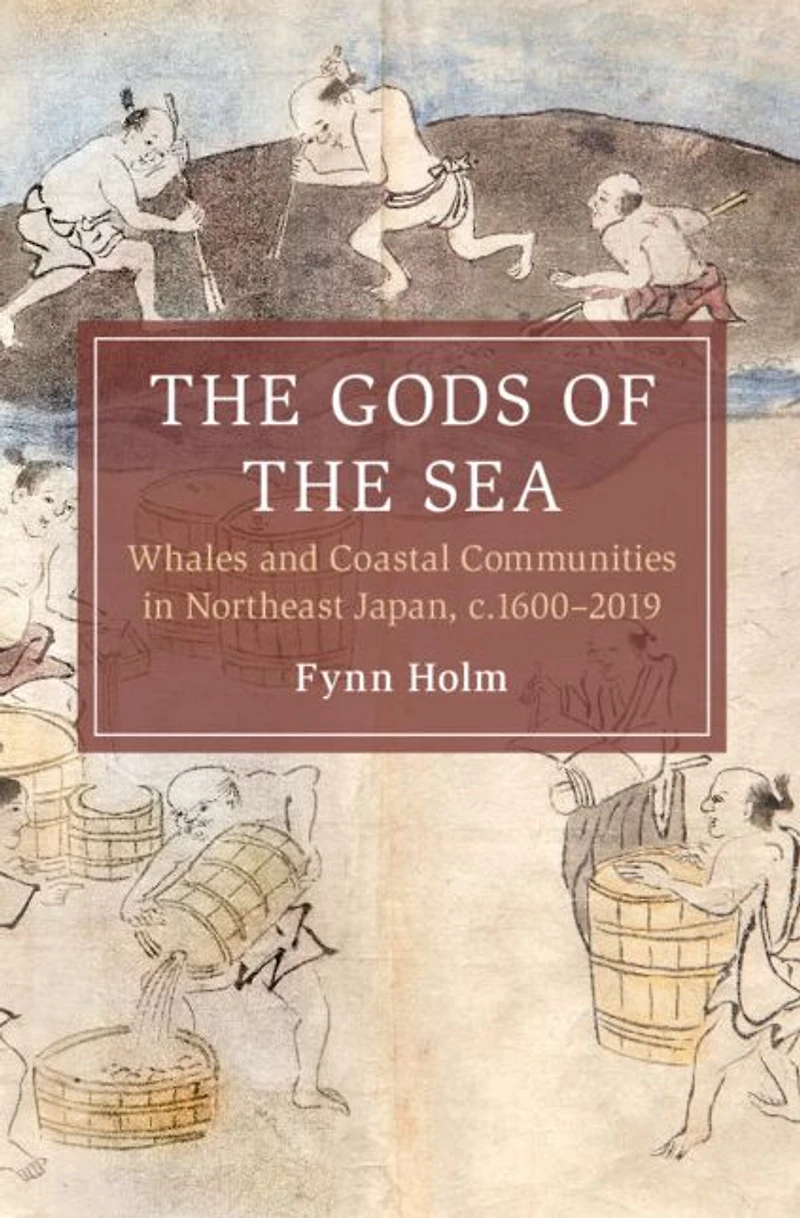
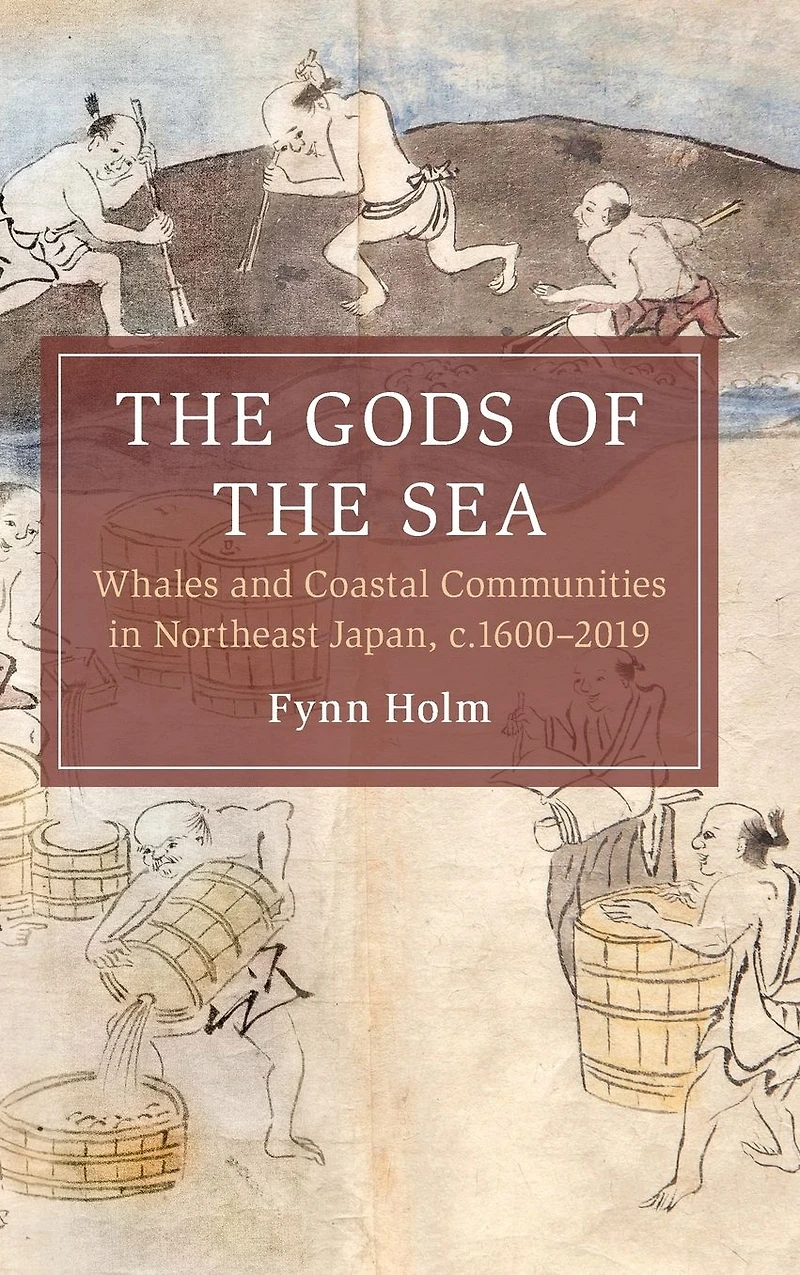
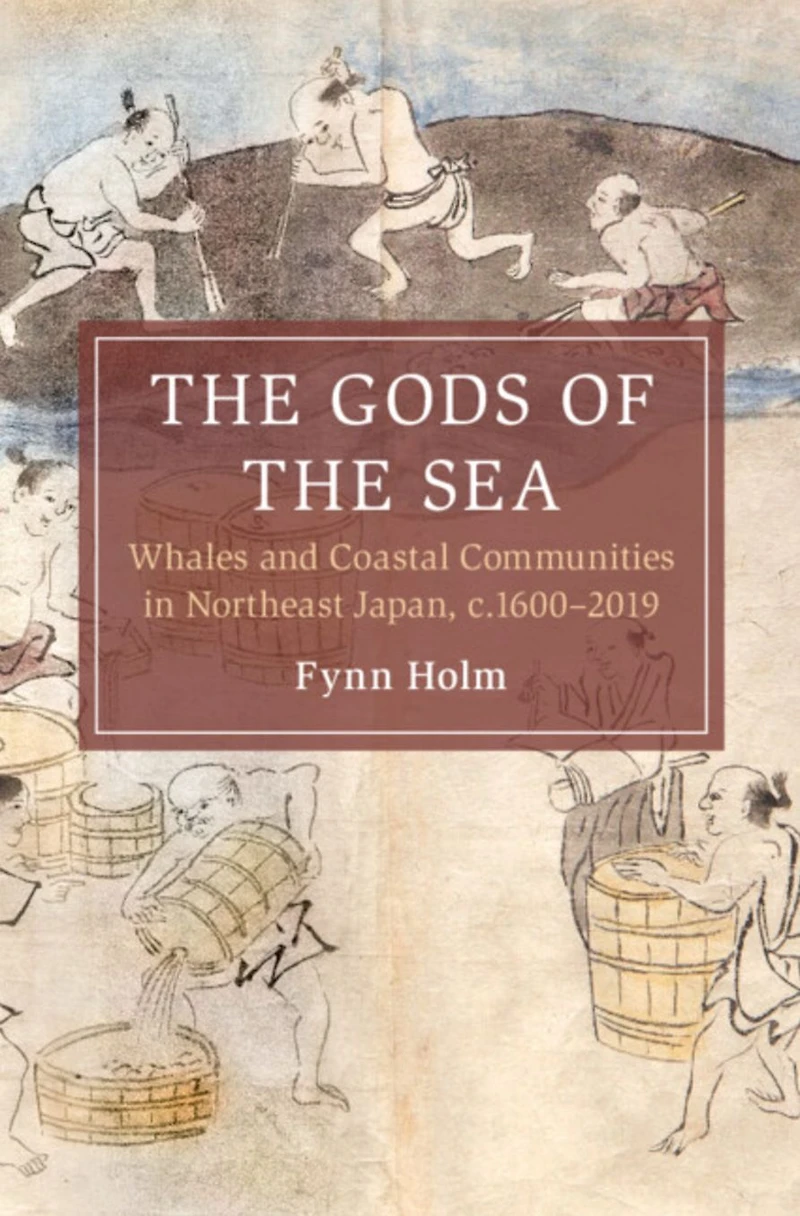
the Gods of Sea: Whales and Coastal Communities Northeast Japan, c.1600-2019 in Bloomington, MN
By Barnes & Noble
Current price: $39.99

the Gods of Sea: Whales and Coastal Communities Northeast Japan, c.1600-2019 in Bloomington, MN
Current price: $39.99
Loading Inventory...
Size: EBook
Japan is often imagined as a nation with a long history of whaling. In this innovative new study, Fynn Holm argues that for centuries some regions in early modern Japan did not engage in whaling. In fact, they were actively opposed to it, even resorting to violence when whales were killed. Resistance against whaling was widespread especially in the Northeast among the Japanese fishermen who worshiped whales as the incarnation of Ebisu, the god of the sea. Holm argues that human interactions with whales were much more diverse than the basic hunter-prey relationship, as cetaceans played a pivotal role in proto-industrial fisheries. The advent of industrial whaling in the early twentieth century, however, destroyed this centuries-long equilibrium between humans and whales. In its place, communities in Northeast Japan invented a new whaling tradition, which has almost completely eclipsed older forms of human-whale interactions. This title is also available as Open Access.
Japan is often imagined as a nation with a long history of whaling. In this innovative new study, Fynn Holm argues that for centuries some regions in early modern Japan did not engage in whaling. In fact, they were actively opposed to it, even resorting to violence when whales were killed. Resistance against whaling was widespread especially in the Northeast among the Japanese fishermen who worshiped whales as the incarnation of Ebisu, the god of the sea. Holm argues that human interactions with whales were much more diverse than the basic hunter-prey relationship, as cetaceans played a pivotal role in proto-industrial fisheries. The advent of industrial whaling in the early twentieth century, however, destroyed this centuries-long equilibrium between humans and whales. In its place, communities in Northeast Japan invented a new whaling tradition, which has almost completely eclipsed older forms of human-whale interactions. This title is also available as Open Access.
Shop Similar Products









Find at Mall of America® in Bloomington, MN
Visit at Mall of America® in Bloomington, MN