


Home
The Godfather
Barnes and Noble
Loading Inventory...
The Godfather in Bloomington, MN
By Barnes & Noble
Current price: $14.35

The Godfather in Bloomington, MN
Current price: $14.35
Loading Inventory...
Size: EBook
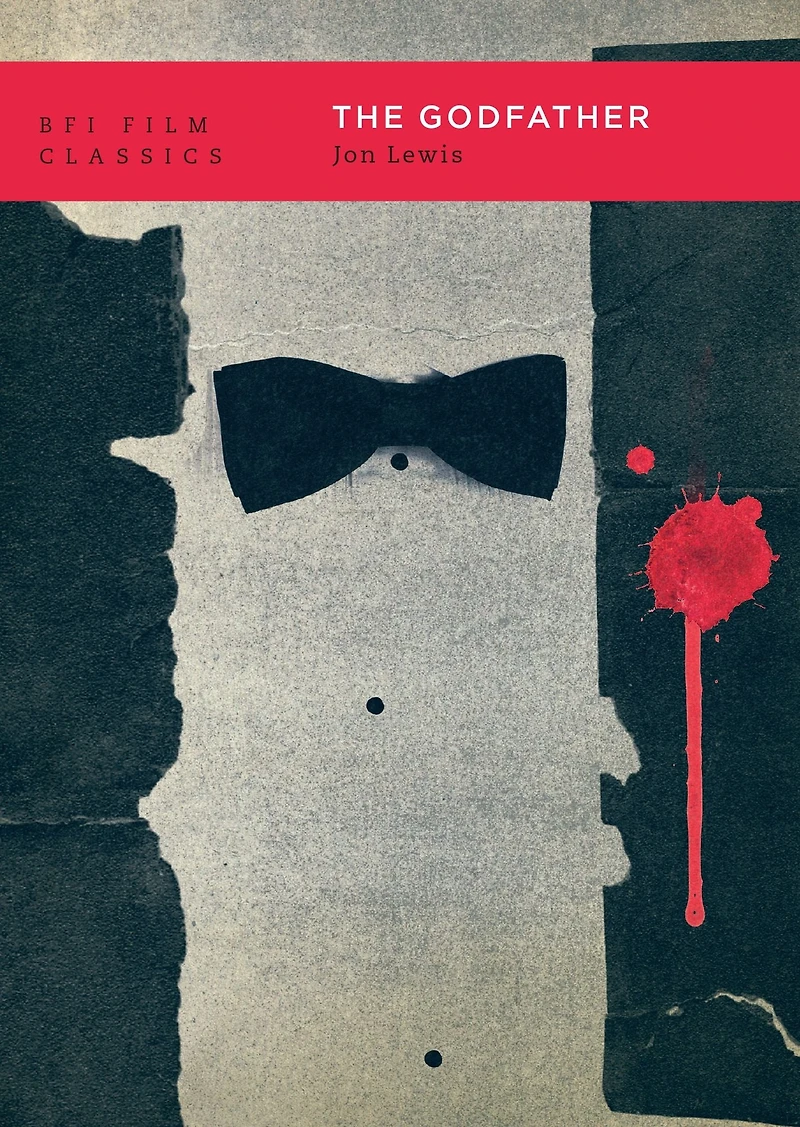
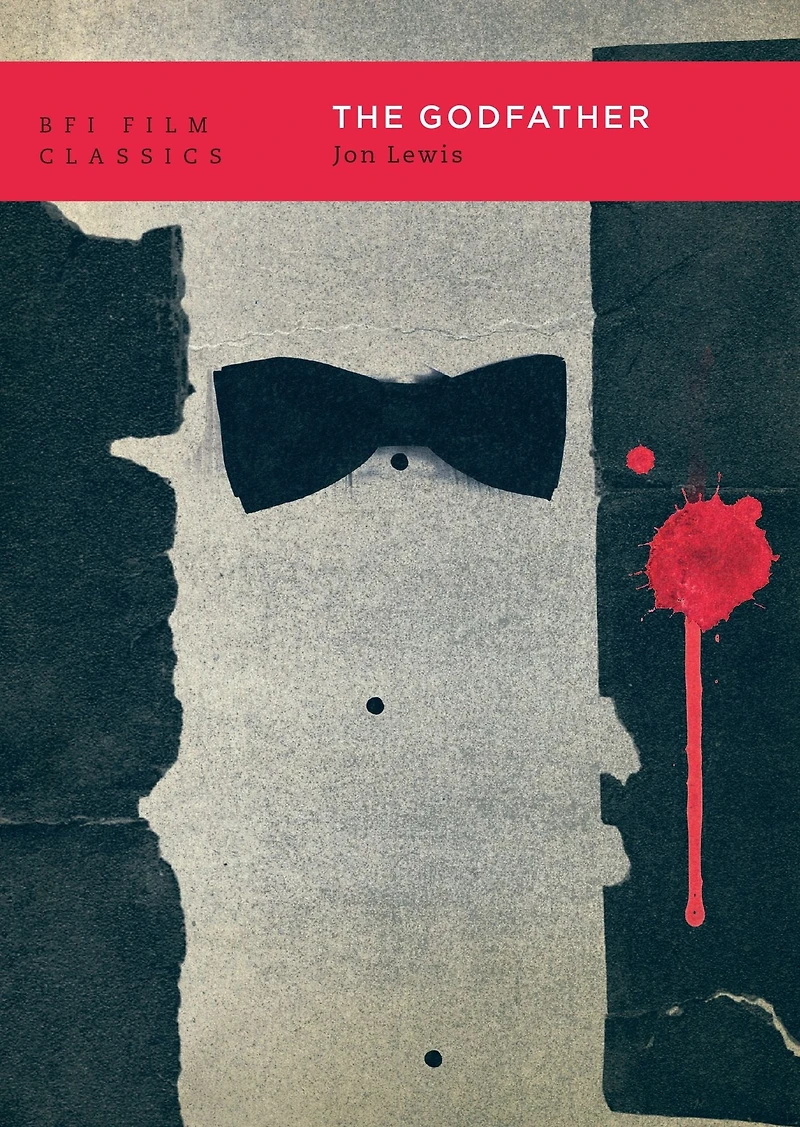
Francis Ford Coppola's The Godfather (1972) marked a transition in American film-making, and its success – as a work of art, as a creative 'property' exploited by its studio, Paramount Pictures; and as a model for aspiring auteurist film-makers – changed Hollywood forever. Jon Lewis's study of The Godfather begins with a close look at the film's audacious visual style (the long, theatrical set pieces; the chiaroscuro lighting, the climactic montage paralleling a family baptism with a series of brutal murders). The analysis of visual style is paired with a discussion of the movie's principal themes: Vito and Michael's attempt to balance the obligations of business and family, their struggle with assimilation, the temptations and pitfalls of capitalist accumulation, and the larger drama of succession from father to son, from one generation to the next. The textual analysis precedes a production history that views The Godfather as a singularly important film in Hollywood's dramatic box-office turnaround in the early 1970s. And then, finally, the book takes a long hard look at the gangster himself both on screen and off. Hollywood publicity attending the gangster film from its inception in the silent era to the present has endeavoured to dull the distinction between the real and movie gangster, insisting that each film has been culled from the day's sordid headlines. Looking at the drama on screen and the production history behind the scenes, Lewis uncovers a series of real gangster backstories, revealing, finally, how millions of dollars of mob money may well have funded the film in the first place, and how, as things played out, The Godfather saved Paramount Studios and the rest of Hollywood as well.
Francis Ford Coppola's The Godfather (1972) marked a transition in American film-making, and its success – as a work of art, as a creative 'property' exploited by its studio, Paramount Pictures; and as a model for aspiring auteurist film-makers – changed Hollywood forever. Jon Lewis's study of The Godfather begins with a close look at the film's audacious visual style (the long, theatrical set pieces; the chiaroscuro lighting, the climactic montage paralleling a family baptism with a series of brutal murders). The analysis of visual style is paired with a discussion of the movie's principal themes: Vito and Michael's attempt to balance the obligations of business and family, their struggle with assimilation, the temptations and pitfalls of capitalist accumulation, and the larger drama of succession from father to son, from one generation to the next. The textual analysis precedes a production history that views The Godfather as a singularly important film in Hollywood's dramatic box-office turnaround in the early 1970s. And then, finally, the book takes a long hard look at the gangster himself both on screen and off. Hollywood publicity attending the gangster film from its inception in the silent era to the present has endeavoured to dull the distinction between the real and movie gangster, insisting that each film has been culled from the day's sordid headlines. Looking at the drama on screen and the production history behind the scenes, Lewis uncovers a series of real gangster backstories, revealing, finally, how millions of dollars of mob money may well have funded the film in the first place, and how, as things played out, The Godfather saved Paramount Studios and the rest of Hollywood as well.
Shop Similar Products














Find at Mall of America® in Bloomington, MN
Visit at Mall of America® in Bloomington, MN