


Home
The Fruits of Empire: Art, Food, and the Politics of Race in the Age of American Expansion
Barnes and Noble
Loading Inventory...
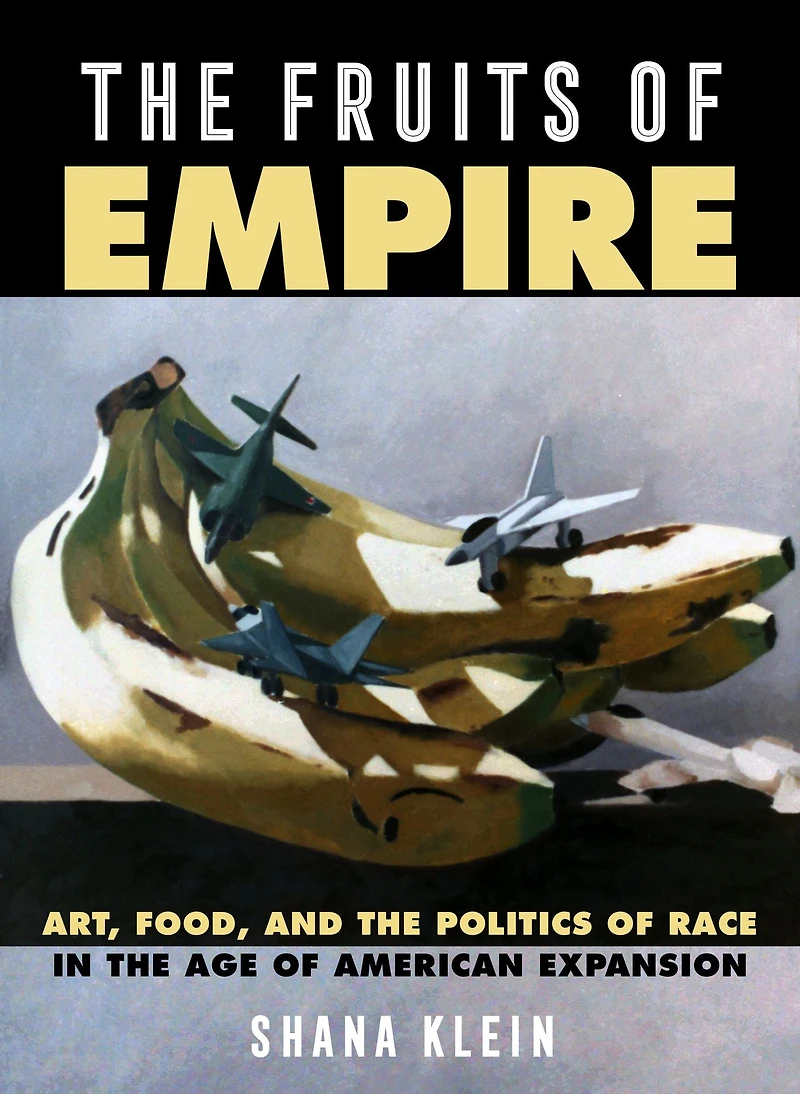
The Fruits of Empire: Art, Food, and the Politics of Race in the Age of American Expansion in Bloomington, MN
By Barnes & Noble
Current price: $65.00

The Fruits of Empire: Art, Food, and the Politics of Race in the Age of American Expansion in Bloomington, MN
Current price: $65.00
Loading Inventory...
Size: Hardcover
The Fruits of Empire is a history of American expansion through the lens of art and food. In the decades after the Civil War, Americans consumed an unprecedented amount of fruit as it grew more accessible with advancements in refrigeration and transportation technologies. This excitement for fruit manifested in an explosion of fruit imagery within still life paintings, prints, trade cards, and more. Images of fruit labor and consumption by immigrants and people of color also gained visibility, merging alongside the efforts of expansionists to assimilate land and, in some cases, people into the national body. Divided into five chapters on visual images of the grape, orange, watermelon, banana, and pineapple, this book demonstrates how representations of fruit struck the nerve of the nation’s most heated debates over land, race, and citizenship in the age of high imperialism.
The Fruits of Empire is a history of American expansion through the lens of art and food. In the decades after the Civil War, Americans consumed an unprecedented amount of fruit as it grew more accessible with advancements in refrigeration and transportation technologies. This excitement for fruit manifested in an explosion of fruit imagery within still life paintings, prints, trade cards, and more. Images of fruit labor and consumption by immigrants and people of color also gained visibility, merging alongside the efforts of expansionists to assimilate land and, in some cases, people into the national body. Divided into five chapters on visual images of the grape, orange, watermelon, banana, and pineapple, this book demonstrates how representations of fruit struck the nerve of the nation’s most heated debates over land, race, and citizenship in the age of high imperialism.
Shop Similar Products
















Find at Mall of America® in Bloomington, MN
Visit at Mall of America® in Bloomington, MN