


Home
The Few: Women Who Flew the P-38
Barnes and Noble
Loading Inventory...
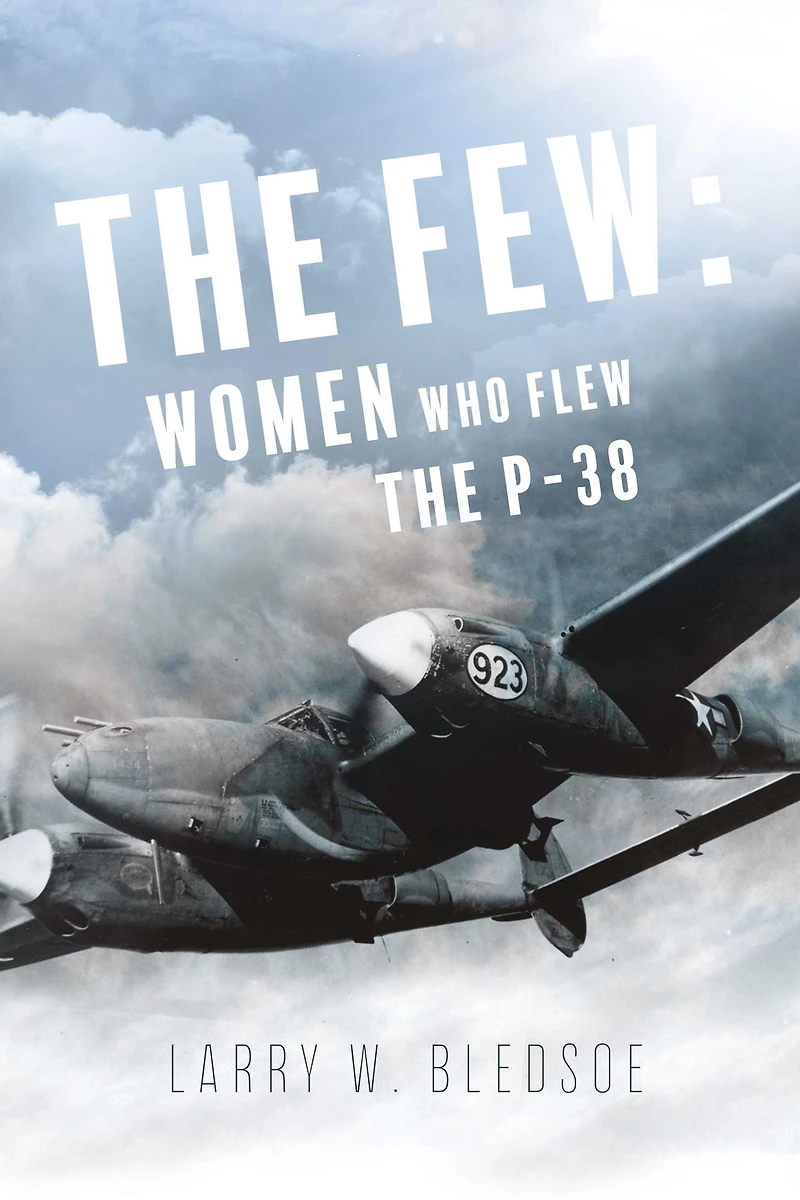
The Few: Women Who Flew the P-38 in Bloomington, MN
By Barnes & Noble
Current price: $6.99

The Few: Women Who Flew the P-38 in Bloomington, MN
Current price: $6.99
Loading Inventory...
Size: EBook
When World WAR II started, there was a shortage of pilots. The big question was, “Where are they going to come from?” Aircraft manufacturers were ramping up production capabilities. New fighter planes, bombers, and transports were being built in increasing numbers for the U.S. Military and our Allies. That created a logistics problem – How were they to be delivered from the factory to military bases, ports of embarkation, or overseas? The Ferry Command was created to make these deliveries. Since combat units had priority for military pilots, where were they going to get the ferry pilots they needed? That dilemma opened the door for women pilots. Nancy Love was given the task of creating the Women’s Auxiliary Ferrying Squadron (WAFS). More women were needed and Jackie Cochran was given the task of creating the Women’s Flying Training Detachment (WFTD). Some of these graduates became ferry pilots for the Ferry Command. These two organizations were then combined to become the now well-known Women Airforce Service Pilots (WASP). It was the women pilots in the Ferry Command under Nancy Love that were given the job of moving military aircraft from the factories to their destination. It wasn’t until 1944 that they started ferrying the high-performance fighter aircraft including the P-38 Lightning. The Lockheed P-38 was uniquely different from the other U.S. fighter planes. Why, and how, that effected pilot check out is part of the story. The WASP were disbanded on December 22, 1945, months before WWII ended. By then only twenty-six women pilots in the Ferry Command were qualified to ferry P-38s. Who were they and why so few? That’s the untold story this book tells.
When World WAR II started, there was a shortage of pilots. The big question was, “Where are they going to come from?” Aircraft manufacturers were ramping up production capabilities. New fighter planes, bombers, and transports were being built in increasing numbers for the U.S. Military and our Allies. That created a logistics problem – How were they to be delivered from the factory to military bases, ports of embarkation, or overseas? The Ferry Command was created to make these deliveries. Since combat units had priority for military pilots, where were they going to get the ferry pilots they needed? That dilemma opened the door for women pilots. Nancy Love was given the task of creating the Women’s Auxiliary Ferrying Squadron (WAFS). More women were needed and Jackie Cochran was given the task of creating the Women’s Flying Training Detachment (WFTD). Some of these graduates became ferry pilots for the Ferry Command. These two organizations were then combined to become the now well-known Women Airforce Service Pilots (WASP). It was the women pilots in the Ferry Command under Nancy Love that were given the job of moving military aircraft from the factories to their destination. It wasn’t until 1944 that they started ferrying the high-performance fighter aircraft including the P-38 Lightning. The Lockheed P-38 was uniquely different from the other U.S. fighter planes. Why, and how, that effected pilot check out is part of the story. The WASP were disbanded on December 22, 1945, months before WWII ended. By then only twenty-six women pilots in the Ferry Command were qualified to ferry P-38s. Who were they and why so few? That’s the untold story this book tells.














Find at Mall of America® in Bloomington, MN
Visit at Mall of America® in Bloomington, MN