


Home
The Fabric of Gender: Working-Class Culture in Third Republic France
Barnes and Noble
Loading Inventory...
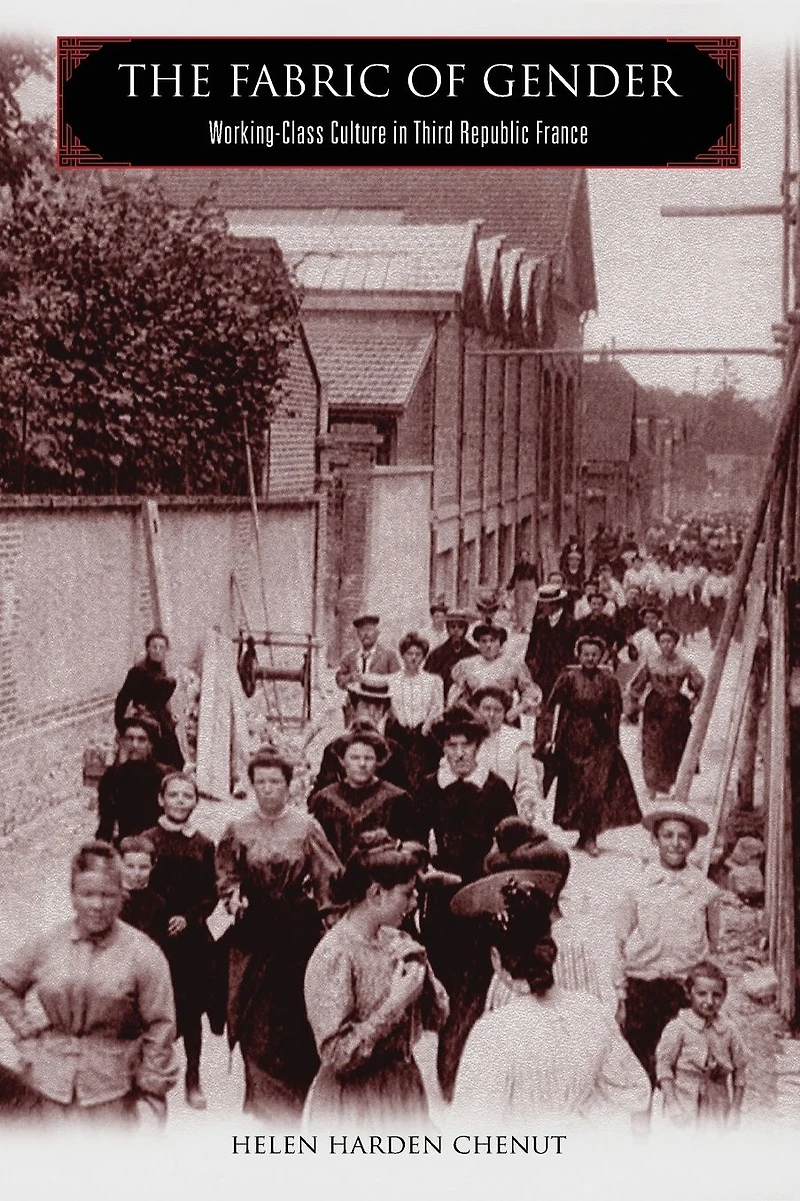
The Fabric of Gender: Working-Class Culture in Third Republic France in Bloomington, MN
By Barnes & Noble
Current price: $20.47

The Fabric of Gender: Working-Class Culture in Third Republic France in Bloomington, MN
Current price: $20.47
Loading Inventory...
Size: Paperback
The years of the Third Republic (1870–1940) in France were ones of intense social and economic transformation as workers struggled to defend their rights in the face of growing industrial capitalism. In The Fabric of Gender, Helen Chenut paints a vivid picture of working life during these years by following four generations of laboring women and men in one community, the textile town of Troyes in the Champagne region.In Troyes workers were locked in an adversarial relationship with mill owners, whose monopoly over the labor market in a single-industry town largely determined the workers’ future. And yet workers managed to create a counterculture of resistance by founding labor unions, consumer cooperatives, and socialist parties through which they were gradually able to implement change. Women were key actors in this struggle as their garment-making skills became increasingly important to the growing productivity of the knitted textile industry. Drawing upon rich archival records, oral histories, and highly evocative illustrations, Chenut tells a fascinating story of this fight for a “social republic,” one in which both men and women had the right to work for a living wage and to partake in a consumer society.The Fabric of Gender appears at a time when European labor historians are reexamining their field. Chenut’s innovative study of working-class culture—integrating gender, class, politics, and consumption—stands as a model for the expansion of labor history beyond traditional lines of inquiry.
The years of the Third Republic (1870–1940) in France were ones of intense social and economic transformation as workers struggled to defend their rights in the face of growing industrial capitalism. In The Fabric of Gender, Helen Chenut paints a vivid picture of working life during these years by following four generations of laboring women and men in one community, the textile town of Troyes in the Champagne region.In Troyes workers were locked in an adversarial relationship with mill owners, whose monopoly over the labor market in a single-industry town largely determined the workers’ future. And yet workers managed to create a counterculture of resistance by founding labor unions, consumer cooperatives, and socialist parties through which they were gradually able to implement change. Women were key actors in this struggle as their garment-making skills became increasingly important to the growing productivity of the knitted textile industry. Drawing upon rich archival records, oral histories, and highly evocative illustrations, Chenut tells a fascinating story of this fight for a “social republic,” one in which both men and women had the right to work for a living wage and to partake in a consumer society.The Fabric of Gender appears at a time when European labor historians are reexamining their field. Chenut’s innovative study of working-class culture—integrating gender, class, politics, and consumption—stands as a model for the expansion of labor history beyond traditional lines of inquiry.
Shop Similar Products














Find at Mall of America® in Bloomington, MN
Visit at Mall of America® in Bloomington, MN