


Home
The Environmental Humanities: A Critical Introduction
Barnes and Noble
Loading Inventory...
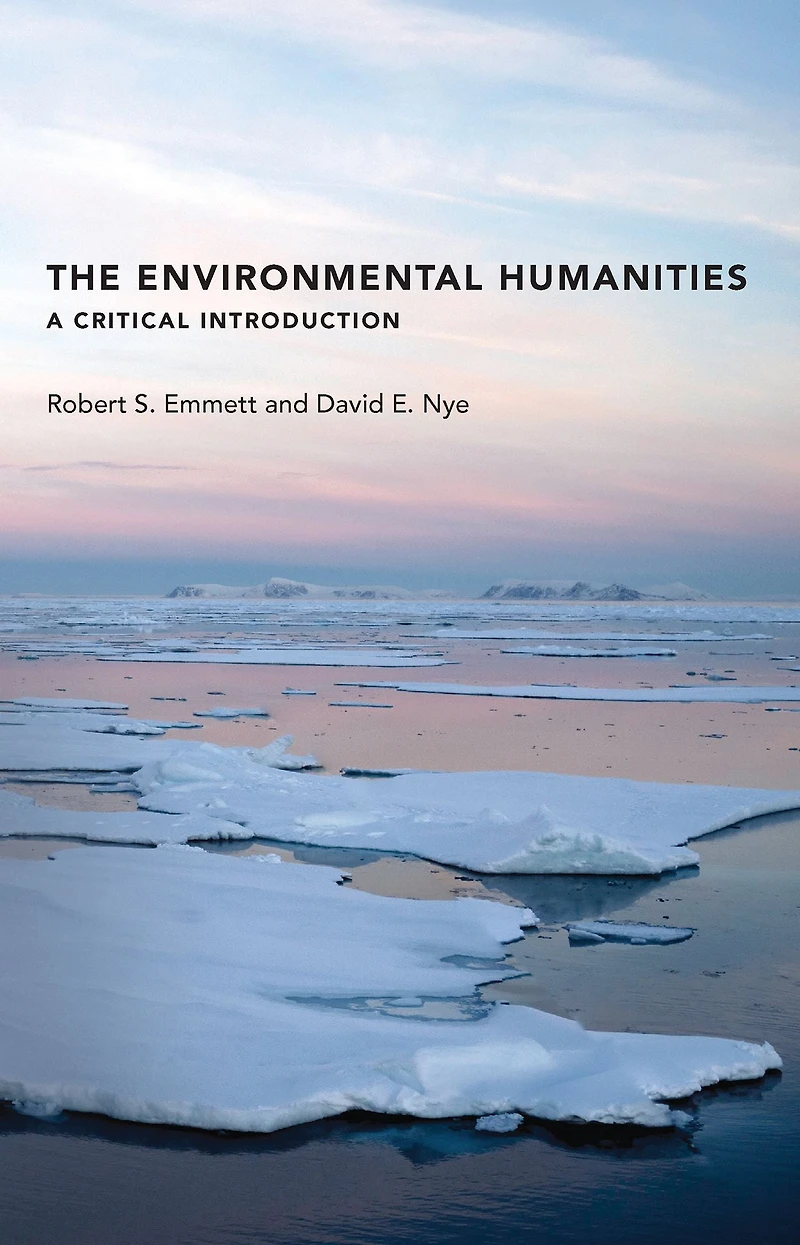
The Environmental Humanities: A Critical Introduction in Bloomington, MN
By Barnes & Noble
Current price: $21.99

The Environmental Humanities: A Critical Introduction in Bloomington, MN
Current price: $21.99
Loading Inventory...
Size: EBook
A concise overview of this multidisciplinary field, presenting key concepts, central issues, and current research, along with concrete examples and case studies.The emergence of the environmental humanities as an academic discipline early in the twenty-first century reflects the growing conviction that environmental problems cannot be solved by science and technology alone. This book offers a concise overview of this new multidisciplinary field, presenting concepts, issues, current research, concrete examples, and case studies. Robert Emmett and David Nye show how humanists, by offering constructive knowledge as well as negative critique, can improve our understanding of such environmental problems as global warming, species extinction, and over-consumption of the earth's resources. They trace the genealogy of environmental humanities from European, Australian, and American initiatives, also showing its cross-pollination by postcolonial and feminist theories. Emmett and Nye consider a concept of place not synonymous with localism, the risks of ecotourism, and the cultivation of wild areas. They discuss the decoupling of energy use and progress, and point to OECD countries for examples of sustainable development. They explain the potential for science to do both good and harm, examine dark visions of planetary collapse, and describe more positive possibilities—alternative practices, including localization and degrowth. Finally, they examine the theoretical impact of new materialism, feminism, postcolonial criticism, animal studies, and queer ecology on the environmental humanities.
A concise overview of this multidisciplinary field, presenting key concepts, central issues, and current research, along with concrete examples and case studies.The emergence of the environmental humanities as an academic discipline early in the twenty-first century reflects the growing conviction that environmental problems cannot be solved by science and technology alone. This book offers a concise overview of this new multidisciplinary field, presenting concepts, issues, current research, concrete examples, and case studies. Robert Emmett and David Nye show how humanists, by offering constructive knowledge as well as negative critique, can improve our understanding of such environmental problems as global warming, species extinction, and over-consumption of the earth's resources. They trace the genealogy of environmental humanities from European, Australian, and American initiatives, also showing its cross-pollination by postcolonial and feminist theories. Emmett and Nye consider a concept of place not synonymous with localism, the risks of ecotourism, and the cultivation of wild areas. They discuss the decoupling of energy use and progress, and point to OECD countries for examples of sustainable development. They explain the potential for science to do both good and harm, examine dark visions of planetary collapse, and describe more positive possibilities—alternative practices, including localization and degrowth. Finally, they examine the theoretical impact of new materialism, feminism, postcolonial criticism, animal studies, and queer ecology on the environmental humanities.
Shop Similar Products












Find at Mall of America® in Bloomington, MN
Visit at Mall of America® in Bloomington, MN