


Home
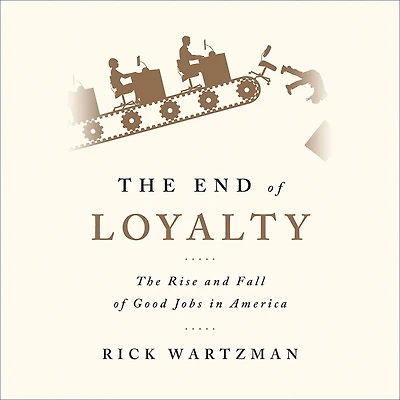
The End of Jobs: Rise On-Demand Workers and Agile Corporations
Barnes and Noble
Loading Inventory...
The End of Jobs: Rise On-Demand Workers and Agile Corporations in Bloomington, MN
By Barnes & Noble
Current price: $19.99

The End of Jobs: Rise On-Demand Workers and Agile Corporations in Bloomington, MN
Current price: $19.99
Loading Inventory...
Size: Audiobook
As the robots rise, we are faced with the End of Jobs, but not in the way you might think . . .The world has witnessed three step functions in technological change: mechanization, electrification, and computerization. These industrial revolutions led to massive increases in productivity and thus the need for fewer workers. With each of these technological breakthroughs, the power balance between companies and workers shifted heavily to companies. The abuses of that power by companies instigated employee unrest and sometimes even armed uprisings. Counterbalancing forces rose to constrain companies' power, eventually prompting unions, regulation, and the social safety net to bring stability to the relationship.As we enter the fourth great leap forward in technology with robots and AI, we face the first services revolution. The power balance will again shift massively to companies as new technologies drive productivity increases in the service industry, much as the last three industrial revolutions transformed manufacturing. What lessons can we learn from the past three industrial revolutions and the current state of the labor market? How will we renegotiate the social contract to ensure fairness for workers, set clear rules for companies, and provide stability for society? What is the future of work?
As the robots rise, we are faced with the End of Jobs, but not in the way you might think . . .The world has witnessed three step functions in technological change: mechanization, electrification, and computerization. These industrial revolutions led to massive increases in productivity and thus the need for fewer workers. With each of these technological breakthroughs, the power balance between companies and workers shifted heavily to companies. The abuses of that power by companies instigated employee unrest and sometimes even armed uprisings. Counterbalancing forces rose to constrain companies' power, eventually prompting unions, regulation, and the social safety net to bring stability to the relationship.As we enter the fourth great leap forward in technology with robots and AI, we face the first services revolution. The power balance will again shift massively to companies as new technologies drive productivity increases in the service industry, much as the last three industrial revolutions transformed manufacturing. What lessons can we learn from the past three industrial revolutions and the current state of the labor market? How will we renegotiate the social contract to ensure fairness for workers, set clear rules for companies, and provide stability for society? What is the future of work?
Shop Similar Products













Find at Mall of America® in Bloomington, MN
Visit at Mall of America® in Bloomington, MN