


Home
The Emperor Nero's Pottery and Tilery at Little London, Pamber, by Silchester, Hampshire: The Excavations of 2017
Barnes and Noble
Loading Inventory...
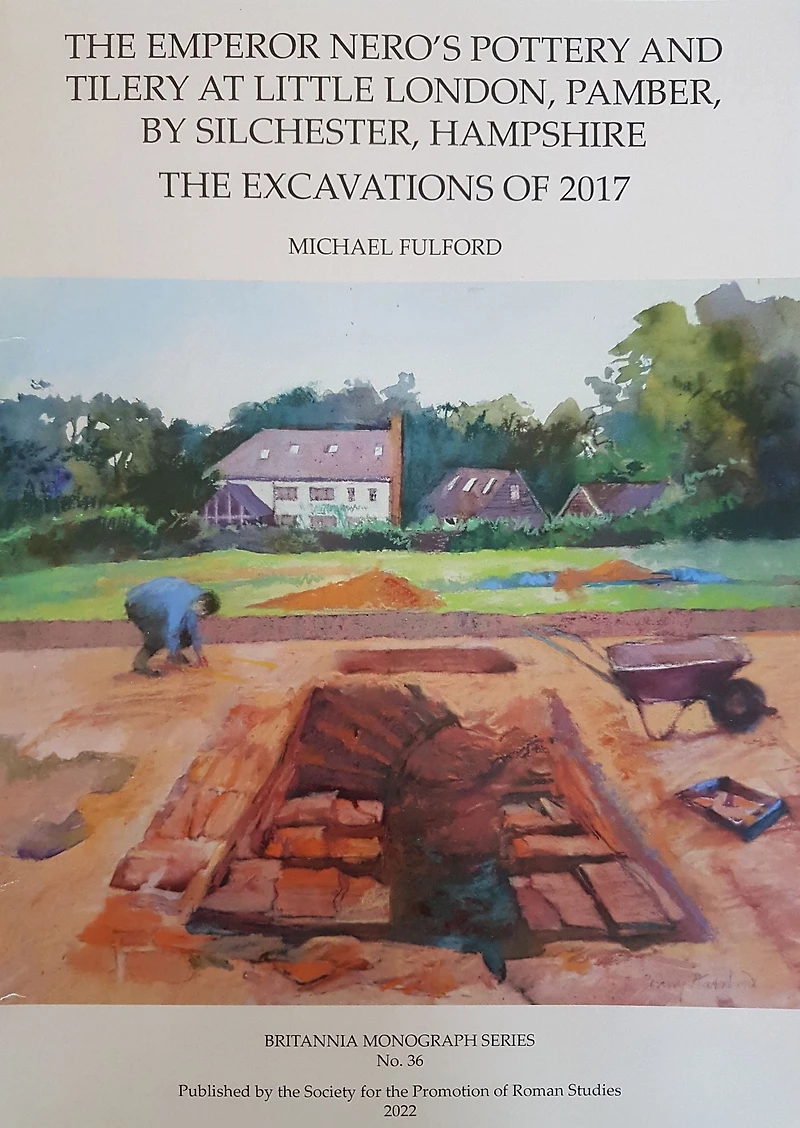
The Emperor Nero's Pottery and Tilery at Little London, Pamber, by Silchester, Hampshire: The Excavations of 2017 in Bloomington, MN
By Barnes & Noble
Current price: $36.00

The Emperor Nero's Pottery and Tilery at Little London, Pamber, by Silchester, Hampshire: The Excavations of 2017 in Bloomington, MN
Current price: $36.00
Loading Inventory...
Size: Paperback
Previously suspected on the basis of a tile stamped with the name and titles of the Emperor Nero found alongside other brick and tile in the ploughsoil, excavation of two tile kilns at Little London near Silchester, Hampshire confirmed production during the reign of Nero. In addition to the manufacture of standard bricks and roofing materials, the kilns produced the more specialist materials required for building bath houses. Work on the fabrics and distinctive, roller-stamped flue-tiles show that products reached a wide variety of destinations between Cirencester, some 100km to the north-west, and Chichester, on the south coast, though Silchester appears to have been the main market and is the only location where Nero-stamped tile has so far been found. A suggestion is made linking the stamped tile to the visit to Britain by the emperor’s trusted freedman, Polyclitus in the aftermath of the Boudican revolt. An unexpected discovery was the ancillary production from at least three pottery kilns of a wide range of pre-Flavian domestic wares, so far only identified in Silchester and its environs. Alongside the publication of the kilns there are illustrated catalogues of the complete range of brick and tile types produced as well as of the pottery. Other reports include analysis of the fuels used and a suite of radiocarbon dates which support the pottery evidence for production ceasing in the early Flavian period. Analysis of the numerous animal foot-impressions on the bricks presents one aspect of the environment of the kilns.
Previously suspected on the basis of a tile stamped with the name and titles of the Emperor Nero found alongside other brick and tile in the ploughsoil, excavation of two tile kilns at Little London near Silchester, Hampshire confirmed production during the reign of Nero. In addition to the manufacture of standard bricks and roofing materials, the kilns produced the more specialist materials required for building bath houses. Work on the fabrics and distinctive, roller-stamped flue-tiles show that products reached a wide variety of destinations between Cirencester, some 100km to the north-west, and Chichester, on the south coast, though Silchester appears to have been the main market and is the only location where Nero-stamped tile has so far been found. A suggestion is made linking the stamped tile to the visit to Britain by the emperor’s trusted freedman, Polyclitus in the aftermath of the Boudican revolt. An unexpected discovery was the ancillary production from at least three pottery kilns of a wide range of pre-Flavian domestic wares, so far only identified in Silchester and its environs. Alongside the publication of the kilns there are illustrated catalogues of the complete range of brick and tile types produced as well as of the pottery. Other reports include analysis of the fuels used and a suite of radiocarbon dates which support the pottery evidence for production ceasing in the early Flavian period. Analysis of the numerous animal foot-impressions on the bricks presents one aspect of the environment of the kilns.
Shop Similar Products












Find at Mall of America® in Bloomington, MN
Visit at Mall of America® in Bloomington, MN