


Home
The Effect of Fluorine-Containing Emissions on Conifers
Barnes and Noble
Loading Inventory...
The Effect of Fluorine-Containing Emissions on Conifers in Bloomington, MN
By Barnes & Noble
Current price: $109.99

The Effect of Fluorine-Containing Emissions on Conifers in Bloomington, MN
Current price: $109.99
Loading Inventory...
Size: Paperback
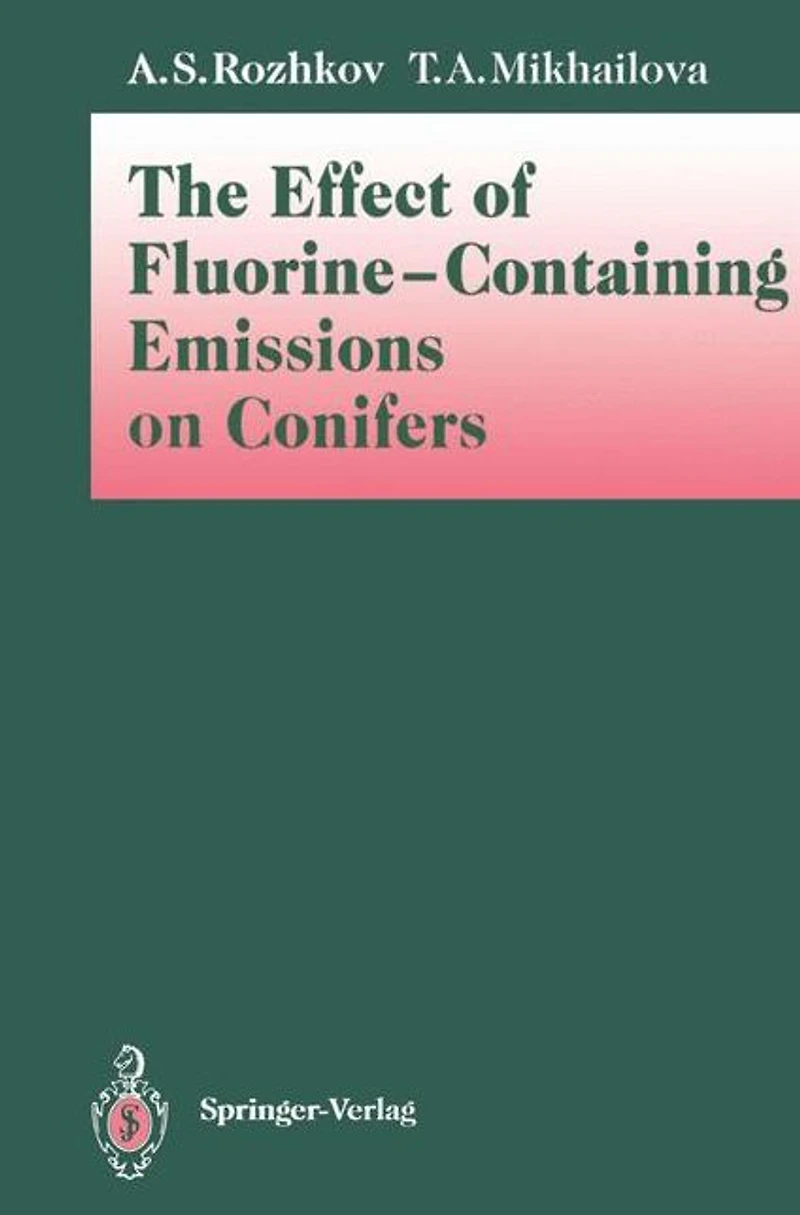
Preservation of nature and the environment has become one of the most important issues of the end of the twentieth century. It has become evident that the methods used for industrial and agricultural production in many countries produce pollutants that cannot undergo natural neutralization by entering the atmosphere, soil or water. Ecosystems that have been developing for centuries are undergoing degradation and what is even more regrettable is that there is an actual threat of profound disorder in the biosphere which could lead to heavy and irreversible changes. Fluorine derivatives are the most aggressive among toxic compounds polluting the atmosphere. Moreover, the percentage of fluorides in industrial emissions is constantly increasing with the bulk of fluorides being emitted by aluminium smelters. Fluorine is poorly detoxified by both plants and animals and the accumulation of even relatively low concentrations over a long period causes a cumulative toxic effect. Among woody plants conifers are less resistant to fluorine. Fluorine derivatives as phytopollutants have been studied less than sulphur compounds, nitrogen oxides, chlorine and hydrogen chloride. It was not until the late 1960s when there was a rapid decline of coniferous forests that researchers directed their attention towards phyto toxic properties of fluorides.
Preservation of nature and the environment has become one of the most important issues of the end of the twentieth century. It has become evident that the methods used for industrial and agricultural production in many countries produce pollutants that cannot undergo natural neutralization by entering the atmosphere, soil or water. Ecosystems that have been developing for centuries are undergoing degradation and what is even more regrettable is that there is an actual threat of profound disorder in the biosphere which could lead to heavy and irreversible changes. Fluorine derivatives are the most aggressive among toxic compounds polluting the atmosphere. Moreover, the percentage of fluorides in industrial emissions is constantly increasing with the bulk of fluorides being emitted by aluminium smelters. Fluorine is poorly detoxified by both plants and animals and the accumulation of even relatively low concentrations over a long period causes a cumulative toxic effect. Among woody plants conifers are less resistant to fluorine. Fluorine derivatives as phytopollutants have been studied less than sulphur compounds, nitrogen oxides, chlorine and hydrogen chloride. It was not until the late 1960s when there was a rapid decline of coniferous forests that researchers directed their attention towards phyto toxic properties of fluorides.
Shop Similar Products













Find at Mall of America® in Bloomington, MN
Visit at Mall of America® in Bloomington, MN