


Home
the Eastern International: Arabs, Central Asians, and Jews Soviet Union's Anticolonial Empire
Barnes and Noble
Loading Inventory...
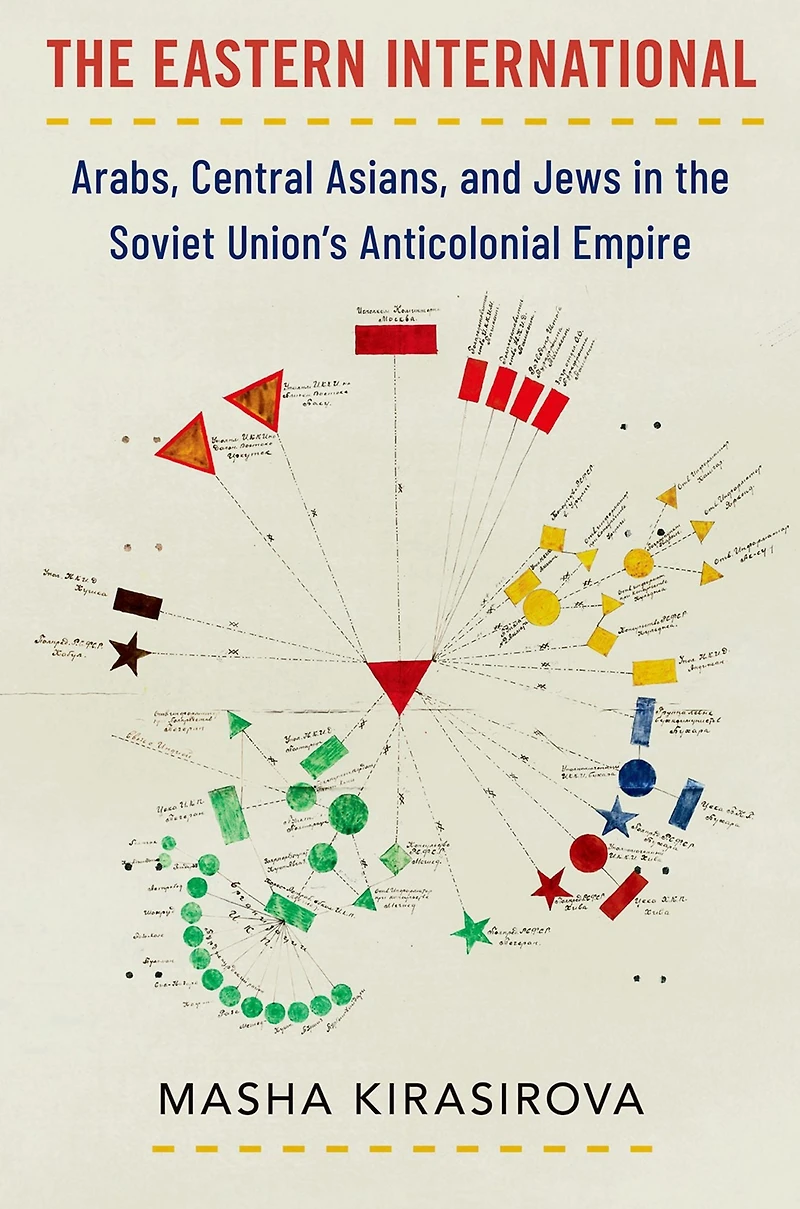
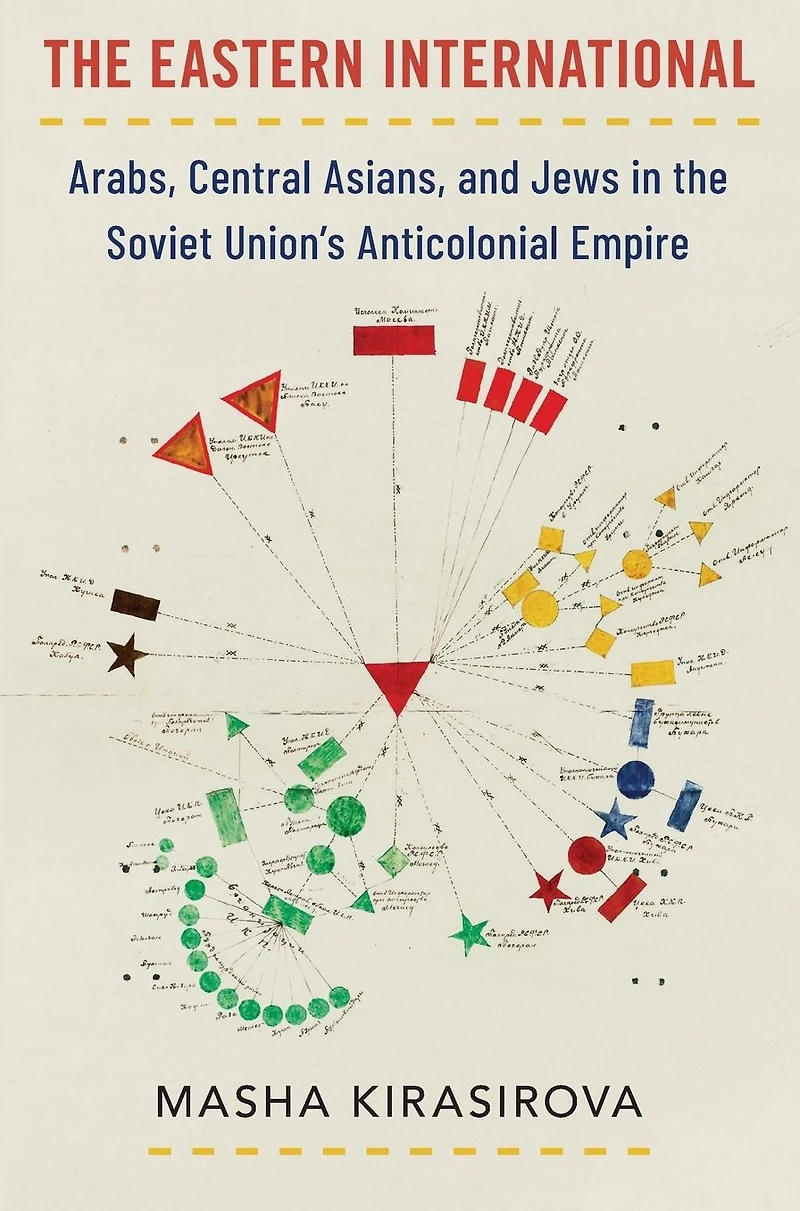
the Eastern International: Arabs, Central Asians, and Jews Soviet Union's Anticolonial Empire in Bloomington, MN
By Barnes & Noble
Current price: $27.99

the Eastern International: Arabs, Central Asians, and Jews Soviet Union's Anticolonial Empire in Bloomington, MN
Current price: $27.99
Loading Inventory...
Size: EBook
In the first few years after the Russian Revolution, an ideological project coalesced to link the development of what Stalin demarcated as the internal "East"primarily Central Asia and the Caucasuswith nation-building, the overthrow of colonialism, and progress toward socialism in the "foreign East"the Third World. Support for anti-colonial movements abroad was part of the Communist Party platform and shaped Soviet foreign policy to varying degrees thereafter. The Eastern International explores how the concept of "the East" was used by the world's first communist state and its mediators to project, channel, and contest power across Eurasia. Masha Kirasirova traces how this policy was conceptualized and carried out by students, comrades, and activistsArab, Jewish, and Central Asian. It drew on their personal motivations and gave them considerable access to state authority and agency to shape Soviet ideology, inform concrete decisions, and allocate resources. Contextualizing these Eastern mediators within a global frame, this book historicizes the circulation of peoples and ideas between the socialist and decolonizing world and reinscribes Soviet history into postcolonial studies and global history.
In the first few years after the Russian Revolution, an ideological project coalesced to link the development of what Stalin demarcated as the internal "East"primarily Central Asia and the Caucasuswith nation-building, the overthrow of colonialism, and progress toward socialism in the "foreign East"the Third World. Support for anti-colonial movements abroad was part of the Communist Party platform and shaped Soviet foreign policy to varying degrees thereafter. The Eastern International explores how the concept of "the East" was used by the world's first communist state and its mediators to project, channel, and contest power across Eurasia. Masha Kirasirova traces how this policy was conceptualized and carried out by students, comrades, and activistsArab, Jewish, and Central Asian. It drew on their personal motivations and gave them considerable access to state authority and agency to shape Soviet ideology, inform concrete decisions, and allocate resources. Contextualizing these Eastern mediators within a global frame, this book historicizes the circulation of peoples and ideas between the socialist and decolonizing world and reinscribes Soviet history into postcolonial studies and global history.
Shop Similar Products









Find at Mall of America® in Bloomington, MN
Visit at Mall of America® in Bloomington, MN