


Home
the Early Modern Global South Print: Textual Form and Production of Human Difference as Knowledge
Barnes and Noble
Loading Inventory...
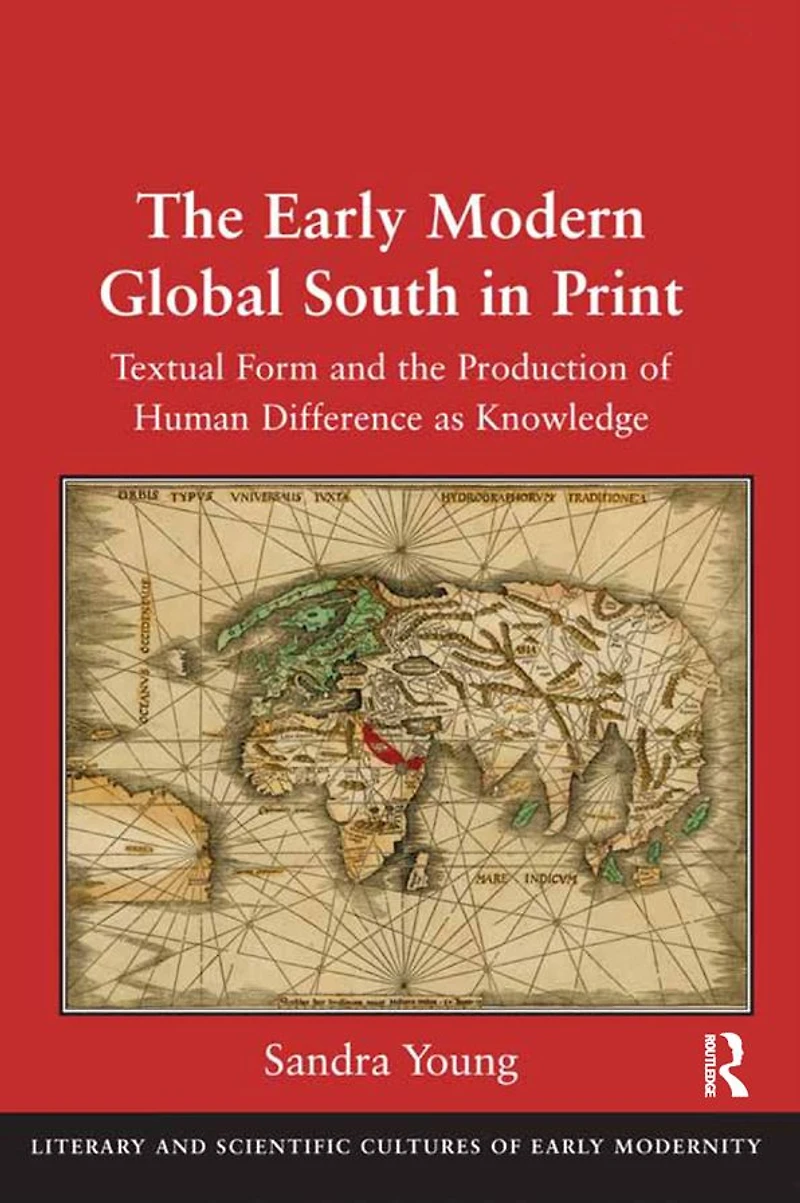
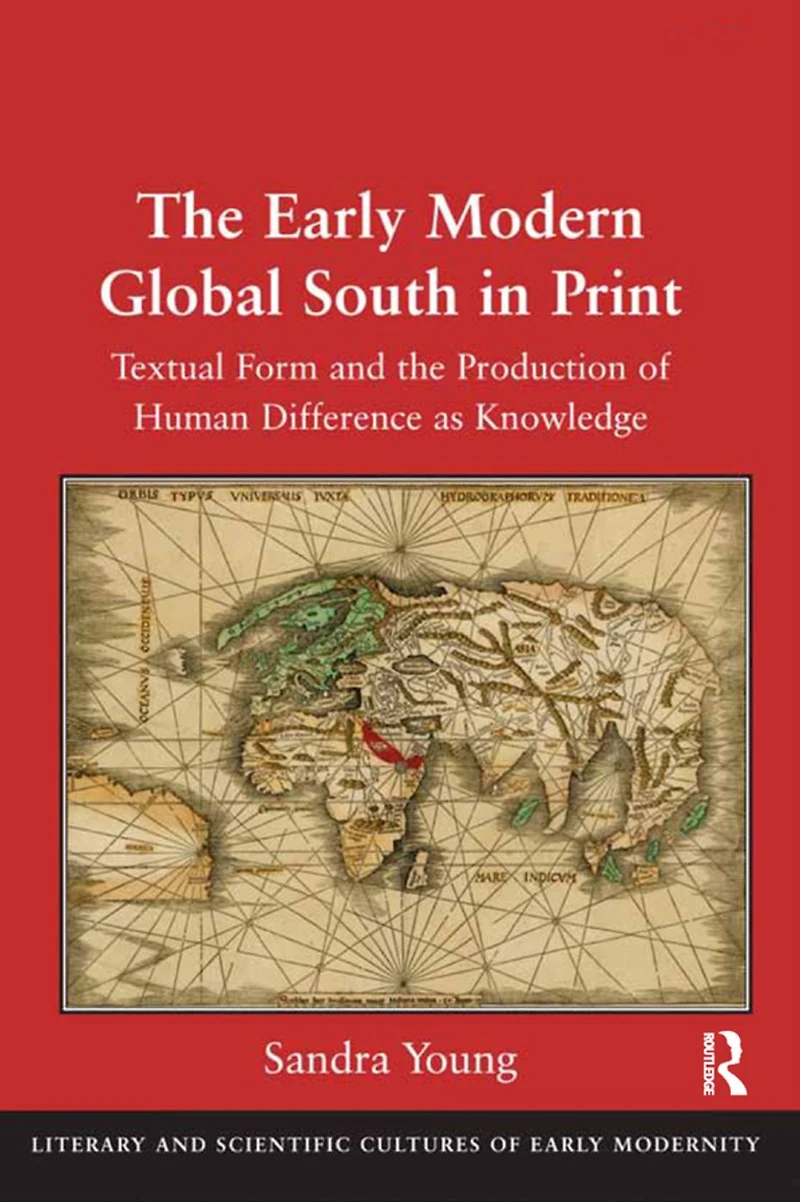
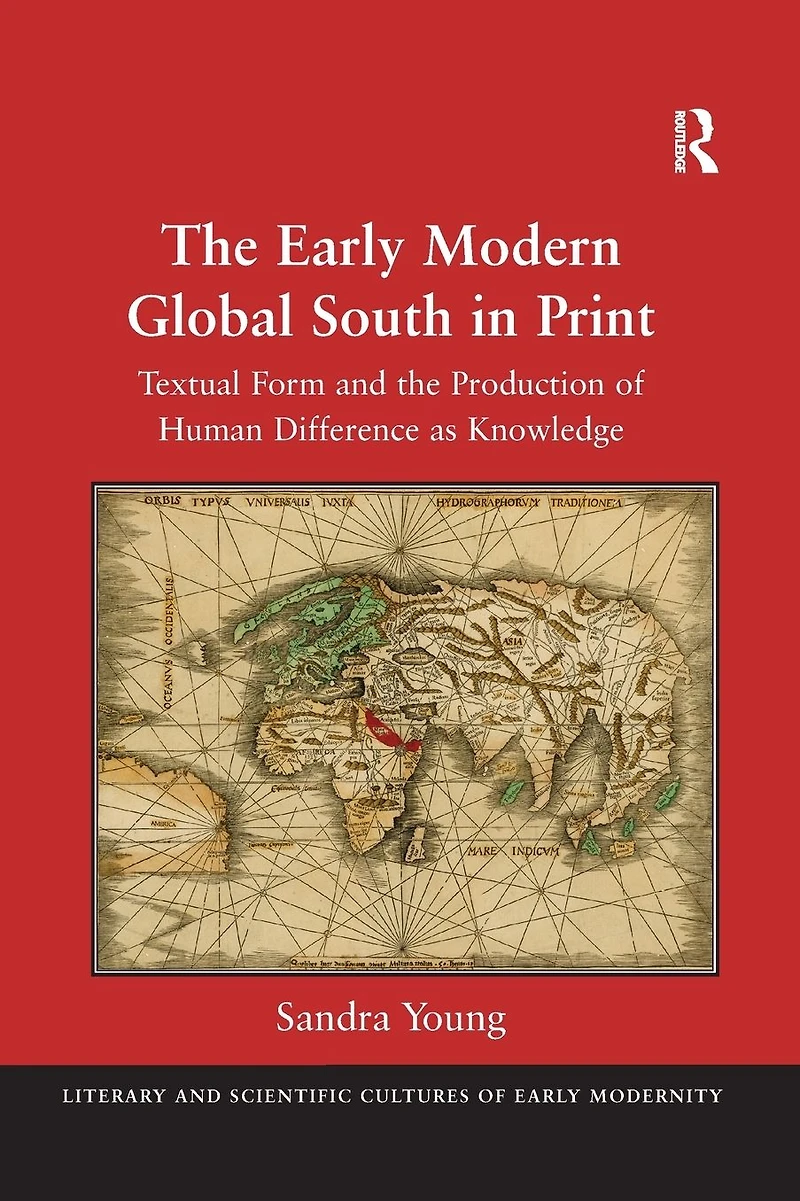
the Early Modern Global South Print: Textual Form and Production of Human Difference as Knowledge in Bloomington, MN
By Barnes & Noble
Current price: $72.99

the Early Modern Global South Print: Textual Form and Production of Human Difference as Knowledge in Bloomington, MN
Current price: $72.99
Loading Inventory...
Size: EBook
Early modern geographers and compilers of travel narratives drew on a lexicon derived from cartography’s seemingly unchanging coordinates to explain human diversity. Sandra Young’s inquiry into the partisan knowledge practices of early modernity brings to light the emergence of the early modern global south. Young proposes a new set of terms with which to understand the racialized imaginary inscribed in the scholarly texts that presented the peoples of the south as objects of an inquiring gaze from the north. Through maps, images and even textual formatting, equivalences were established between ’new’ worlds, many of them long known to European explorers, she argues, in terms that made explicit the divide between ’north’ and ’south.’ This book takes seriously the role of form in shaping meaning and its ideological consequences. Young examines, in turn, the representational methodologies, or ’artes,’ deployed in mapping the ’whole’ world: illustrating, creating charts for navigation, noting down observations, collecting and cataloguing curiosities, reporting events, formatting materials, and editing and translating old sources. By tracking these methodologies in the lines of beauty and evidence on the page, we can see how early modern producers of knowledge were able to attribute alterity to the ’southern climes’ of an increasingly complex world, while securing their own place within it.
Early modern geographers and compilers of travel narratives drew on a lexicon derived from cartography’s seemingly unchanging coordinates to explain human diversity. Sandra Young’s inquiry into the partisan knowledge practices of early modernity brings to light the emergence of the early modern global south. Young proposes a new set of terms with which to understand the racialized imaginary inscribed in the scholarly texts that presented the peoples of the south as objects of an inquiring gaze from the north. Through maps, images and even textual formatting, equivalences were established between ’new’ worlds, many of them long known to European explorers, she argues, in terms that made explicit the divide between ’north’ and ’south.’ This book takes seriously the role of form in shaping meaning and its ideological consequences. Young examines, in turn, the representational methodologies, or ’artes,’ deployed in mapping the ’whole’ world: illustrating, creating charts for navigation, noting down observations, collecting and cataloguing curiosities, reporting events, formatting materials, and editing and translating old sources. By tracking these methodologies in the lines of beauty and evidence on the page, we can see how early modern producers of knowledge were able to attribute alterity to the ’southern climes’ of an increasingly complex world, while securing their own place within it.
Shop Similar Products








Find at Mall of America® in Bloomington, MN
Visit at Mall of America® in Bloomington, MN