


Home
the Domestic Sources of International Institutions: Making up Rules
Barnes and Noble
Loading Inventory...
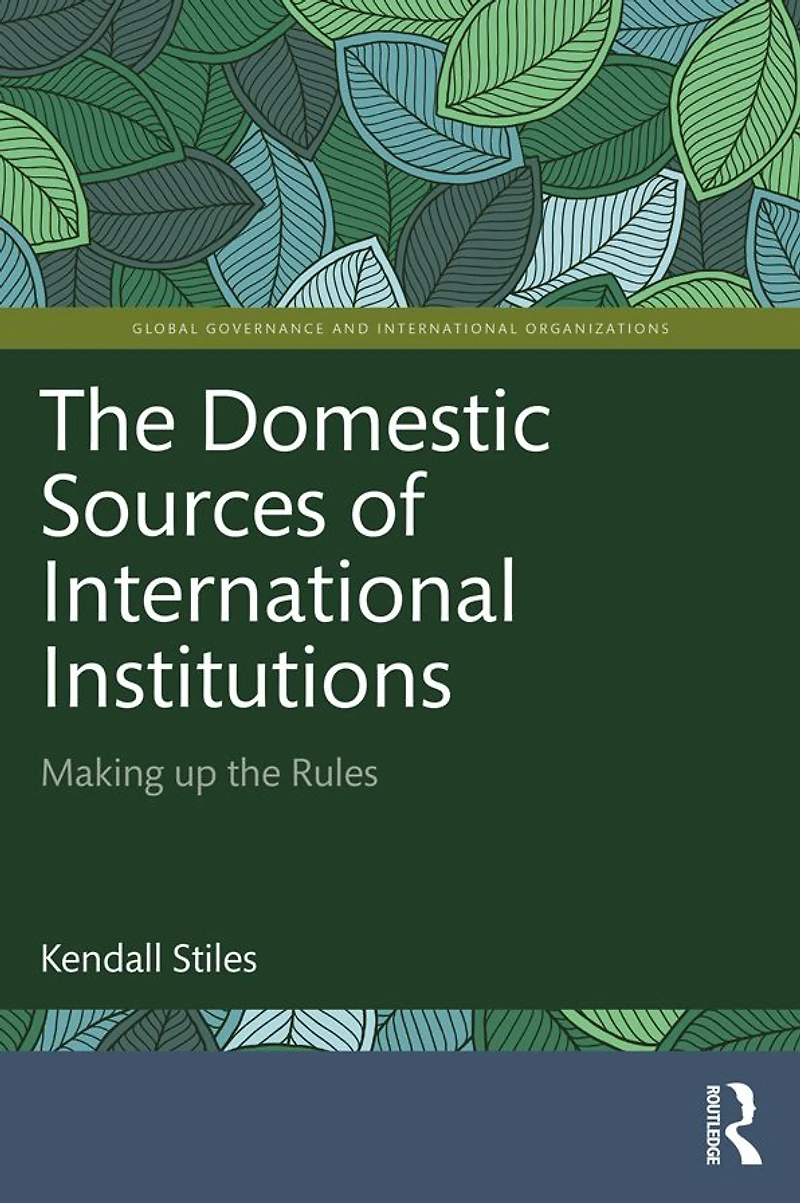
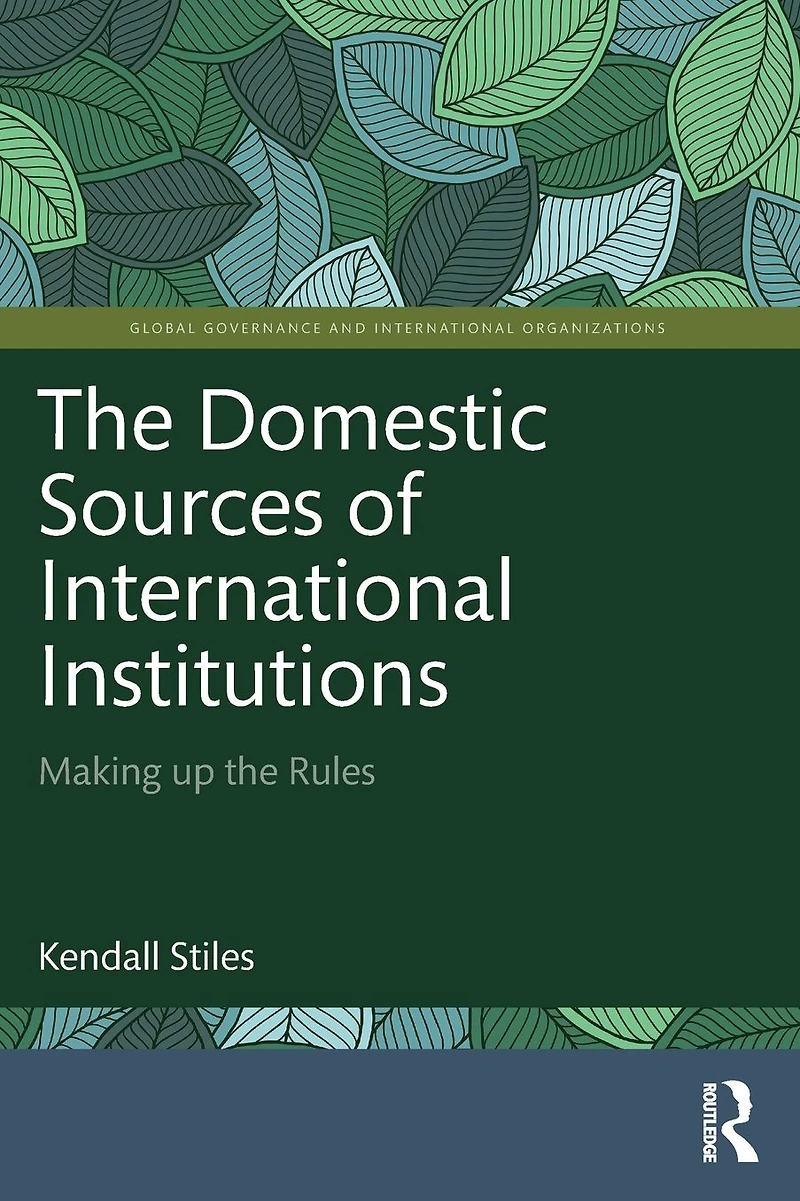
the Domestic Sources of International Institutions: Making up Rules in Bloomington, MN
By Barnes & Noble
Current price: $57.99

the Domestic Sources of International Institutions: Making up Rules in Bloomington, MN
Current price: $57.99
Loading Inventory...
Size: EBook
This book explores a new way of thinking about diplomacy, warfare, trade, and collective goods that begins with the notion that key international actors project their domestic institutions onto the regional or global arena. Exploring the emergence, consolidation, and decay of international norms, the author puts forward a general argument designed to identify patterns across time and space, combining key insights from constructivist, liberal, classical realist, English School, and feminist thinking. By moving from institution to institution, each chapter presents a coherent story ranging from antiquity to the contemporary world allowing us to see not only the patterns, but also to begin to develop conjectures about other causal stories implicit in the narrative. The book will be used by scholars and students of international relations, international organization and law, security studies, political economy, historical sociology, regionalism, and a wide range of specific topics such as arms control, trade, migration, identity, and collective goods.
This book explores a new way of thinking about diplomacy, warfare, trade, and collective goods that begins with the notion that key international actors project their domestic institutions onto the regional or global arena. Exploring the emergence, consolidation, and decay of international norms, the author puts forward a general argument designed to identify patterns across time and space, combining key insights from constructivist, liberal, classical realist, English School, and feminist thinking. By moving from institution to institution, each chapter presents a coherent story ranging from antiquity to the contemporary world allowing us to see not only the patterns, but also to begin to develop conjectures about other causal stories implicit in the narrative. The book will be used by scholars and students of international relations, international organization and law, security studies, political economy, historical sociology, regionalism, and a wide range of specific topics such as arms control, trade, migration, identity, and collective goods.
Shop Similar Products










Find at Mall of America® in Bloomington, MN
Visit at Mall of America® in Bloomington, MN