


Home
the Deep Roots of Modern Democracy: Geography and Diffusion Political Institutions
Barnes and Noble
Loading Inventory...
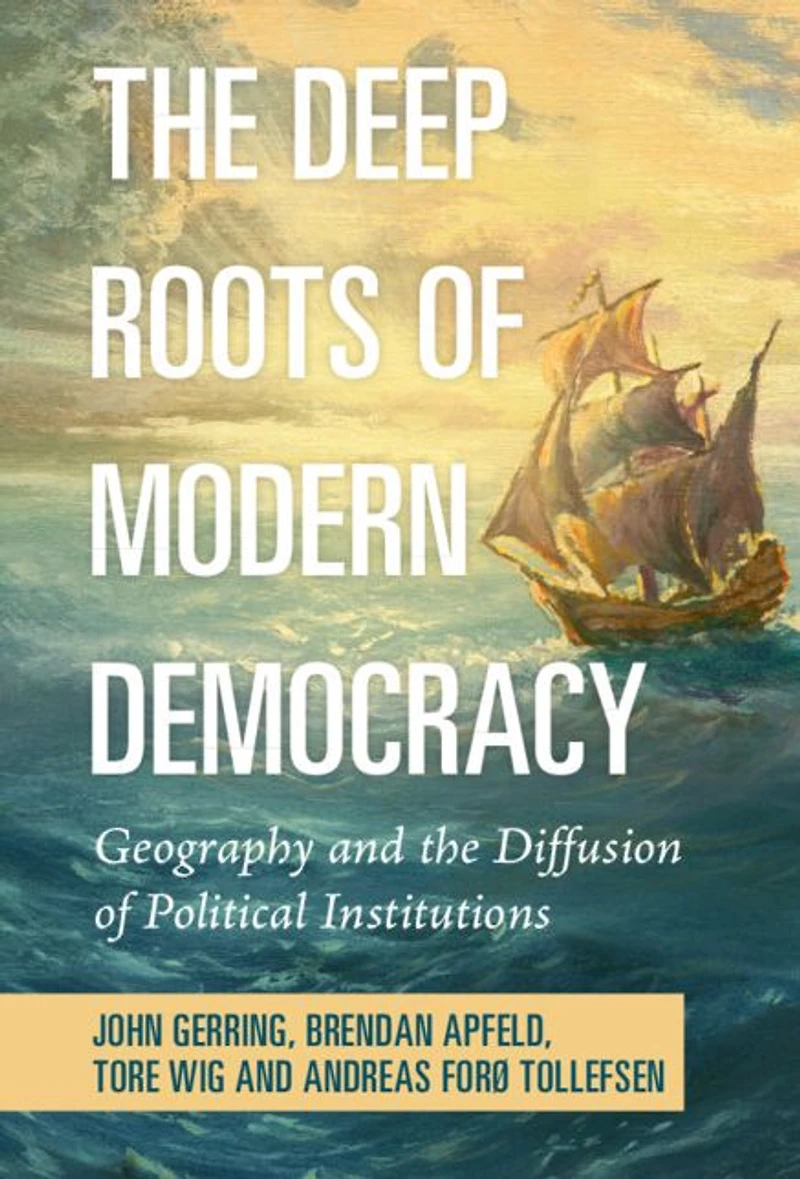

the Deep Roots of Modern Democracy: Geography and Diffusion Political Institutions in Bloomington, MN
By Barnes & Noble
Current price: $44.00

the Deep Roots of Modern Democracy: Geography and Diffusion Political Institutions in Bloomington, MN
Current price: $44.00
Loading Inventory...
Size: EBook
This book explores the deep roots of modern democracy, focusing on geography and long-term patterns of global diffusion. Its geographic argument centers on access to the sea, afforded by natural harbors which enhance the mobility of people, goods, capital, and ideas. The extraordinary connectivity of harbor regions thereby affected economic development, the structure of the military, statebuilding, and openness to the world – and, through these pathways, the development of representative democracy. The authors' second argument focuses on the global diffusion of representative democracy. Beginning around 1500, Europeans started to populate distant places abroad. Where Europeans were numerous they established some form of representative democracy, often with restrictions limiting suffrage to those of European heritage. Where they were in the minority, Europeans were more reticent about popular rule and often actively resisted democratization. Where Europeans were entirely absent, the concept of representative democracy was unfamiliar and its practice undeveloped.
This book explores the deep roots of modern democracy, focusing on geography and long-term patterns of global diffusion. Its geographic argument centers on access to the sea, afforded by natural harbors which enhance the mobility of people, goods, capital, and ideas. The extraordinary connectivity of harbor regions thereby affected economic development, the structure of the military, statebuilding, and openness to the world – and, through these pathways, the development of representative democracy. The authors' second argument focuses on the global diffusion of representative democracy. Beginning around 1500, Europeans started to populate distant places abroad. Where Europeans were numerous they established some form of representative democracy, often with restrictions limiting suffrage to those of European heritage. Where they were in the minority, Europeans were more reticent about popular rule and often actively resisted democratization. Where Europeans were entirely absent, the concept of representative democracy was unfamiliar and its practice undeveloped.
Shop Similar Products
















Find at Mall of America® in Bloomington, MN
Visit at Mall of America® in Bloomington, MN