


Home
the Daeva Cult Gathas: An Ideological Archaeology of Zoroastrianism
Barnes and Noble
Loading Inventory...
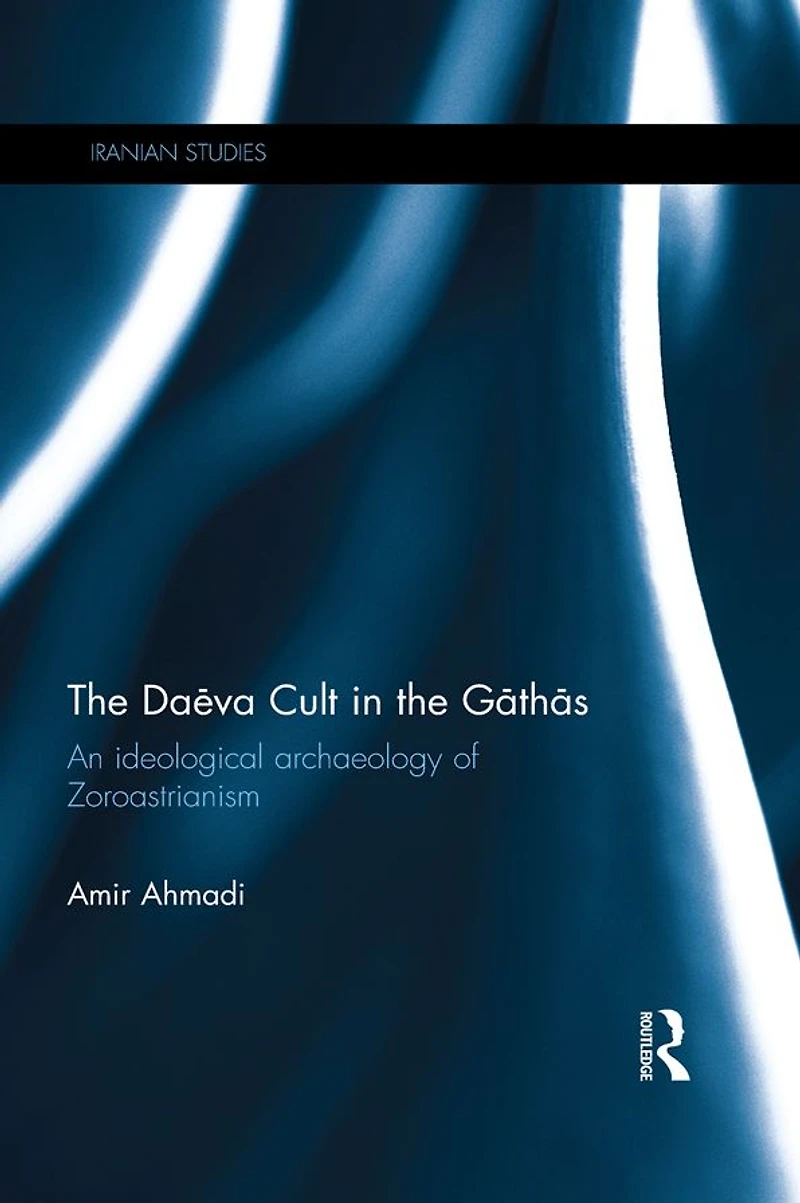
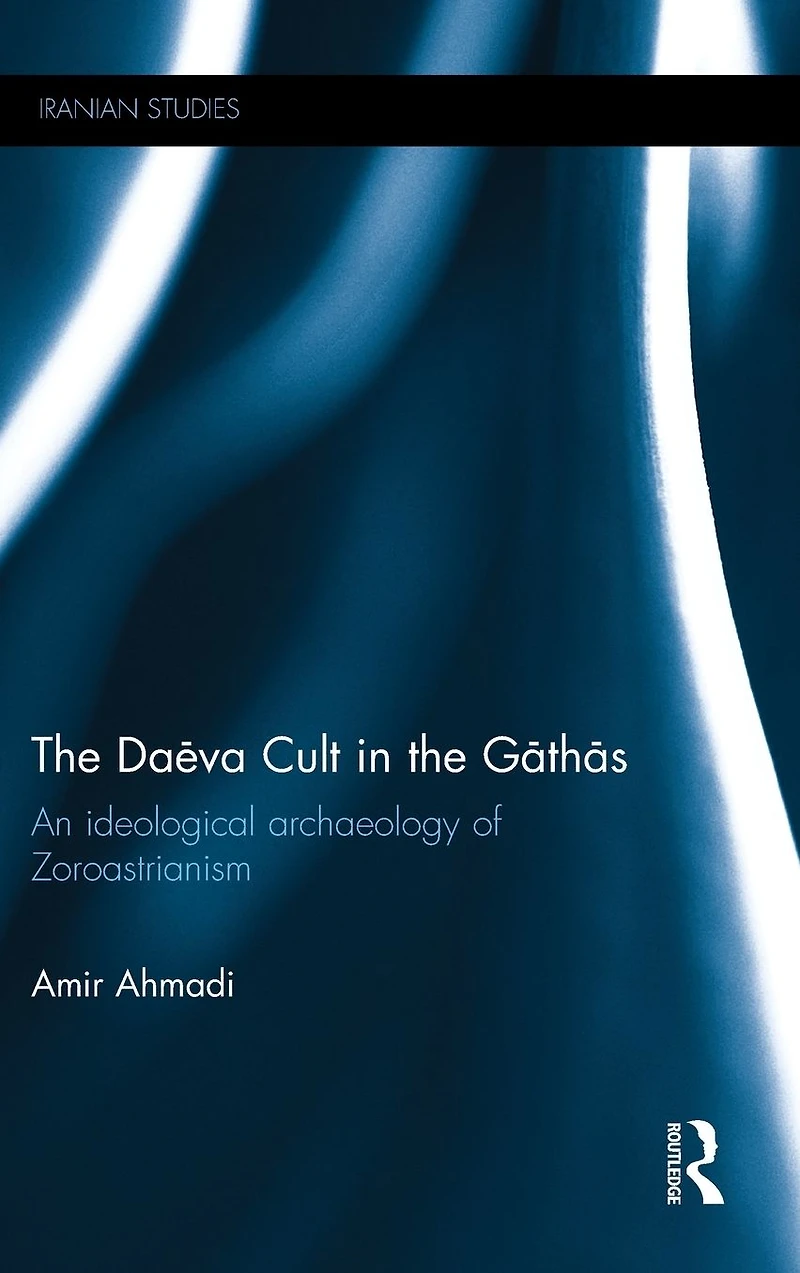
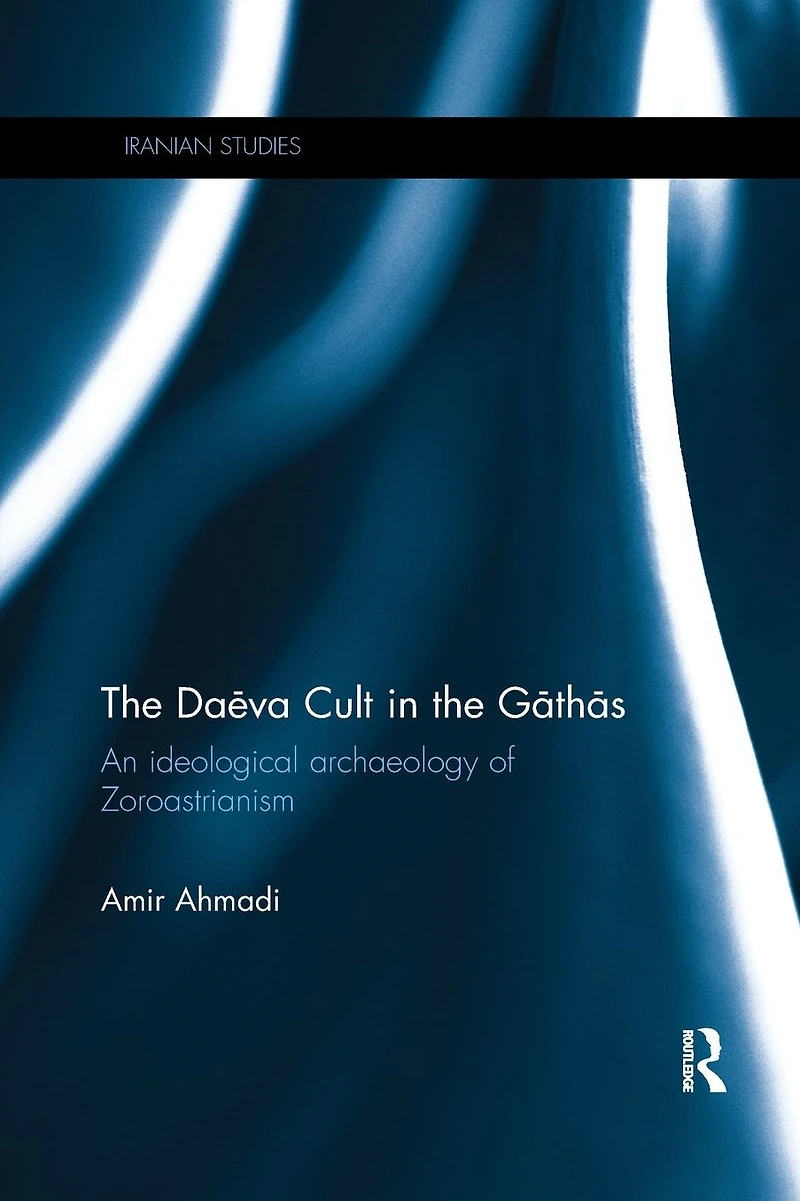
the Daeva Cult Gathas: An Ideological Archaeology of Zoroastrianism in Bloomington, MN
By Barnes & Noble
Current price: $62.99

the Daeva Cult Gathas: An Ideological Archaeology of Zoroastrianism in Bloomington, MN
Current price: $62.99
Loading Inventory...
Size: EBook
Addressing the question of the origins of the Zoroastrian religion, this book argues that the intransigent opposition to the cult of the daēvas, the ancient Indo-Iranian gods, is the root of the development of the two central doctrines of Zoroastrianism: cosmic dualism and eschatology (fate of the soul after death and its passage to the other world). The daēva cult as it appears in the Gāthās, the oldest part of the Zoroastrian sacred text, the Avesta, had eschatological pretentions. The poet of the Gāthās condemns these as deception. The book critically examines various theories put forward since the 19th century to account for the condemnation of the daēvas. It then turns to the relevant Gāthic passages and analyzes them in detail in order to give a picture of the cult and the reasons for its repudiation. Finally, it examines materials from other sources, especially the Greek accounts of Iranian ritual lore (mainly) in the context of the mystery cults. Classical Greek writers consistently associate the nocturnal ceremony of the magi with the mysteries as belonging to the same religious-cultural category. This shows that Iranian religious lore included a nocturnal rite that aimed at ensuring the soul’s journey to the beyond and a desirable afterlife.Challenging the prevalent scholarship of the Greek interpretation of Iranian religious lore and proposing a new analysis of the formation of the Hellenistic concept of ‘magic,’ this book is an important resource for students and scholars of History, Religion and Iranian Studies.
Addressing the question of the origins of the Zoroastrian religion, this book argues that the intransigent opposition to the cult of the daēvas, the ancient Indo-Iranian gods, is the root of the development of the two central doctrines of Zoroastrianism: cosmic dualism and eschatology (fate of the soul after death and its passage to the other world). The daēva cult as it appears in the Gāthās, the oldest part of the Zoroastrian sacred text, the Avesta, had eschatological pretentions. The poet of the Gāthās condemns these as deception. The book critically examines various theories put forward since the 19th century to account for the condemnation of the daēvas. It then turns to the relevant Gāthic passages and analyzes them in detail in order to give a picture of the cult and the reasons for its repudiation. Finally, it examines materials from other sources, especially the Greek accounts of Iranian ritual lore (mainly) in the context of the mystery cults. Classical Greek writers consistently associate the nocturnal ceremony of the magi with the mysteries as belonging to the same religious-cultural category. This shows that Iranian religious lore included a nocturnal rite that aimed at ensuring the soul’s journey to the beyond and a desirable afterlife.Challenging the prevalent scholarship of the Greek interpretation of Iranian religious lore and proposing a new analysis of the formation of the Hellenistic concept of ‘magic,’ this book is an important resource for students and scholars of History, Religion and Iranian Studies.
Shop Similar Products










Find at Mall of America® in Bloomington, MN
Visit at Mall of America® in Bloomington, MN