


Home
The Chain of Representation: Preferences, Institutions, and Policy across Presidential Systems
Barnes and Noble
Loading Inventory...
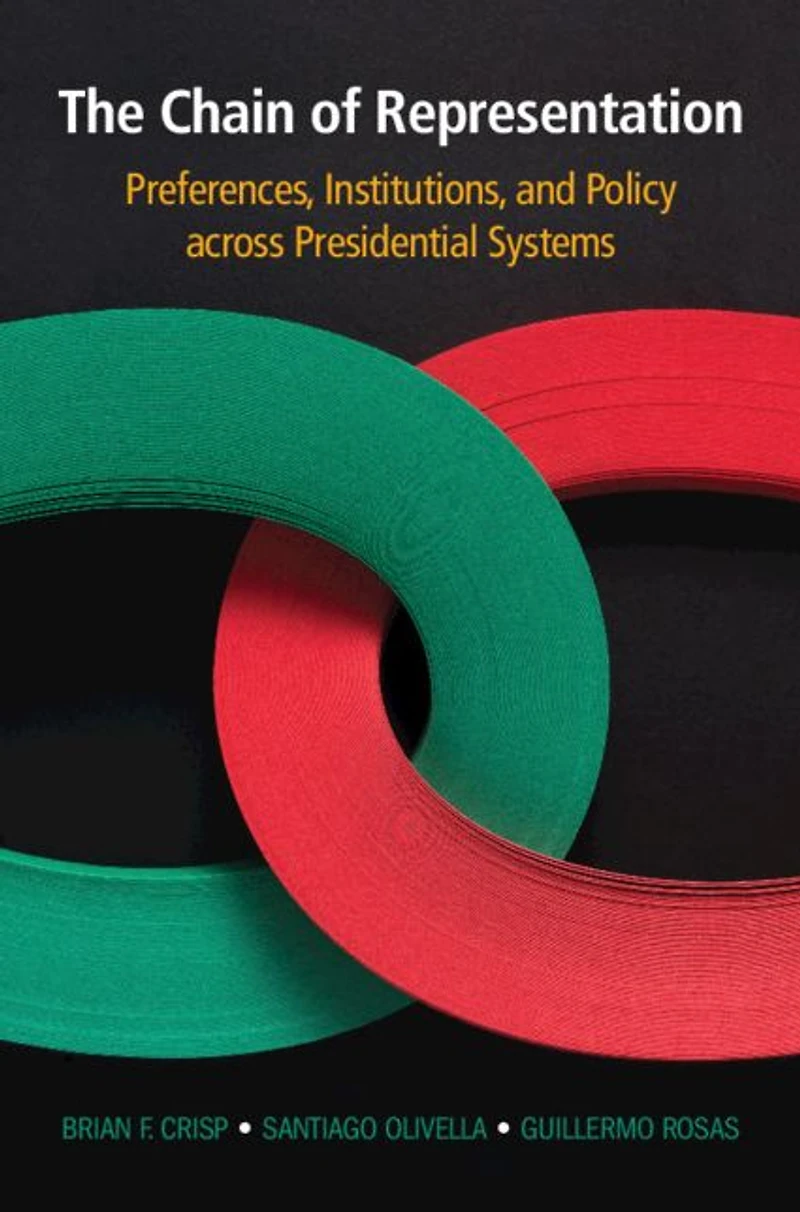
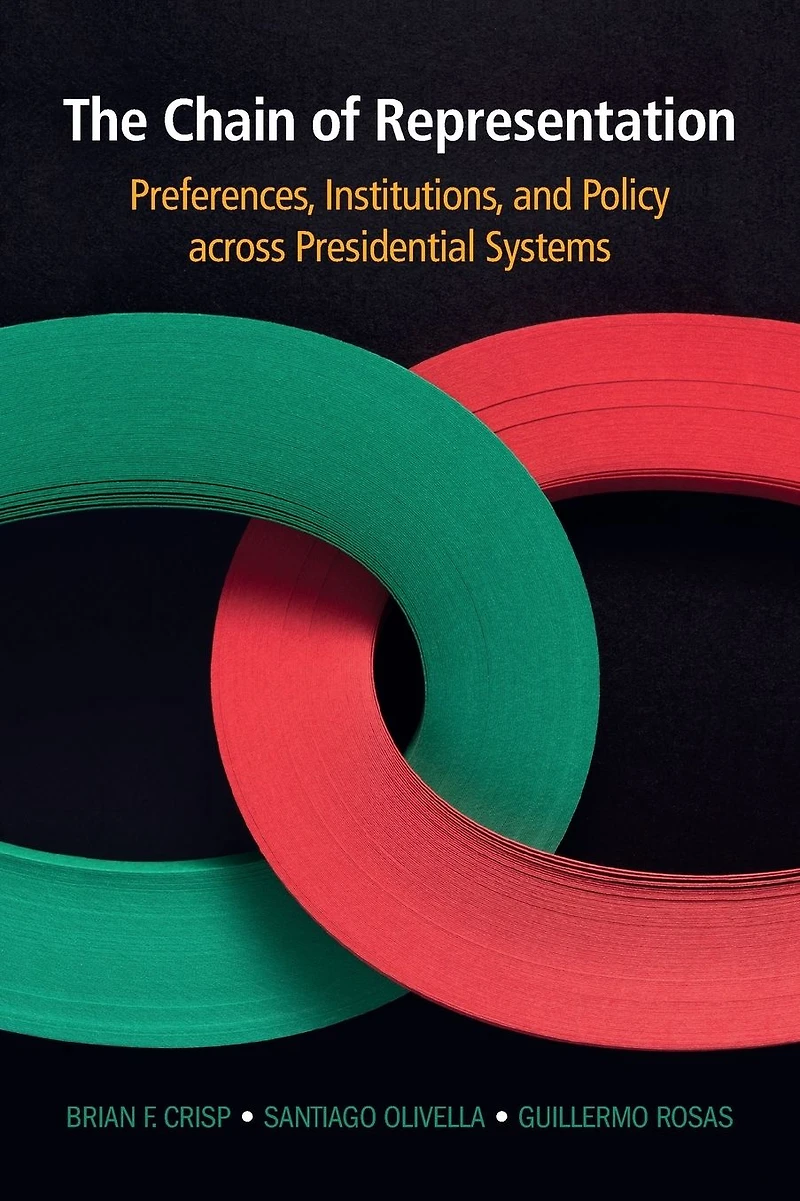
The Chain of Representation: Preferences, Institutions, and Policy across Presidential Systems in Bloomington, MN
By Barnes & Noble
Current price: $53.00

The Chain of Representation: Preferences, Institutions, and Policy across Presidential Systems in Bloomington, MN
Current price: $53.00
Loading Inventory...
Size: EBook
How do formal institutions affect the extent to which democracies adopt policies that reflect the preferences of their citizens? Based on a chain of representation model in which electoral rules and policy-making powers link citizens, politicians, and policies, this book reveals the conditions under which citizen preferences and implemented policies diverge. Comparative quantitative analyses encompassing eighteen Latin American countries show that presidential democracies vary greatly in the degree to which they demonstrate responsiveness to their electorates. Often, individual presidents with strong legislative powers have prompted policy changes that are unrepresentative of voter preferences. Other times, their interactions with legislatures result in more representative policies. Grounded in clear theory and thorough empirics, this study shows how rules can introduce dissonance between voters and politicians, but also how they can potentially reduce it. This is an excellent resource for scholars and graduate students interested in comparative politics, institutional design, economic policy, and Latin American studies.
How do formal institutions affect the extent to which democracies adopt policies that reflect the preferences of their citizens? Based on a chain of representation model in which electoral rules and policy-making powers link citizens, politicians, and policies, this book reveals the conditions under which citizen preferences and implemented policies diverge. Comparative quantitative analyses encompassing eighteen Latin American countries show that presidential democracies vary greatly in the degree to which they demonstrate responsiveness to their electorates. Often, individual presidents with strong legislative powers have prompted policy changes that are unrepresentative of voter preferences. Other times, their interactions with legislatures result in more representative policies. Grounded in clear theory and thorough empirics, this study shows how rules can introduce dissonance between voters and politicians, but also how they can potentially reduce it. This is an excellent resource for scholars and graduate students interested in comparative politics, institutional design, economic policy, and Latin American studies.
Shop Similar Products













Find at Mall of America® in Bloomington, MN
Visit at Mall of America® in Bloomington, MN