


Home
The Centennial Cure: Commemoration, Identity, and Cultural Capital in Nova Scotia during Canada's 1967 Centennial Celebrations
Barnes and Noble
Loading Inventory...
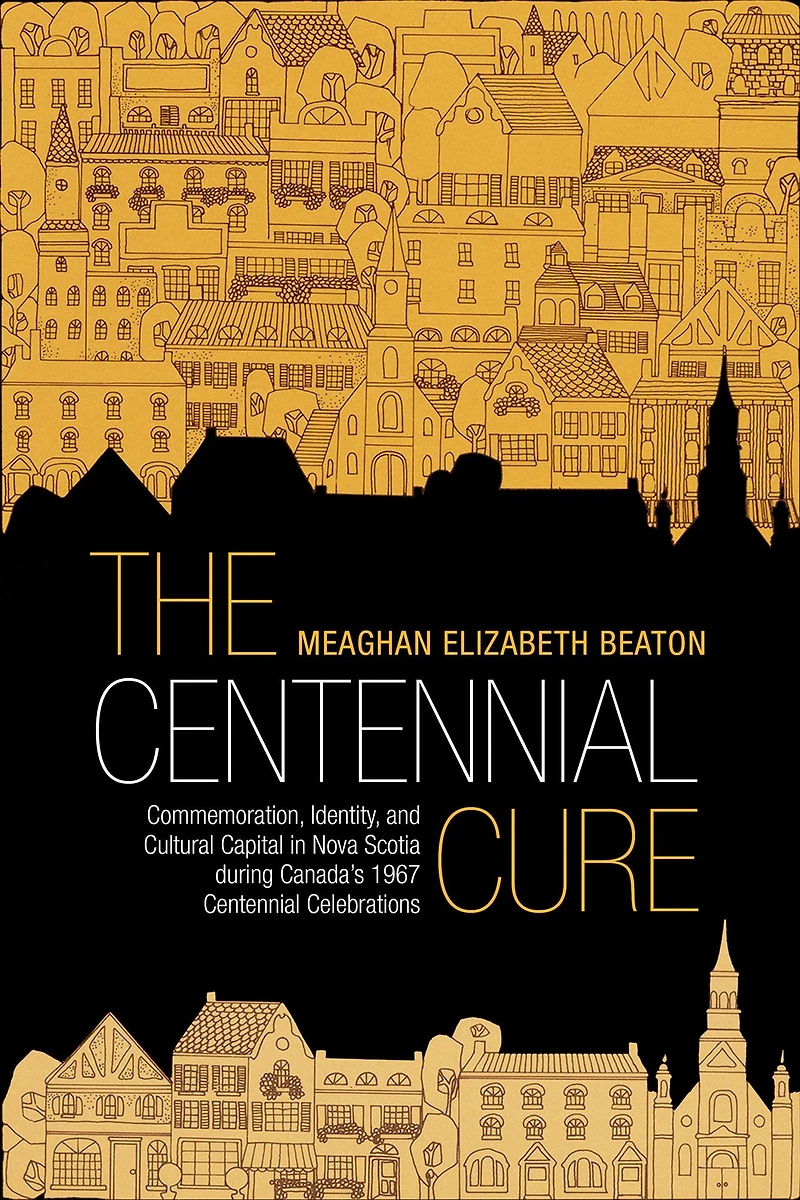
The Centennial Cure: Commemoration, Identity, and Cultural Capital in Nova Scotia during Canada's 1967 Centennial Celebrations in Bloomington, MN
By Barnes & Noble
Current price: $38.95

The Centennial Cure: Commemoration, Identity, and Cultural Capital in Nova Scotia during Canada's 1967 Centennial Celebrations in Bloomington, MN
Current price: $38.95
Loading Inventory...
Size: EBook
In The Centennial Cure, the second volume in the Studies in Atlantic Canada History series, Meaghan Elizabeth Beaton critically examines the intersection of state policy, cultural development, and commemoration in Nova Scotia during Canada’s centennial celebrations. Beaton’s engaging and insightful analysis of four case studies– the establishment of the Cape Breton Miners’ Museum, the construction of Halifax’s Centennial Swimming Pool, the Community Improvement Program, and the 1967 Nova Scotia Highland Games and Folk Festival–reveals the province’s attempts to reimagine and renew public spaces. Through these case studies Beaton illuminates the myriad ways in which Nova Scotians saw themselves, in the context of modernity and ethnic identity, during the post-war years. The successes and failures of these infrastructure and cultural projects, intended to foster and develop cultural capital, reflected the socio-economic realities and dreams of local communities. The Centennial Cure shifts our focus away from the dominant studies on Expo’67 to provide a nuanced and tension filled account of how Canada’s 1967 centennial celebrations were experienced in other parts of Canada.
In The Centennial Cure, the second volume in the Studies in Atlantic Canada History series, Meaghan Elizabeth Beaton critically examines the intersection of state policy, cultural development, and commemoration in Nova Scotia during Canada’s centennial celebrations. Beaton’s engaging and insightful analysis of four case studies– the establishment of the Cape Breton Miners’ Museum, the construction of Halifax’s Centennial Swimming Pool, the Community Improvement Program, and the 1967 Nova Scotia Highland Games and Folk Festival–reveals the province’s attempts to reimagine and renew public spaces. Through these case studies Beaton illuminates the myriad ways in which Nova Scotians saw themselves, in the context of modernity and ethnic identity, during the post-war years. The successes and failures of these infrastructure and cultural projects, intended to foster and develop cultural capital, reflected the socio-economic realities and dreams of local communities. The Centennial Cure shifts our focus away from the dominant studies on Expo’67 to provide a nuanced and tension filled account of how Canada’s 1967 centennial celebrations were experienced in other parts of Canada.
Shop Similar Products














Find at Mall of America® in Bloomington, MN
Visit at Mall of America® in Bloomington, MN