


Home
THE CANDIDATE
Barnes and Noble
Loading Inventory...
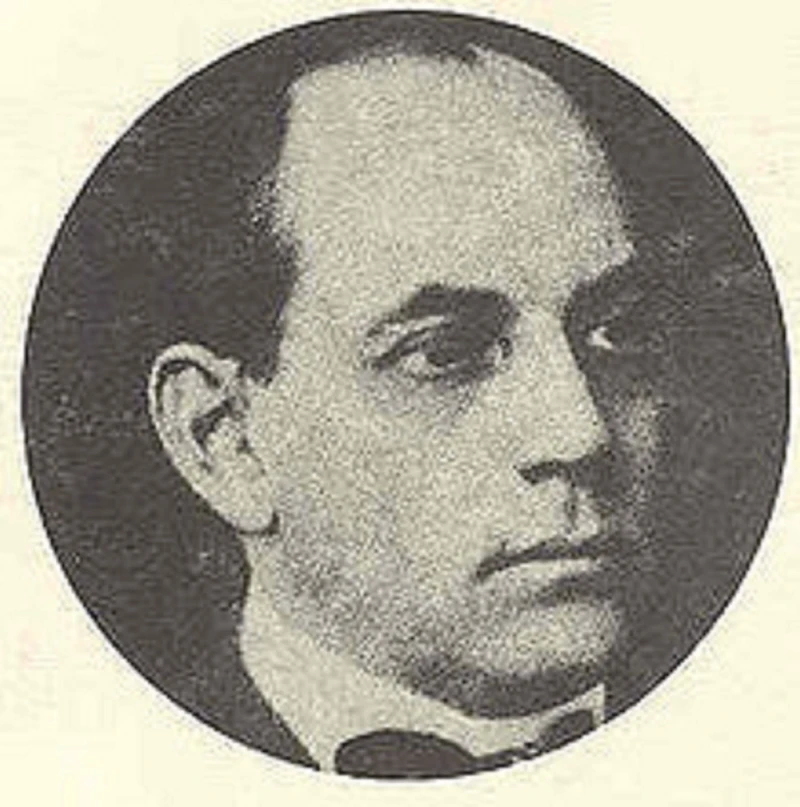
THE CANDIDATE in Bloomington, MN
By Barnes & Noble
Current price: $0.99

THE CANDIDATE in Bloomington, MN
Current price: $0.99
Loading Inventory...
Size: EBook
ITHE NOMINEEThe huge convention-hall still rang with the thunders of applause, andmost of the delegates were on their feet shouting or waving their hats,when Harley slipped from his desk and made his way quietly to the littleside-door leading from the stage. It was all over now but the noise;after a long and desperate fight Grayson, a young lawyer, with littlemore than a local reputation, had been nominated by his party for thePresidency of the United States, and Harley, alert, eager, and fond ofdramatic effects, intended to be the first who should tell him thesurprising fact.He paused a moment, with his hand on the door, and, looking out upon thehall with its multitude of hot, excited faces, ran quickly over theevents of the last three or four days. Ten thousand people had satthere, hour after hour, waiting for the result, and now the result hadcome. The rival parties had entered their conventions, full of doubt andapprehension. There was a singular dearth of great men; the old oneswere all dead or disabled, and the new ones had not appeared; the nationwas conscious, too, of a new feeling, and all were bound to recognizeit; the sense of dependency upon the Old World in certain matters whichapplied to the mental state rather than anything material was almostgone; the democracy had grown more democratic and the republic was morerepublican; within the nation itself the West was taking a greaterprominence, and the East did not begrudge it. It was felt by everybodyin either party that it would be wiser to nominate a Western man, and,the first having done so, the second, as all knew it must, now followedthe good example.Moreover, both conventions had nominated "dark horses," but the secondnominee was the "darker" of the two. James Madison Grayson,affectionately called Jimmy Grayson by his neighbors and admirers, wasquite young, without a gray hair in his head, tall, powerfully built,smooth-shaven, and with honest eyes that gazed straight into yours. Hewas known as a brave man, with fine oratorical powers and a winningpersonality, but he had come to the convention merely as a delegate, andwithout any thought of securing the nomination for himself. Not a singlevote had been instructed for him, but in that lay his opportunity. Allthe conspicuous candidates were weak; good men in themselves, a solidpolitical objection could be raised against every one of them, and for awhile the voting was scattered and desultory. Then Grayson began toattract attention; as a delegate he had spoken two or three times,always briefly, but with grace and to the point, and the people wereglad both to see him and to hear him.At last a far-sighted old man from the same state knew that the momenthad come when the convention, staggering about in the dark, could beled easily along any road that seemed the path of light. He mentionedthe name of Grayson, putting it forward mildly as a suggestion that hewould withdraw at the first opposition, but his very mildness warded offattack. Received rather lightly at first, the suggestion soon made astrong appeal to the delegates. Nothing could be urged against Grayson;he was quite young, it was true, but youth was needed to make a greatcampaign--the odds were heavily in favor of the other party. Nor werethere lacking those who, expecting defeat, said that a young man couldbear it better than an old one, and a beating now might train him for avictory four years hence.
ITHE NOMINEEThe huge convention-hall still rang with the thunders of applause, andmost of the delegates were on their feet shouting or waving their hats,when Harley slipped from his desk and made his way quietly to the littleside-door leading from the stage. It was all over now but the noise;after a long and desperate fight Grayson, a young lawyer, with littlemore than a local reputation, had been nominated by his party for thePresidency of the United States, and Harley, alert, eager, and fond ofdramatic effects, intended to be the first who should tell him thesurprising fact.He paused a moment, with his hand on the door, and, looking out upon thehall with its multitude of hot, excited faces, ran quickly over theevents of the last three or four days. Ten thousand people had satthere, hour after hour, waiting for the result, and now the result hadcome. The rival parties had entered their conventions, full of doubt andapprehension. There was a singular dearth of great men; the old oneswere all dead or disabled, and the new ones had not appeared; the nationwas conscious, too, of a new feeling, and all were bound to recognizeit; the sense of dependency upon the Old World in certain matters whichapplied to the mental state rather than anything material was almostgone; the democracy had grown more democratic and the republic was morerepublican; within the nation itself the West was taking a greaterprominence, and the East did not begrudge it. It was felt by everybodyin either party that it would be wiser to nominate a Western man, and,the first having done so, the second, as all knew it must, now followedthe good example.Moreover, both conventions had nominated "dark horses," but the secondnominee was the "darker" of the two. James Madison Grayson,affectionately called Jimmy Grayson by his neighbors and admirers, wasquite young, without a gray hair in his head, tall, powerfully built,smooth-shaven, and with honest eyes that gazed straight into yours. Hewas known as a brave man, with fine oratorical powers and a winningpersonality, but he had come to the convention merely as a delegate, andwithout any thought of securing the nomination for himself. Not a singlevote had been instructed for him, but in that lay his opportunity. Allthe conspicuous candidates were weak; good men in themselves, a solidpolitical objection could be raised against every one of them, and for awhile the voting was scattered and desultory. Then Grayson began toattract attention; as a delegate he had spoken two or three times,always briefly, but with grace and to the point, and the people wereglad both to see him and to hear him.At last a far-sighted old man from the same state knew that the momenthad come when the convention, staggering about in the dark, could beled easily along any road that seemed the path of light. He mentionedthe name of Grayson, putting it forward mildly as a suggestion that hewould withdraw at the first opposition, but his very mildness warded offattack. Received rather lightly at first, the suggestion soon made astrong appeal to the delegates. Nothing could be urged against Grayson;he was quite young, it was true, but youth was needed to make a greatcampaign--the odds were heavily in favor of the other party. Nor werethere lacking those who, expecting defeat, said that a young man couldbear it better than an old one, and a beating now might train him for avictory four years hence.
Shop Similar Products












Find at Mall of America® in Bloomington, MN
Visit at Mall of America® in Bloomington, MN