


Home
the Battle of Otranto Straits: Controlling Gateway to Adriatic World War I
Barnes and Noble
Loading Inventory...
the Battle of Otranto Straits: Controlling Gateway to Adriatic World War I in Bloomington, MN
By Barnes & Noble
Current price: $23.95

the Battle of Otranto Straits: Controlling Gateway to Adriatic World War I in Bloomington, MN
Current price: $23.95
Loading Inventory...
Size: EBook
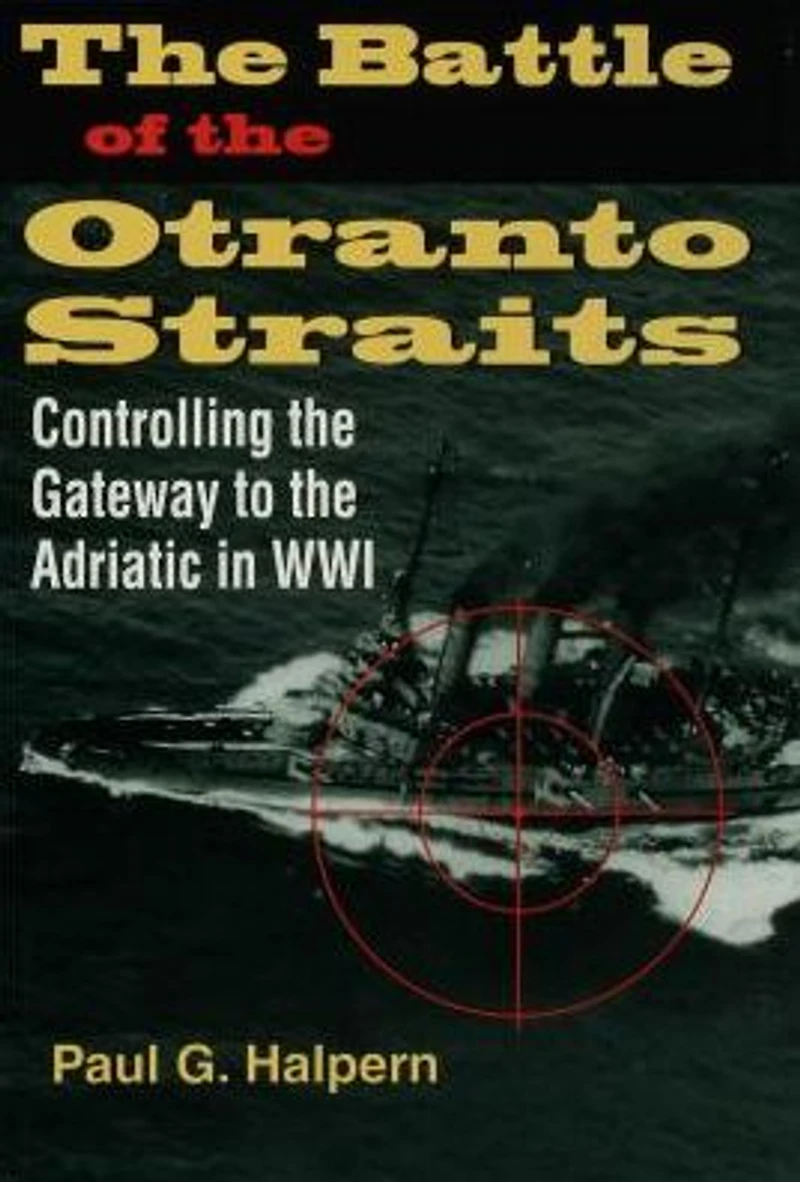
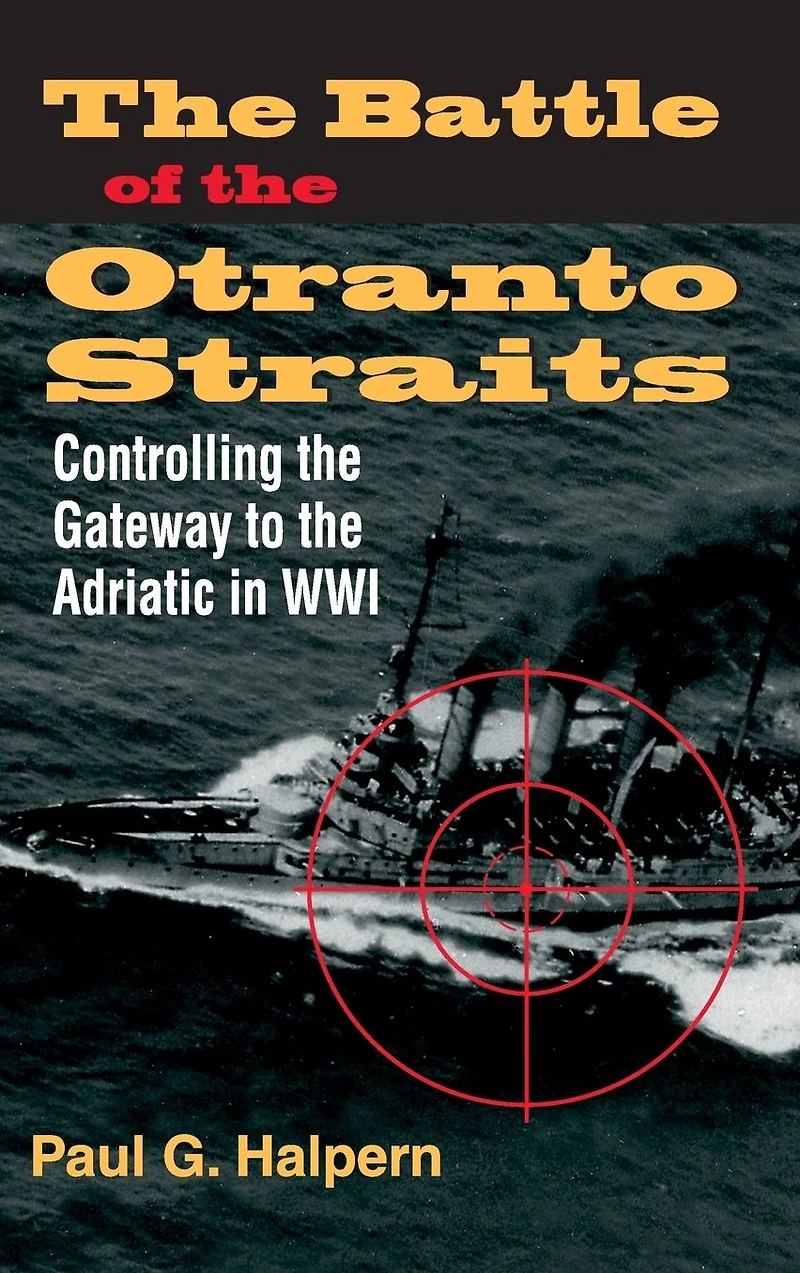
Called by some a "Mediterranean Jutland," the Battle of the Otranto Straits involved warships from Austria, Germany, Italy, Britain, and France. Although fought by light units with no dreadnoughts involved, Otranto was a battle in three dimensions—engaging surface vessels, aircraft, and subsurface weapons (both submarines and mines). An attempt to halt the movement of submarines into the Adriatic using British drifters armed with nets and mines led to a raid by Austrian light cruisers. The Austrians inflicted heavy damage on the drifters, but Allied naval forces based at Brindisi cut off their withdrawal. The daylight hours saw a running battle, with the Austrians at considerable risk. Heavier Austrian units put out from Cattaro in support, and at the climactic moment the Allied light forces had to turn away, permitting the Austrians to escape. In the end, the Austrians had inflicted more damage than they suffered themselves. The Otranto action shows the difficulties of waging coalition warfare in which diplomatic and national jealousies override military efficiency.
Called by some a "Mediterranean Jutland," the Battle of the Otranto Straits involved warships from Austria, Germany, Italy, Britain, and France. Although fought by light units with no dreadnoughts involved, Otranto was a battle in three dimensions—engaging surface vessels, aircraft, and subsurface weapons (both submarines and mines). An attempt to halt the movement of submarines into the Adriatic using British drifters armed with nets and mines led to a raid by Austrian light cruisers. The Austrians inflicted heavy damage on the drifters, but Allied naval forces based at Brindisi cut off their withdrawal. The daylight hours saw a running battle, with the Austrians at considerable risk. Heavier Austrian units put out from Cattaro in support, and at the climactic moment the Allied light forces had to turn away, permitting the Austrians to escape. In the end, the Austrians had inflicted more damage than they suffered themselves. The Otranto action shows the difficulties of waging coalition warfare in which diplomatic and national jealousies override military efficiency.
Shop Similar Products










Find at Mall of America® in Bloomington, MN
Visit at Mall of America® in Bloomington, MN