


Home
The Animal Surreal: Role of Darwin, Animals, and Evolution Surrealism
Barnes and Noble
Loading Inventory...
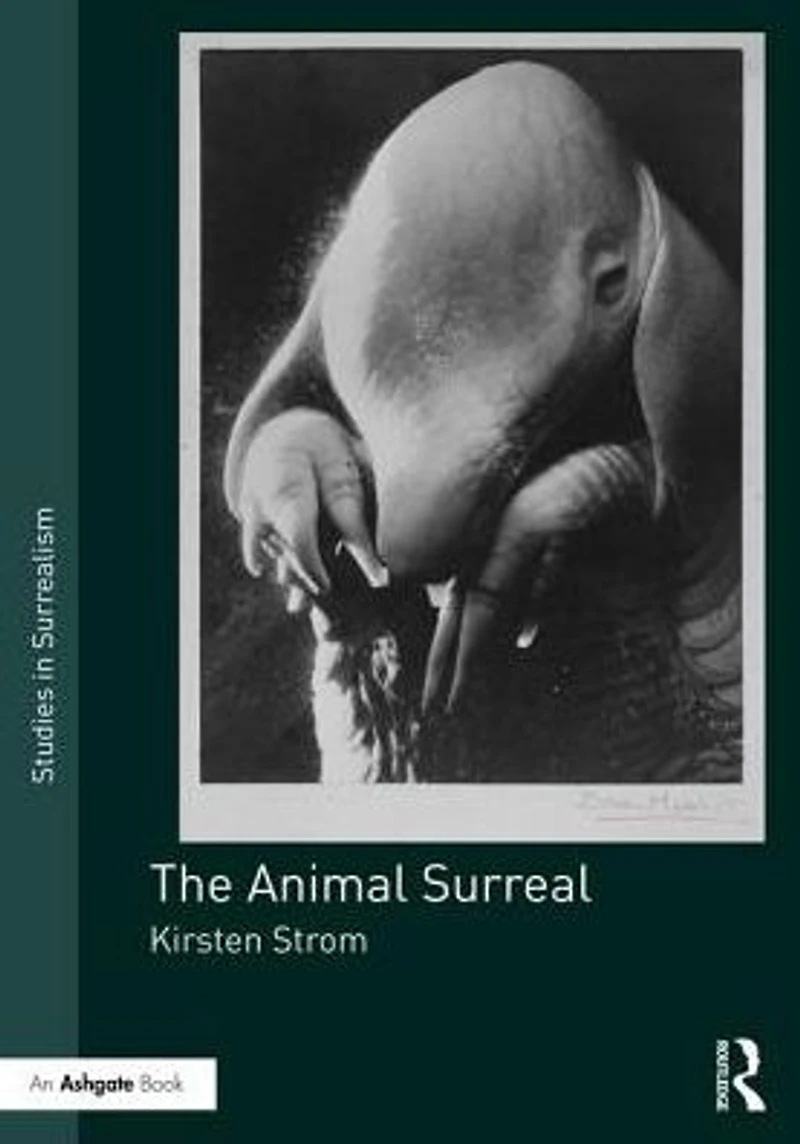
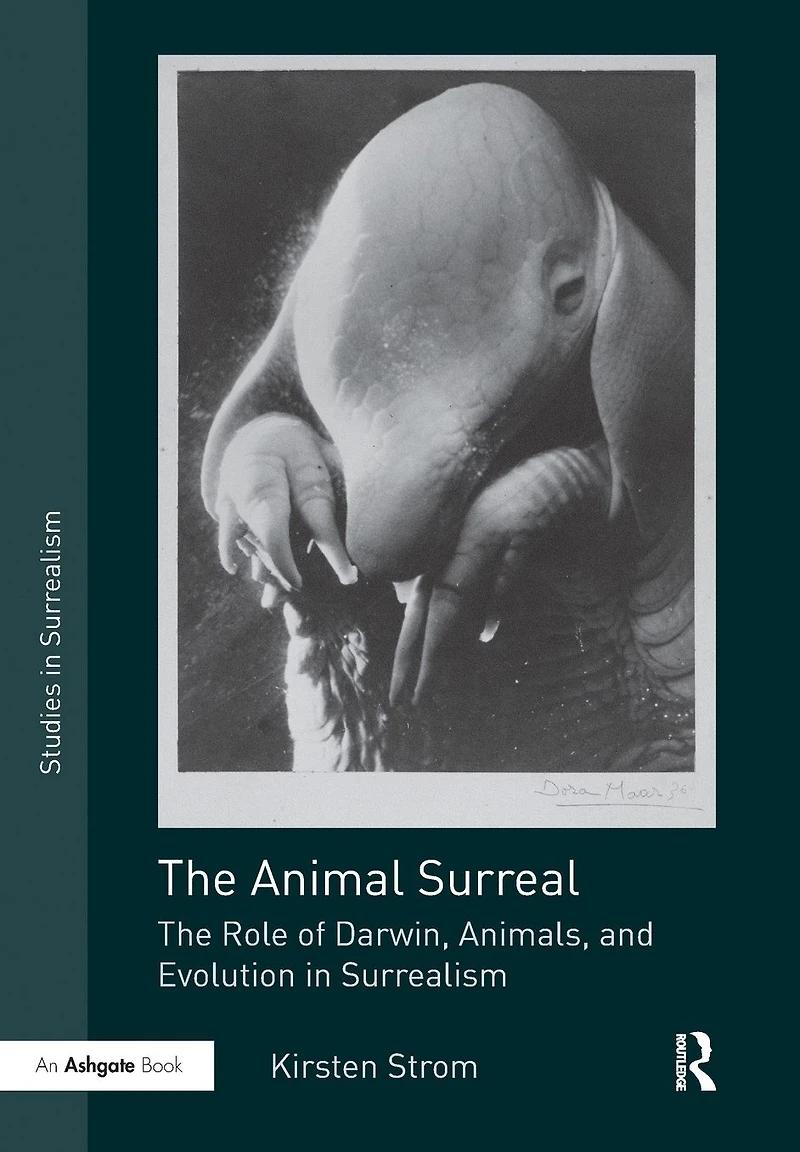
The Animal Surreal: Role of Darwin, Animals, and Evolution Surrealism in Bloomington, MN
By Barnes & Noble
Current price: $235.00

The Animal Surreal: Role of Darwin, Animals, and Evolution Surrealism in Bloomington, MN
Current price: $235.00
Loading Inventory...
Size: Hardcover
The Animal Surreal situates Surrealism within the burgeoning field of Animal Studies by examining Surrealist representations of nonhuman animals through the lens of Darwinian theory. Unlike Marx and Freud, Darwin was rarely cited by name as a source for the Surrealists, and yet his influence is present in various ways, such as the frequent inclusion of "natural history" imagery and the exploration of themes of mutability and mutation. Animals and our relationship to them furthermore constitute a significant source of inquiry for Surrealism, as evidenced by Max Ernst’s human-bird alter-ego Loplop, their avid interest in the praying mantis, the adoption of the Minotaur as emblem, and the frequently recurring birds, insects, horses, dogs, cats, giraffes, elephants, lions, and cows, among others, represented in Surrealist poetry, painting, and film. The Animal Surreal proposes that the Surrealists portrayed such animals as if they were literal embodiments of Surrealist themes such as the marvelous and the uncanny, and it documents the numerous ways in which the Surrealists willfully engaged the politics of the animal other in ways that implicitly, and on occasion explicitly, challenged what Freud would call "human narcissism."
The Animal Surreal situates Surrealism within the burgeoning field of Animal Studies by examining Surrealist representations of nonhuman animals through the lens of Darwinian theory. Unlike Marx and Freud, Darwin was rarely cited by name as a source for the Surrealists, and yet his influence is present in various ways, such as the frequent inclusion of "natural history" imagery and the exploration of themes of mutability and mutation. Animals and our relationship to them furthermore constitute a significant source of inquiry for Surrealism, as evidenced by Max Ernst’s human-bird alter-ego Loplop, their avid interest in the praying mantis, the adoption of the Minotaur as emblem, and the frequently recurring birds, insects, horses, dogs, cats, giraffes, elephants, lions, and cows, among others, represented in Surrealist poetry, painting, and film. The Animal Surreal proposes that the Surrealists portrayed such animals as if they were literal embodiments of Surrealist themes such as the marvelous and the uncanny, and it documents the numerous ways in which the Surrealists willfully engaged the politics of the animal other in ways that implicitly, and on occasion explicitly, challenged what Freud would call "human narcissism."
Shop Similar Products







Find at Mall of America® in Bloomington, MN
Visit at Mall of America® in Bloomington, MN