


Home
The Agrarian Structure Of Bangladesh: An Impediment To Development
Barnes and Noble
Loading Inventory...
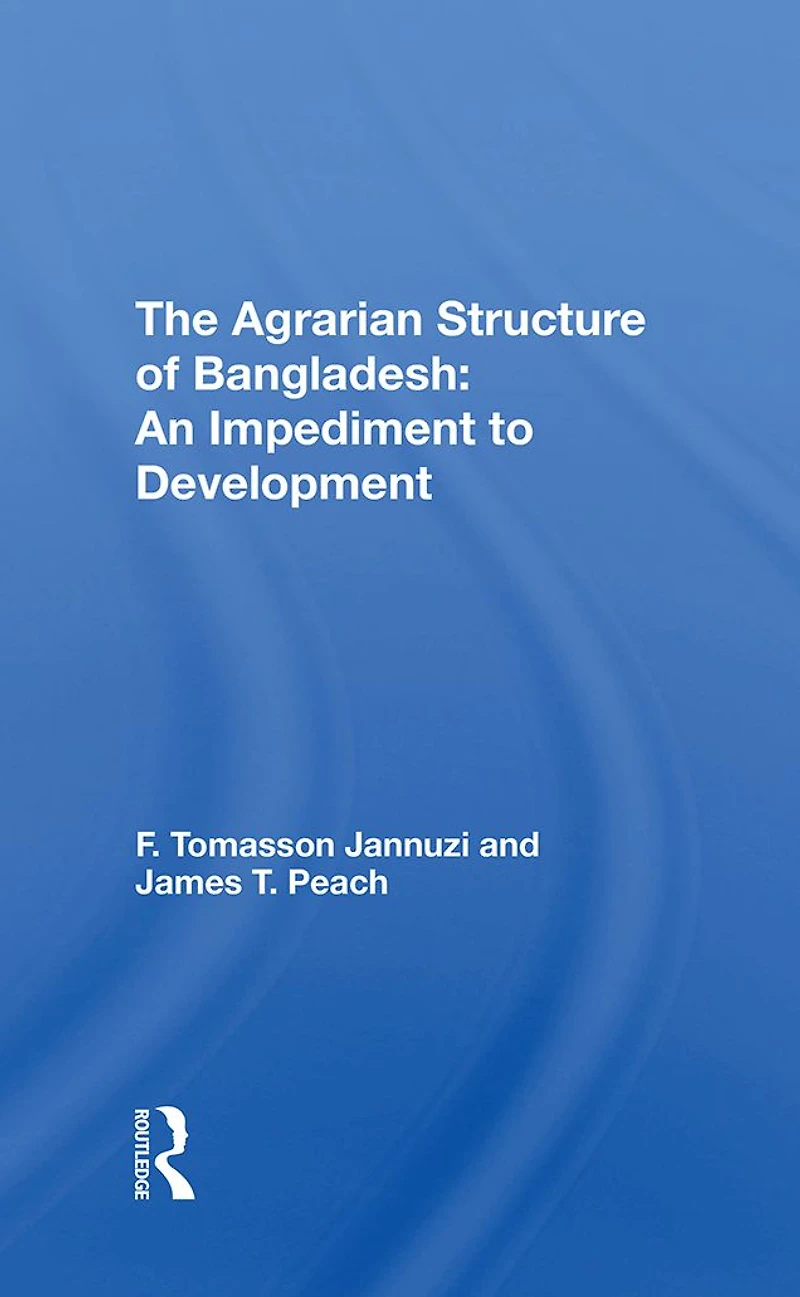


The Agrarian Structure Of Bangladesh: An Impediment To Development in Bloomington, MN
By Barnes & Noble
Current price: $59.99

The Agrarian Structure Of Bangladesh: An Impediment To Development in Bloomington, MN
Current price: $59.99
Loading Inventory...
Size: EBook
The relationship between the agrarian structure of Bangladesh and its problems of rural development is established in this study based on four years (1975-79) of field research. The authors suggest that the concentration of land in the hands of a rural elite is the principal impediment to the participation of weaker sections of the peasantry in economic progress. Tracing the failure of local attempts to change Bangladesh's agrarian structure by legislative means, they outline a modified program for rural development that is linked to agrarian reform. Agrarian reform, Drs. Jannuzi and Peach argue, is the prerequisite for a rural development strategy that provides for both economic growth and improved income distribution; thus, approaches to rural development in Bangladesh that place reliance on new agricultural technology without first changing the institutions that determine peoples' relationships to the land are not viable. The authors' policy recommendations, grounded in new data on the relative proportions of owners of land, sharecroppers, and the landless, are supplemented by a theoretical analysis of the institution of sharecropping and detailed field work methodology.
The relationship between the agrarian structure of Bangladesh and its problems of rural development is established in this study based on four years (1975-79) of field research. The authors suggest that the concentration of land in the hands of a rural elite is the principal impediment to the participation of weaker sections of the peasantry in economic progress. Tracing the failure of local attempts to change Bangladesh's agrarian structure by legislative means, they outline a modified program for rural development that is linked to agrarian reform. Agrarian reform, Drs. Jannuzi and Peach argue, is the prerequisite for a rural development strategy that provides for both economic growth and improved income distribution; thus, approaches to rural development in Bangladesh that place reliance on new agricultural technology without first changing the institutions that determine peoples' relationships to the land are not viable. The authors' policy recommendations, grounded in new data on the relative proportions of owners of land, sharecroppers, and the landless, are supplemented by a theoretical analysis of the institution of sharecropping and detailed field work methodology.
Shop Similar Products















Find at Mall of America® in Bloomington, MN
Visit at Mall of America® in Bloomington, MN