


Home
The 2024 Food Price Crises in Minna: Rethinking Food Security Policy
Barnes and Noble
Loading Inventory...
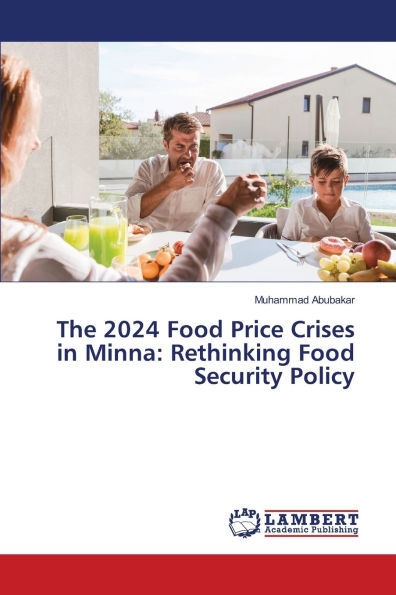
The 2024 Food Price Crises in Minna: Rethinking Food Security Policy in Bloomington, MN
Current price: $51.00

The 2024 Food Price Crises in Minna: Rethinking Food Security Policy in Bloomington, MN
Current price: $51.00
Loading Inventory...
Size: OS
The 2024 food price crisis in Minna, Niger State, reveals the deep interconnection between economic reforms, insecurity, climate change, and governance failures. This study investigates both immediate and structural causes of the crisis, drawing on primary data from 381 respondents and secondary literature. Findings show that subsidy removal, exchange rate fluctuations, and exploitative practices by traders created artificial scarcity, while long-standing neglect of agricultural investment and technological innovation worsened food insecurity. Unlike earlier crises, this episode is marked by unprecedented inflation, regional unrest, and rising poverty levels.The crisis is not merely about low food production but about systemic weaknesses-poor infrastructure, market failures, corruption, and weak policy implementation-that leave vulnerable populations struggling. Women and children are disproportionately affected, with malnutrition rates soaring and household incomes stretched thin as food prices climb by over 50%. Protests in Minna and across northern Nigeria highlight how food insecurity fuels social unrest, creating a vicious cycle of poverty and instability.
The 2024 food price crisis in Minna, Niger State, reveals the deep interconnection between economic reforms, insecurity, climate change, and governance failures. This study investigates both immediate and structural causes of the crisis, drawing on primary data from 381 respondents and secondary literature. Findings show that subsidy removal, exchange rate fluctuations, and exploitative practices by traders created artificial scarcity, while long-standing neglect of agricultural investment and technological innovation worsened food insecurity. Unlike earlier crises, this episode is marked by unprecedented inflation, regional unrest, and rising poverty levels.The crisis is not merely about low food production but about systemic weaknesses-poor infrastructure, market failures, corruption, and weak policy implementation-that leave vulnerable populations struggling. Women and children are disproportionately affected, with malnutrition rates soaring and household incomes stretched thin as food prices climb by over 50%. Protests in Minna and across northern Nigeria highlight how food insecurity fuels social unrest, creating a vicious cycle of poverty and instability.














Find at Mall of America® in Bloomington, MN
Visit at Mall of America® in Bloomington, MN