


Home
The 15-Minute Movie Method
Barnes and Noble
Loading Inventory...
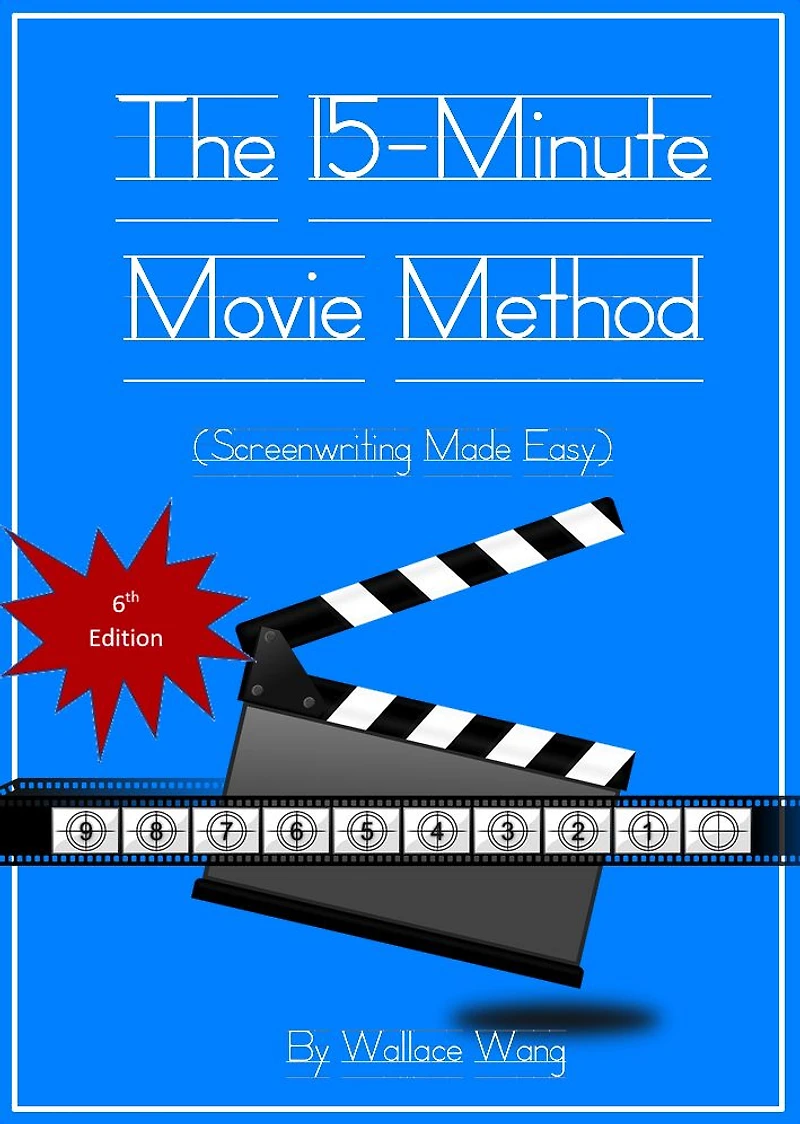
The 15-Minute Movie Method in Bloomington, MN
By Barnes & Noble
Current price: $9.99

The 15-Minute Movie Method in Bloomington, MN
Current price: $9.99
Loading Inventory...
Size: EBook
If you've always wanted to write a screenplay or a novel, you may be wondering, "What makes a great story?" It's not just interesting characters, memorable dialogue, or explosive action scenes. What makes a great screenplay (or novel) is a great story.Every great story, from classic novels and stage plays to today's modern films, follow the same basic, proven story structure that alternates between contrasting problems and solutions to maintain and maximize suspense. In the traditional three Act structure, a story looks like this:Act I -- ExpositionAct II -- Rising ActionAct III -- ClimaxAct I and Act III are roughly the same length (corresponding to a 30-minute length in a 120-minute screenplay), but Act II is typically twice as long as either Act I or Act III. The result is that the traditional three Act structure sets you up for failure by forcing you to write a huge chunk of your story without any guidelines whatsoever. In contrast, a four Act structure makes each Act manageable while also providing the necessary contrast to create a compelling story. Stories are interesting and suspenseful because they alternate between problems facing the hero followed by solutions that the hero achieves. In the four Act structure, a story looks like this:Act I -- ExpositionAct IIa -- Positive Rising ActionAct IIb -- Negative Rising ActionAct III -- ClimaxAnother way to look at this four part story structure is as follows:Act I -- Problem facing the heroAct IIa -- Hero solves the problem and appears to achieve successAct IIb -- New problems occurAct III -- Hero finally solves the problemLet's look at how this four part story structure works in "Star Wars":Act I -- (Problem) Luke is stuck in a dead end life on his uncle's farmAct IIa -- (Solution) Luke leaves with Obi-wan to deliver the stolen Death Star plans Act IIb -- (Problem) Luke gets trapped on the Death StarAct III -- (Solution) Luke blows up the Death Star The four Act structure clearly lets you tell a story with alternating problems and solutions, which is how you generate suspense to keep an audience glued to the edge of their seats. Notice that with Act IIa, the action continues to rise, but in a positive direction. Yet in Act IIb, the action also continues to rise, but in a negative direction. This subtle difference is what the typical three Act structure fails to identify, which is why the three Act structure so easily misleads writers to create less than compelling stories.Once you understand how this four part story structure works, you can use it as a guide to help shape your story into a well-crafted screenplay."The 15-Minute Movie Method" isn't a formula for writing a story, but a set of guidelines that you can test for yourself with your own favorite movies. By following "The 15-Minute Movie Method" guidelines, you can learn how to structure your screenplay to tell a compelling, intriguing story with any idea. You'll learn the four basic parts of any story, how to divide your screenplay into eight, 15-minute segments that each tell a mini-story, what type of information each story segment needs to show the audience, how the beginning and end of your story is related, how to create the toughest villain for your particular hero, who the most important character of your story really is (Hint: it's not your hero), and much more with specific exercises that anyone can follow whether you're a novice trying to write a first screenplay or a veteran screenwriter who needs to know how to fix problems with an existing screenplay.More importantly, you'll learn the importance of theme and how and why to make your character change emotionally based on a lesson learned from a mentor that leads to the hero facing facts about his life, then experiencing a moment of revelation before finally defeating the villain through the mentor's lesson. If your stories feel flat or dull, chances are good you're missing the emotional spark that will help your audience bond with your hero.By taking you step-by-step through the process of turning a good idea into a well-structured story, "The 15-Minute Movie Method" can show you how to write a screenplay with less hassle, frustration, and confusion so you can spend more time actually writing and enjoying the process of creating the story that you want to share with the world. You can write a screenplay and "The 15-Minute Movie Method" can help you get started writing today.
If you've always wanted to write a screenplay or a novel, you may be wondering, "What makes a great story?" It's not just interesting characters, memorable dialogue, or explosive action scenes. What makes a great screenplay (or novel) is a great story.Every great story, from classic novels and stage plays to today's modern films, follow the same basic, proven story structure that alternates between contrasting problems and solutions to maintain and maximize suspense. In the traditional three Act structure, a story looks like this:Act I -- ExpositionAct II -- Rising ActionAct III -- ClimaxAct I and Act III are roughly the same length (corresponding to a 30-minute length in a 120-minute screenplay), but Act II is typically twice as long as either Act I or Act III. The result is that the traditional three Act structure sets you up for failure by forcing you to write a huge chunk of your story without any guidelines whatsoever. In contrast, a four Act structure makes each Act manageable while also providing the necessary contrast to create a compelling story. Stories are interesting and suspenseful because they alternate between problems facing the hero followed by solutions that the hero achieves. In the four Act structure, a story looks like this:Act I -- ExpositionAct IIa -- Positive Rising ActionAct IIb -- Negative Rising ActionAct III -- ClimaxAnother way to look at this four part story structure is as follows:Act I -- Problem facing the heroAct IIa -- Hero solves the problem and appears to achieve successAct IIb -- New problems occurAct III -- Hero finally solves the problemLet's look at how this four part story structure works in "Star Wars":Act I -- (Problem) Luke is stuck in a dead end life on his uncle's farmAct IIa -- (Solution) Luke leaves with Obi-wan to deliver the stolen Death Star plans Act IIb -- (Problem) Luke gets trapped on the Death StarAct III -- (Solution) Luke blows up the Death Star The four Act structure clearly lets you tell a story with alternating problems and solutions, which is how you generate suspense to keep an audience glued to the edge of their seats. Notice that with Act IIa, the action continues to rise, but in a positive direction. Yet in Act IIb, the action also continues to rise, but in a negative direction. This subtle difference is what the typical three Act structure fails to identify, which is why the three Act structure so easily misleads writers to create less than compelling stories.Once you understand how this four part story structure works, you can use it as a guide to help shape your story into a well-crafted screenplay."The 15-Minute Movie Method" isn't a formula for writing a story, but a set of guidelines that you can test for yourself with your own favorite movies. By following "The 15-Minute Movie Method" guidelines, you can learn how to structure your screenplay to tell a compelling, intriguing story with any idea. You'll learn the four basic parts of any story, how to divide your screenplay into eight, 15-minute segments that each tell a mini-story, what type of information each story segment needs to show the audience, how the beginning and end of your story is related, how to create the toughest villain for your particular hero, who the most important character of your story really is (Hint: it's not your hero), and much more with specific exercises that anyone can follow whether you're a novice trying to write a first screenplay or a veteran screenwriter who needs to know how to fix problems with an existing screenplay.More importantly, you'll learn the importance of theme and how and why to make your character change emotionally based on a lesson learned from a mentor that leads to the hero facing facts about his life, then experiencing a moment of revelation before finally defeating the villain through the mentor's lesson. If your stories feel flat or dull, chances are good you're missing the emotional spark that will help your audience bond with your hero.By taking you step-by-step through the process of turning a good idea into a well-structured story, "The 15-Minute Movie Method" can show you how to write a screenplay with less hassle, frustration, and confusion so you can spend more time actually writing and enjoying the process of creating the story that you want to share with the world. You can write a screenplay and "The 15-Minute Movie Method" can help you get started writing today.
Shop Similar Products









Find at Mall of America® in Bloomington, MN
Visit at Mall of America® in Bloomington, MN