


Home
Tea Environments and Plantation Culture: Imperial Disarray Eastern India
Barnes and Noble
Loading Inventory...
Tea Environments and Plantation Culture: Imperial Disarray Eastern India in Bloomington, MN
By Barnes & Noble
Current price: $47.00

Tea Environments and Plantation Culture: Imperial Disarray Eastern India in Bloomington, MN
Current price: $47.00
Loading Inventory...
Size: EBook
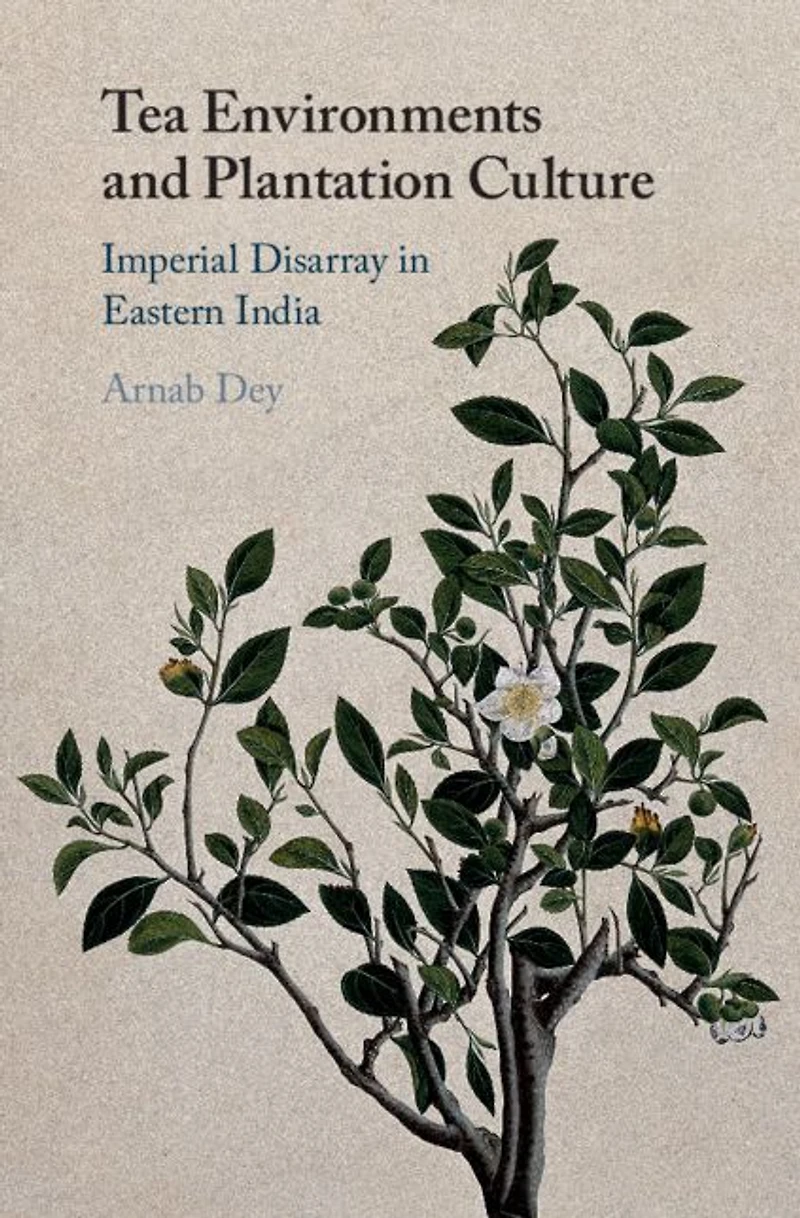
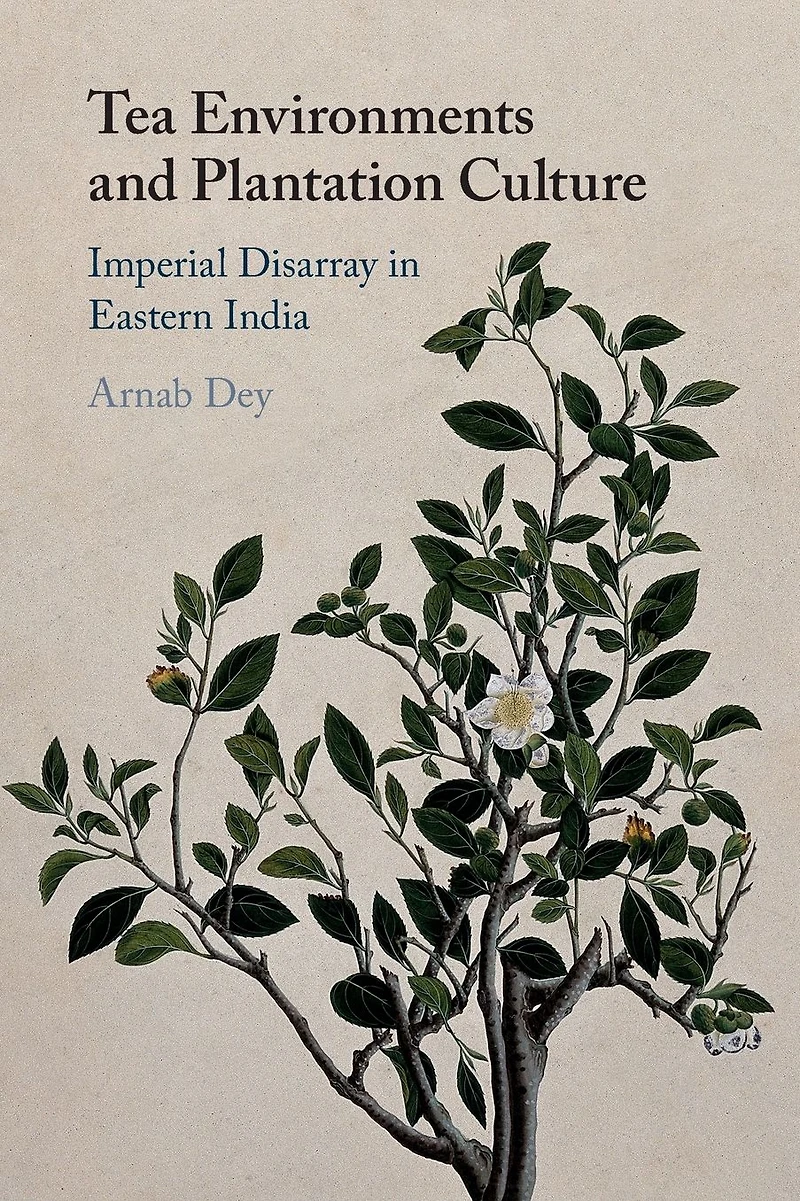
Arnab Dey examines the intersecting role of law, ecology, and agronomy in shaping the history of tea and its plantations in British east India. He suggests that looking afresh at the legal, environmental, and agro-economic aspects of tea production illuminate covert, expedient, and often illegal administrative and commercial dealings that had an immediate and long-term human and environmental impact on the region. Critiquing this imperial commodity's advertised mandate of agrarian modernization in colonial India, Dey points to numerous tea pests, disease ecologies, felled forests, harsh working conditions, wage manipulation, and political resistance as examples of tea's unseemly legacy in the subcontinent. Dey draws together the plant and the plantation in highlighting the ironies of the tea economy and its consequences for the agrarian history of eastern India.
Arnab Dey examines the intersecting role of law, ecology, and agronomy in shaping the history of tea and its plantations in British east India. He suggests that looking afresh at the legal, environmental, and agro-economic aspects of tea production illuminate covert, expedient, and often illegal administrative and commercial dealings that had an immediate and long-term human and environmental impact on the region. Critiquing this imperial commodity's advertised mandate of agrarian modernization in colonial India, Dey points to numerous tea pests, disease ecologies, felled forests, harsh working conditions, wage manipulation, and political resistance as examples of tea's unseemly legacy in the subcontinent. Dey draws together the plant and the plantation in highlighting the ironies of the tea economy and its consequences for the agrarian history of eastern India.
Shop Similar Products













Find at Mall of America® in Bloomington, MN
Visit at Mall of America® in Bloomington, MN