


Home
Surveillance as Social Sorting: Privacy, Risk and Automated Discrimination
Barnes and Noble
Loading Inventory...
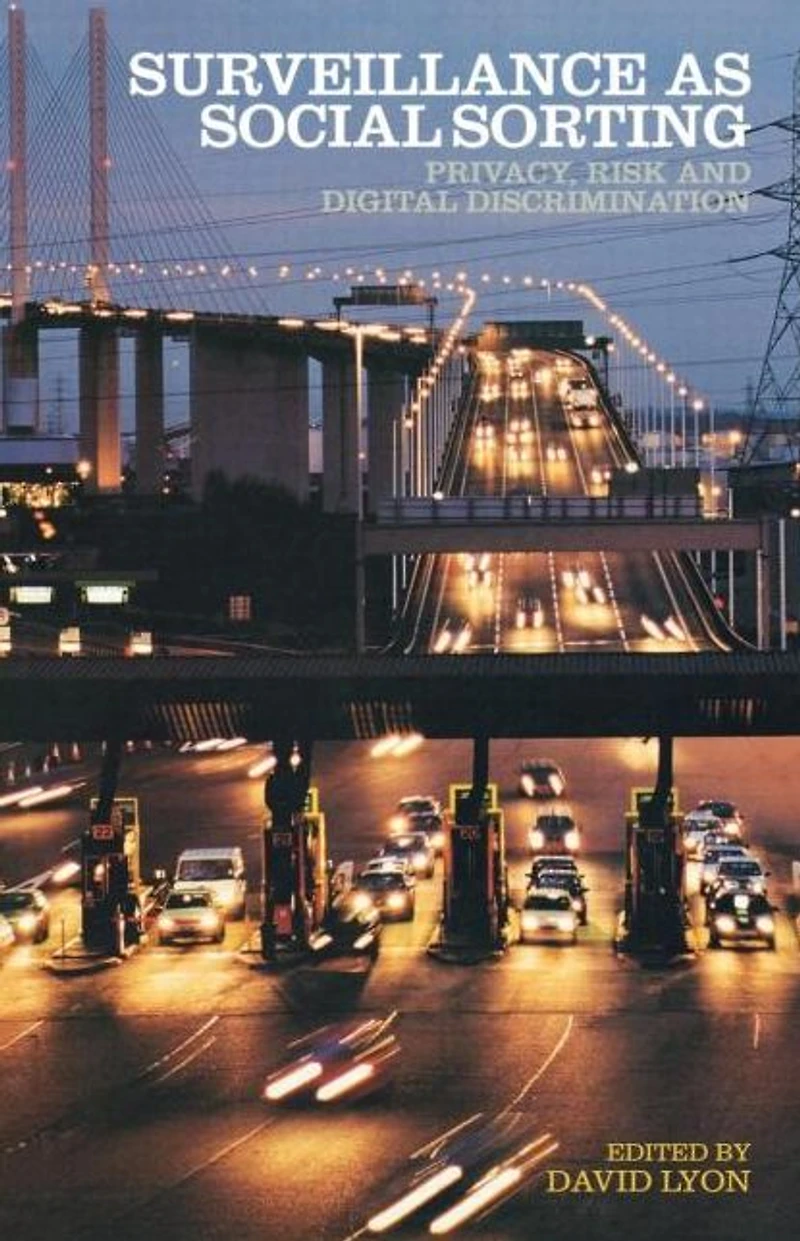
Surveillance as Social Sorting: Privacy, Risk and Automated Discrimination in Bloomington, MN
By Barnes & Noble
Current price: $69.99

Surveillance as Social Sorting: Privacy, Risk and Automated Discrimination in Bloomington, MN
Current price: $69.99
Loading Inventory...
Size: EBook
Surveillance happens to all of us, everyday, as we walk beneath street cameras, swipe cards, surf the net. Agencies are using increasingly sophisticated computer systems - especially searchable databases - to keep tabs on us at home, work and play. Once the word surveillance was reserved for police activities and intelligence gathering, now it is an unavoidable feature of everyday life.Surveillance as Social Sorting proposes that surveillance is not simply a contemporary threat to individual freedom, but that, more insidiously, it is a powerful means of creating and reinforcing long-term social differences. As practiced today, it is actually a form of social sorting - a means of verifying identities but also of assessing risks and assigning worth. Questions of how categories are constructed therefore become significant ethical and political questions.Bringing together contributions from North America and Europe, Surveillance as Social Sorting offers an innovative approach to the interaction between societies and their technologies. It looks at a number of examples in depth and will be an appropriate source of reference for a wide variety of courses.
Surveillance happens to all of us, everyday, as we walk beneath street cameras, swipe cards, surf the net. Agencies are using increasingly sophisticated computer systems - especially searchable databases - to keep tabs on us at home, work and play. Once the word surveillance was reserved for police activities and intelligence gathering, now it is an unavoidable feature of everyday life.Surveillance as Social Sorting proposes that surveillance is not simply a contemporary threat to individual freedom, but that, more insidiously, it is a powerful means of creating and reinforcing long-term social differences. As practiced today, it is actually a form of social sorting - a means of verifying identities but also of assessing risks and assigning worth. Questions of how categories are constructed therefore become significant ethical and political questions.Bringing together contributions from North America and Europe, Surveillance as Social Sorting offers an innovative approach to the interaction between societies and their technologies. It looks at a number of examples in depth and will be an appropriate source of reference for a wide variety of courses.
Shop Similar Products













Find at Mall of America® in Bloomington, MN
Visit at Mall of America® in Bloomington, MN