


Home
State Formation China and Taiwan: Bureaucracy, Campaign, Performance
Barnes and Noble
Loading Inventory...
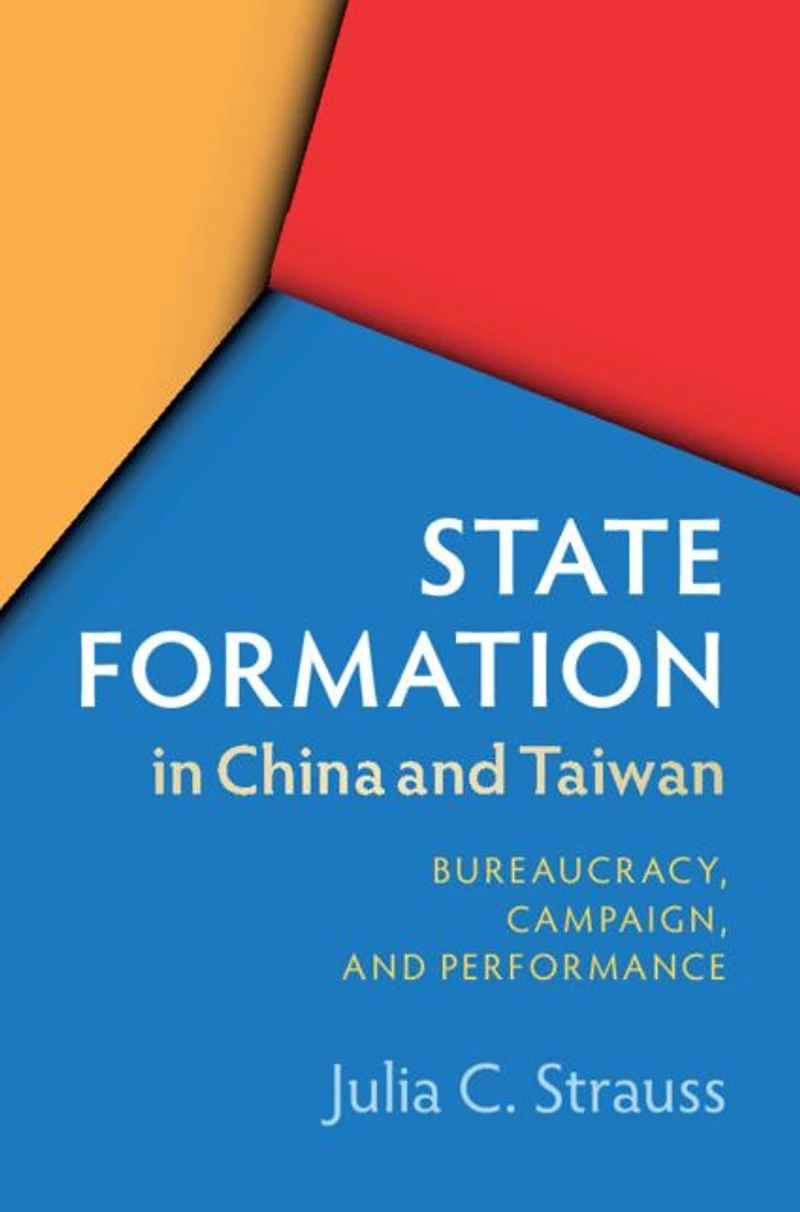
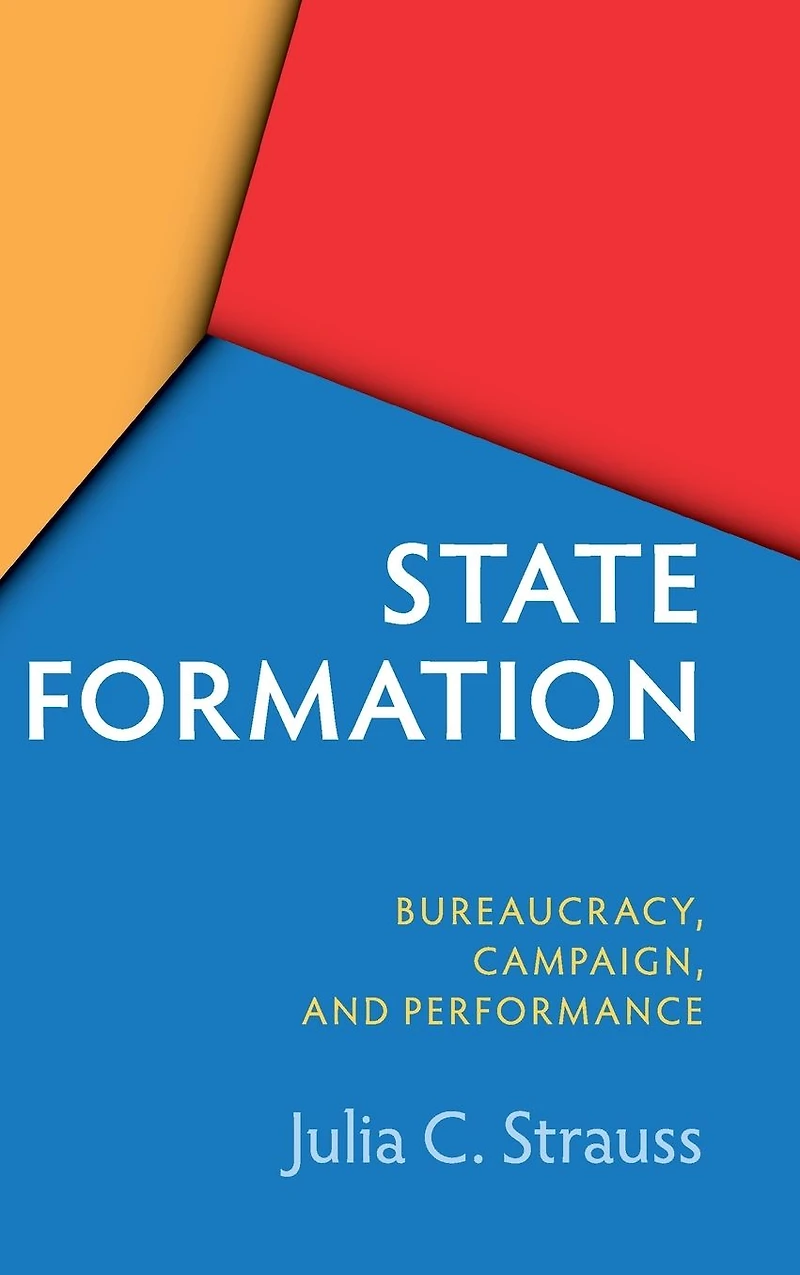

State Formation China and Taiwan: Bureaucracy, Campaign, Performance in Bloomington, MN
By Barnes & Noble
Current price: $35.00

State Formation China and Taiwan: Bureaucracy, Campaign, Performance in Bloomington, MN
Current price: $35.00
Loading Inventory...
Size: EBook
This is an ambitious comparative study of regime consolidation in the 'revolutionary' People's Republic of China and the 'conservative' Republic of China (Taiwan) in the years following the communist victory against the nationalists on the Chinese mainland in 1949. Julia C. Strauss argues that accounting for these two variants of the Chinese state solely in terms of their divergent ideology and institutions fails to recognise their similarities and their relative successes. Both, after all, emerged from a common background of Leninist party organization amid civil war and foreign invasion. However, by the mid-1950s they were on clearly different trajectories of state-building and development. Focusing on Sunan and Taiwan, Strauss considers state personnel, the use of terror and land reform to explore the evolution of these revolutionary and conservative regimes between 1949 and 1954. In so doing, she sheds important new light on twentieth-century political change in East Asia, deepening our understanding of state formation.
This is an ambitious comparative study of regime consolidation in the 'revolutionary' People's Republic of China and the 'conservative' Republic of China (Taiwan) in the years following the communist victory against the nationalists on the Chinese mainland in 1949. Julia C. Strauss argues that accounting for these two variants of the Chinese state solely in terms of their divergent ideology and institutions fails to recognise their similarities and their relative successes. Both, after all, emerged from a common background of Leninist party organization amid civil war and foreign invasion. However, by the mid-1950s they were on clearly different trajectories of state-building and development. Focusing on Sunan and Taiwan, Strauss considers state personnel, the use of terror and land reform to explore the evolution of these revolutionary and conservative regimes between 1949 and 1954. In so doing, she sheds important new light on twentieth-century political change in East Asia, deepening our understanding of state formation.
Shop Similar Products
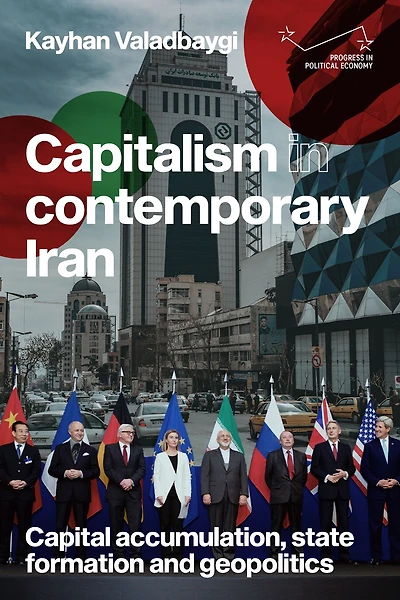
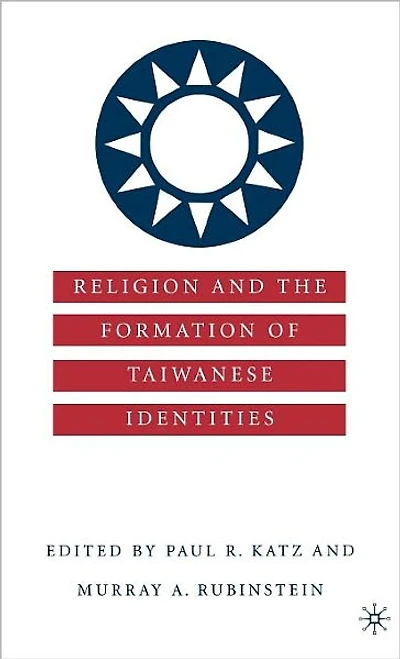








Find at Mall of America® in Bloomington, MN
Visit at Mall of America® in Bloomington, MN