


Home
Spooked!: How a Radio Broadcast and the War of Worlds Sparked 1938 Invasion America
Barnes and Noble
Loading Inventory...

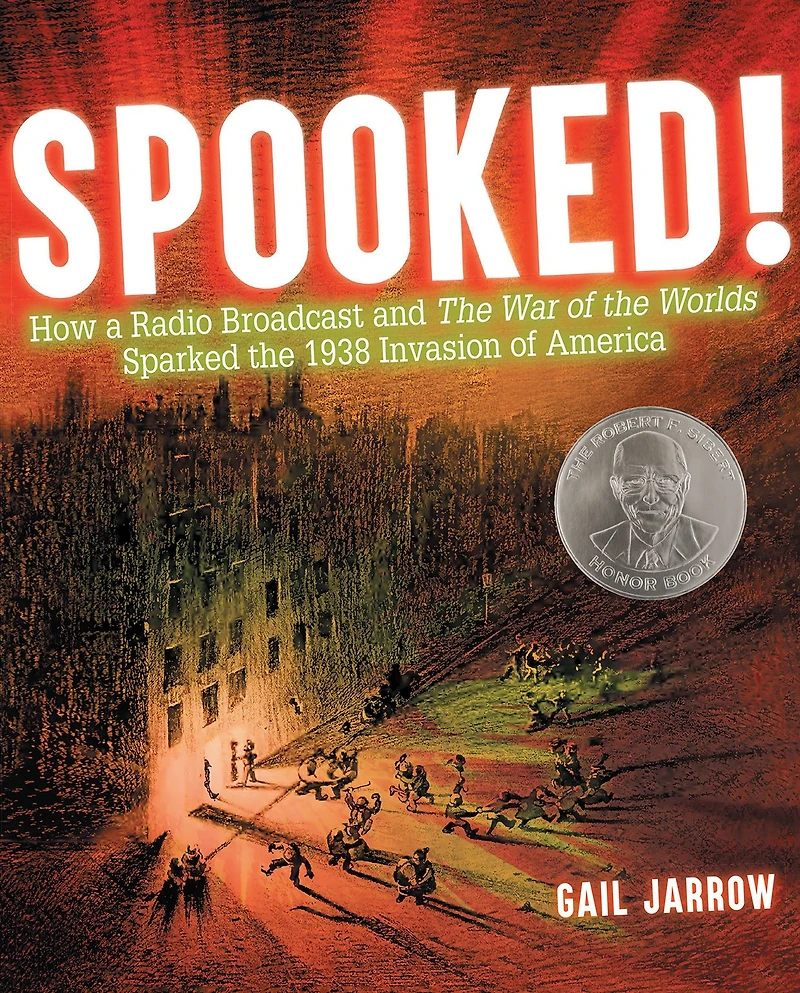
Spooked!: How a Radio Broadcast and the War of Worlds Sparked 1938 Invasion America in Bloomington, MN
By Barnes & Noble
Current price: $10.99

Spooked!: How a Radio Broadcast and the War of Worlds Sparked 1938 Invasion America in Bloomington, MN
Current price: $10.99
Loading Inventory...
Size: Audiobook
A Washington Post Best Children's BookThis book for young readers explores in riveting detail the false panic created by the famous War of the Worlds radio broadcast from 1938—as well as the repercussions of "fake news" today. On the night of October 30, 1938, thousands of Americans panicked when they believed that Martians had invaded Earth. What appeared to be breaking news about an alien invasion was in fact a radio drama based on H. G. Wells's War of the Worlds, performed by Orson Welles and his Mercury Theatre players. Some listeners became angry once they realized they had been tricked, and the reaction to the broadcast sparked a national discussion about fake news, propaganda, and the role of radio. In this compelling nonfiction chapter book, Gail Jarrow explores the production of the broadcast, the aftermath, and the concept of "fake news" in the media.
A Washington Post Best Children's BookThis book for young readers explores in riveting detail the false panic created by the famous War of the Worlds radio broadcast from 1938—as well as the repercussions of "fake news" today. On the night of October 30, 1938, thousands of Americans panicked when they believed that Martians had invaded Earth. What appeared to be breaking news about an alien invasion was in fact a radio drama based on H. G. Wells's War of the Worlds, performed by Orson Welles and his Mercury Theatre players. Some listeners became angry once they realized they had been tricked, and the reaction to the broadcast sparked a national discussion about fake news, propaganda, and the role of radio. In this compelling nonfiction chapter book, Gail Jarrow explores the production of the broadcast, the aftermath, and the concept of "fake news" in the media.
Shop Similar Products











Find at Mall of America® in Bloomington, MN
Visit at Mall of America® in Bloomington, MN