


Home
Sparta: History of the City-State Ancient Greece
Barnes and Noble
Loading Inventory...
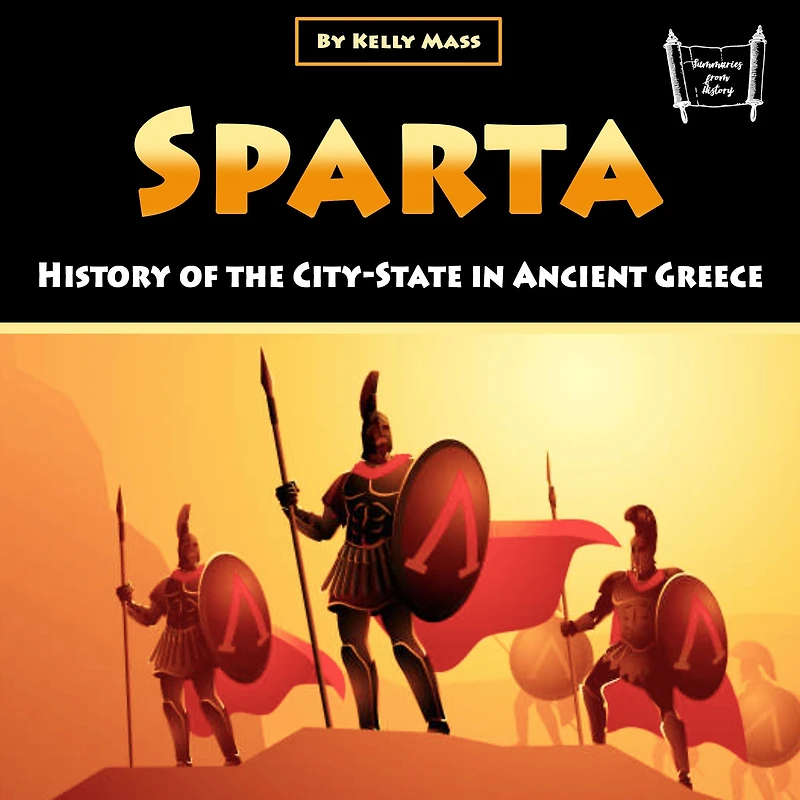
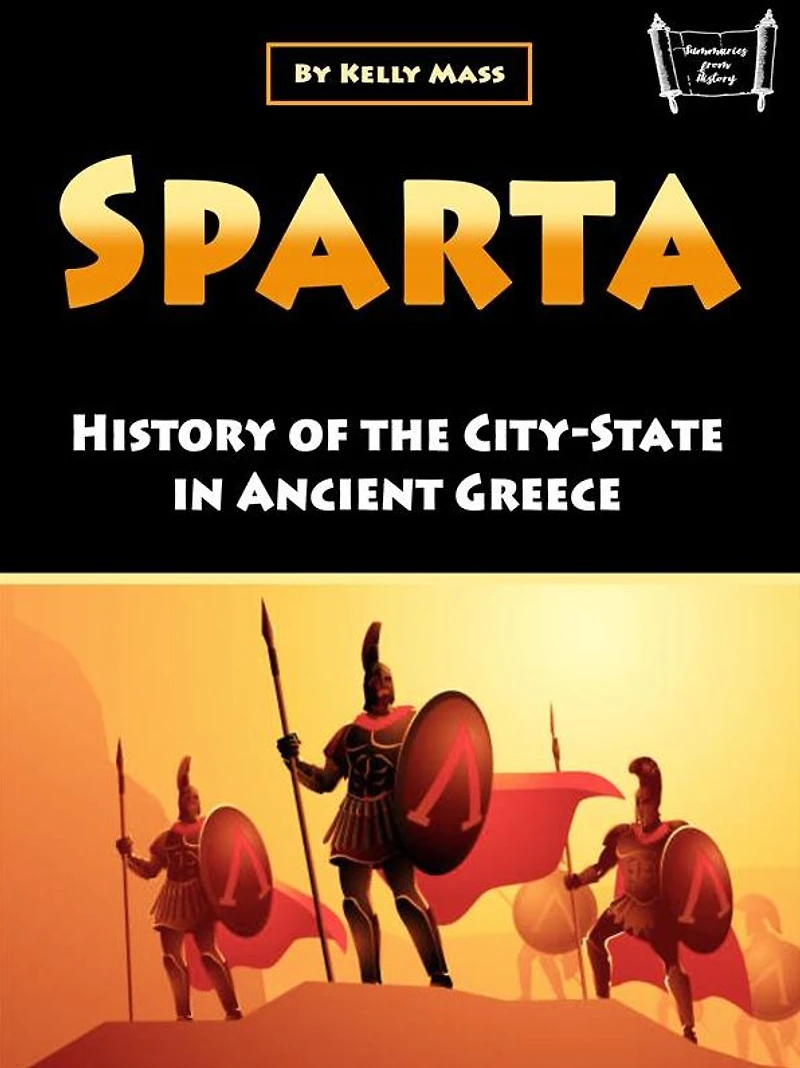
Sparta: History of the City-State Ancient Greece in Bloomington, MN
By Barnes & Noble
Current price: $3.99

Sparta: History of the City-State Ancient Greece in Bloomington, MN
Current price: $3.99
Loading Inventory...
Size: Audiobook
This audiobook is narrated by a digital voice.Nestled in ancient Greece's Laconia, Sparta, originally named Lacedaemon in antiquity, thrived as a city-state. Positioned along the Eurotas River's banks in Laconia, within the southeastern Peloponnese, Sparta ascended to become the most formidable land force in ancient Greece around 650 BC.Amidst the Greco-Persian Wars, Sparta claimed its status as the foremost power in the unified Greek military, rivaled only by the burgeoning naval might of Athens.Throughout the Peloponnesian War, spanning from 431 to 404 BC, Sparta emerged as Athens' primary adversary and secured victory after the Battle of Aegospotami. While the Spartan hegemony waned after the decisive Battle of Leuctra in 371 BC, the city-state maintained its political autonomy until the Roman conquest of Greece in 146 BC. Following the division of the Roman Empire, Sparta endured a prolonged period of decline, notably during the Middle Ages, prompting the migration of many citizens to Mystras. In contemporary times, Sparta stands as the modern capital of Laconia in southern Greece, functioning as a hub for citrus and olive processing.Renowned for its distinctive social structure and constitution, purportedly established by the semi-mythical legislator Lycurgus, Sparta directed its societal institutions toward military training and physical prowess, prioritizing the maximization of military strength. Spartiates (full-fledged citizens), mothakes (free non-Spartiate individuals with Spartan lineage), perioikoi (free non-Spartiates), and helots constituted the four Spartan classes, the latter being state-owned enslaved locals. Spartan phalanx brigades gained widespread acclaim for their prowess in battle, marking them as among the elite in classical antiquity. Remarkably, Spartan women enjoyed more rights compared to their counterparts in other ancient Greek societies.
This audiobook is narrated by a digital voice.Nestled in ancient Greece's Laconia, Sparta, originally named Lacedaemon in antiquity, thrived as a city-state. Positioned along the Eurotas River's banks in Laconia, within the southeastern Peloponnese, Sparta ascended to become the most formidable land force in ancient Greece around 650 BC.Amidst the Greco-Persian Wars, Sparta claimed its status as the foremost power in the unified Greek military, rivaled only by the burgeoning naval might of Athens.Throughout the Peloponnesian War, spanning from 431 to 404 BC, Sparta emerged as Athens' primary adversary and secured victory after the Battle of Aegospotami. While the Spartan hegemony waned after the decisive Battle of Leuctra in 371 BC, the city-state maintained its political autonomy until the Roman conquest of Greece in 146 BC. Following the division of the Roman Empire, Sparta endured a prolonged period of decline, notably during the Middle Ages, prompting the migration of many citizens to Mystras. In contemporary times, Sparta stands as the modern capital of Laconia in southern Greece, functioning as a hub for citrus and olive processing.Renowned for its distinctive social structure and constitution, purportedly established by the semi-mythical legislator Lycurgus, Sparta directed its societal institutions toward military training and physical prowess, prioritizing the maximization of military strength. Spartiates (full-fledged citizens), mothakes (free non-Spartiate individuals with Spartan lineage), perioikoi (free non-Spartiates), and helots constituted the four Spartan classes, the latter being state-owned enslaved locals. Spartan phalanx brigades gained widespread acclaim for their prowess in battle, marking them as among the elite in classical antiquity. Remarkably, Spartan women enjoyed more rights compared to their counterparts in other ancient Greek societies.
Shop Similar Products












Find at Mall of America® in Bloomington, MN
Visit at Mall of America® in Bloomington, MN