


Home
Space Technologies for the Benefit of Human Society and Earth
Barnes and Noble
Loading Inventory...
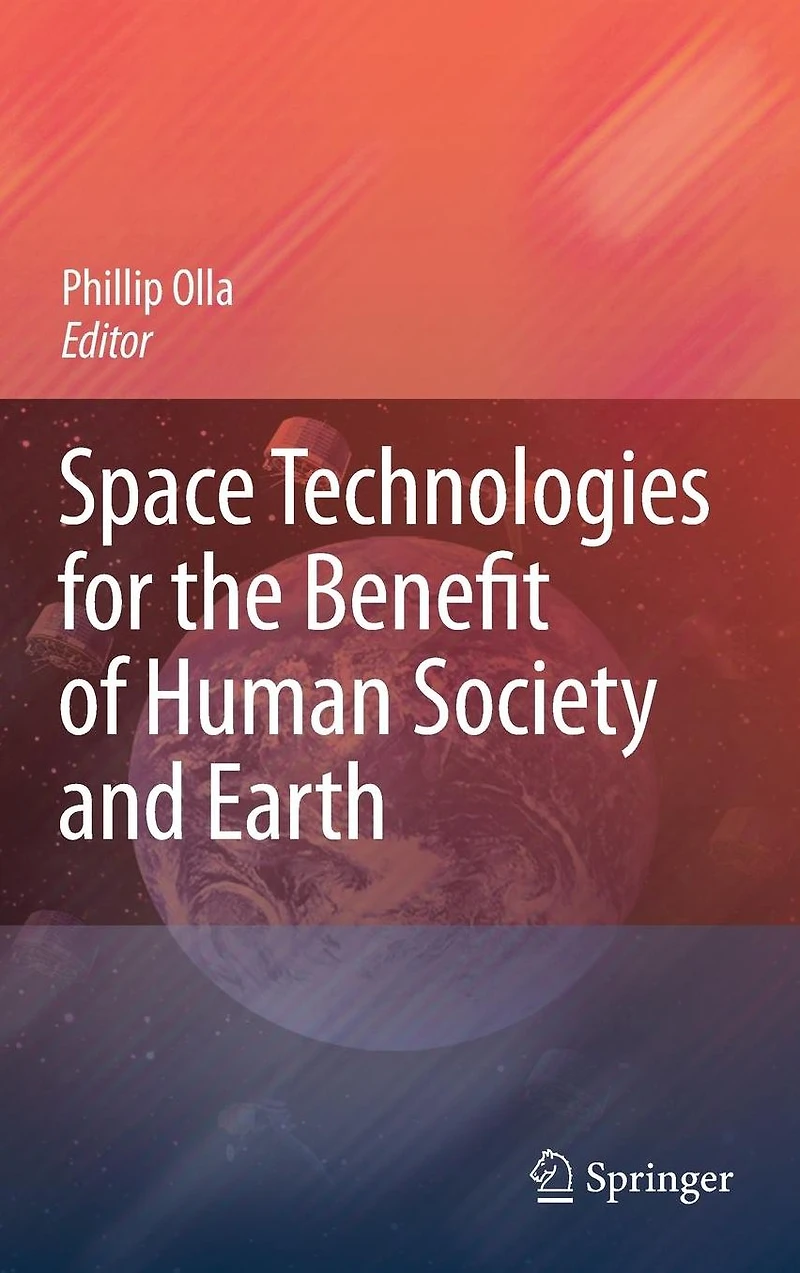
Space Technologies for the Benefit of Human Society and Earth in Bloomington, MN
By Barnes & Noble
Current price: $219.99

Space Technologies for the Benefit of Human Society and Earth in Bloomington, MN
Current price: $219.99
Loading Inventory...
Size: Hardcover
Overview of Space Technology It has been over 50 years since the first satellite was sent into orbit, and the impact of space technology can be felt in many aspects in our day to day life. In addition to the convenience of knowing exactly where we are on the planet via GPS satellites; or deciding what to pack for a trip based on forecasts from weather satellites; watching CNN in a remote village via broadcasting satellites;therearenowsomecrucialen- ronmental uses of Space technologies in the areas of natural resources management and environmental monitoring. Remotely sensed data reveals an unparallel view of the Earth for systems that require synoptic or periodic observations such as inv- tory control, surveying, agriculture, business, mineralogy, hydrography, geology, land mass cover, land utilization and environment monitoring. The advancement of remote sensing has made remote sensed data more affordable and available to merge with a variety of data sources to create mash-ups. The amalgamation of these data sources into disciplines such as agriculture, urban planning, web applications, cartography, geodetic reference systems, and global navigation satellite systems, are an important advancement of space applications and space science. Space Technology and Millennium Development Goals (MDGs) The MDGs are a set of time-bound, measurable goals and targets that are global as well as country-speci c for combating poverty, hunger, diseases, illiteracy, envir- mental degradation and discrimination against women.
Overview of Space Technology It has been over 50 years since the first satellite was sent into orbit, and the impact of space technology can be felt in many aspects in our day to day life. In addition to the convenience of knowing exactly where we are on the planet via GPS satellites; or deciding what to pack for a trip based on forecasts from weather satellites; watching CNN in a remote village via broadcasting satellites;therearenowsomecrucialen- ronmental uses of Space technologies in the areas of natural resources management and environmental monitoring. Remotely sensed data reveals an unparallel view of the Earth for systems that require synoptic or periodic observations such as inv- tory control, surveying, agriculture, business, mineralogy, hydrography, geology, land mass cover, land utilization and environment monitoring. The advancement of remote sensing has made remote sensed data more affordable and available to merge with a variety of data sources to create mash-ups. The amalgamation of these data sources into disciplines such as agriculture, urban planning, web applications, cartography, geodetic reference systems, and global navigation satellite systems, are an important advancement of space applications and space science. Space Technology and Millennium Development Goals (MDGs) The MDGs are a set of time-bound, measurable goals and targets that are global as well as country-speci c for combating poverty, hunger, diseases, illiteracy, envir- mental degradation and discrimination against women.
Shop Similar Products












Find at Mall of America® in Bloomington, MN
Visit at Mall of America® in Bloomington, MN