


Home
Space Supporting Africa: Volume 2: Education and Healthcare as Priority Areas Achieving the United Nations Sustainable Development Goals 2030
Barnes and Noble
Loading Inventory...
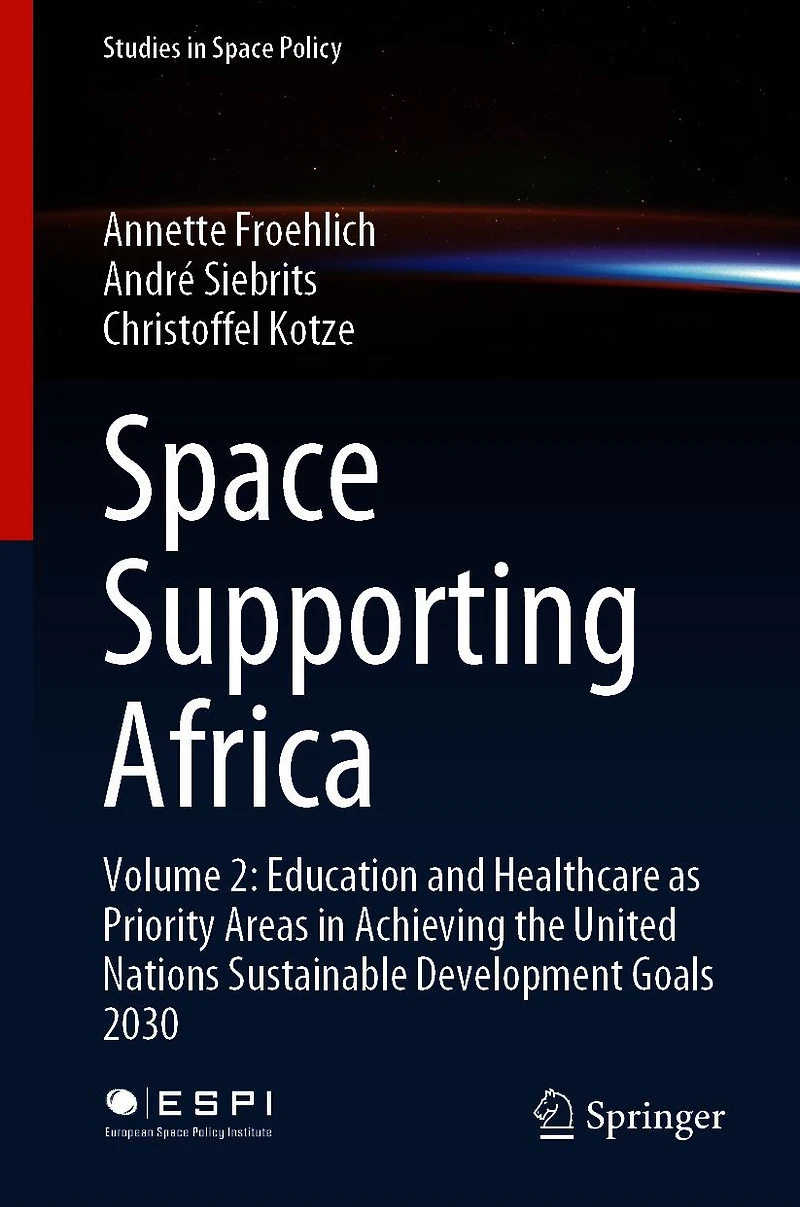
Space Supporting Africa: Volume 2: Education and Healthcare as Priority Areas Achieving the United Nations Sustainable Development Goals 2030 in Bloomington, MN
By Barnes & Noble
Current price: $99.00

Space Supporting Africa: Volume 2: Education and Healthcare as Priority Areas Achieving the United Nations Sustainable Development Goals 2030 in Bloomington, MN
Current price: $99.00
Loading Inventory...
Size: EBook
This book addresses the need to support decision-makers across Africa by promoting awareness of the importance of space technologies and data to African development through the presentation of existing examples where space supports education and healthcare, and by making recommendations for further roll-out of these efforts. This is necessary because of the enduring misconception that space-related research and expenditure competes with other, more pressing, needs on the continent, when in truth space can play a major role in meeting these needs.Accordingly, the book unpacks the United Nations Sustainable Development Goals (SDGs) 2030 and the critical needs they address in the African context. Secondly, it provides an analysis of the African higher education landscape and considers the network of higher education-related SDGs, their targets, and their indicators. Africa’s own development plan, Agenda 2063, is also explored. The African higher education landscape is then assessed by way of three models – the Space-Education Equation (SEE), the Benefits to Education by Space Transection (BEST), and the Enhanced Education for Sustainable Development Access and Success (EESDAS) model. The critical role of educational technologies and e-learning in bridging the educational access and success gap is appraised, as is the role of the space sector, and its technologies, applications, and data in African higher education. Finally, it explores e-health and provides an analysis of pertinent technologies required by e-health, past and present, and the opportunities and challenges it presents. Space technology can play a critical role in eliminating the barriers that are currently preventing e-health from playing a more significant role in a developing region such as sub-Saharan Africa.
This book addresses the need to support decision-makers across Africa by promoting awareness of the importance of space technologies and data to African development through the presentation of existing examples where space supports education and healthcare, and by making recommendations for further roll-out of these efforts. This is necessary because of the enduring misconception that space-related research and expenditure competes with other, more pressing, needs on the continent, when in truth space can play a major role in meeting these needs.Accordingly, the book unpacks the United Nations Sustainable Development Goals (SDGs) 2030 and the critical needs they address in the African context. Secondly, it provides an analysis of the African higher education landscape and considers the network of higher education-related SDGs, their targets, and their indicators. Africa’s own development plan, Agenda 2063, is also explored. The African higher education landscape is then assessed by way of three models – the Space-Education Equation (SEE), the Benefits to Education by Space Transection (BEST), and the Enhanced Education for Sustainable Development Access and Success (EESDAS) model. The critical role of educational technologies and e-learning in bridging the educational access and success gap is appraised, as is the role of the space sector, and its technologies, applications, and data in African higher education. Finally, it explores e-health and provides an analysis of pertinent technologies required by e-health, past and present, and the opportunities and challenges it presents. Space technology can play a critical role in eliminating the barriers that are currently preventing e-health from playing a more significant role in a developing region such as sub-Saharan Africa.
Shop Similar Products











Find at Mall of America® in Bloomington, MN
Visit at Mall of America® in Bloomington, MN