


Home
Solid Waste Processing and Resource Recovery: Volume 2
Barnes and Noble
Loading Inventory...
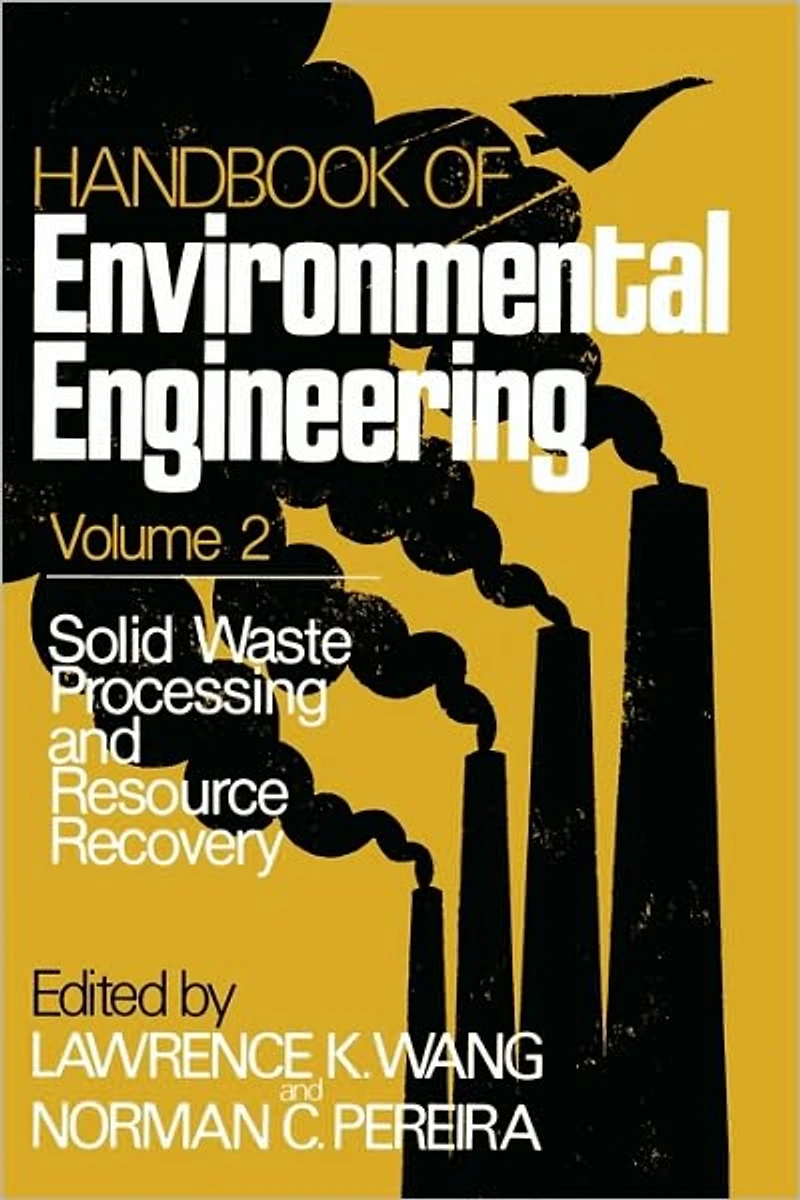
Solid Waste Processing and Resource Recovery: Volume 2 in Bloomington, MN
By Barnes & Noble
Current price: $169.99

Solid Waste Processing and Resource Recovery: Volume 2 in Bloomington, MN
Current price: $169.99
Loading Inventory...
Size: Hardcover
The past few years have seen the emergence of a growing, widespread desire in this country, and indeed everywhere, that positive actions be taken to restore the quality of our environment, and to protect it from the degrading effects of all forms of pollution-air, noise, solid waste, and water. Since pollution is a direct or" indirect consequence of waste, if there is no waste, there can be no pollution, and the seemingly idealistic demand for" zero discharge" can be construed as a demand for zero waste. However, as long as there is waste, we can only attempt to abate the consequent pollution by converting it to a less noxious form. In those instances in which a particular type of pollution has been recognized, three major questions usually arise: 1, How serious is the pollution? 2, Is the technology to abate it available? and 3, Do the costs of abatement justify the degree of abatement achieved? The principal intention of this series of books is to help the reader to formulate answers to the last two of the above three questions. The traditional approach of applying tried-and-true solutions to specific pollution problems has been a major factor contributing to the success of environmental engineering, and in large measure has accounted for the establishing ofa "methodology of pollution control.
The past few years have seen the emergence of a growing, widespread desire in this country, and indeed everywhere, that positive actions be taken to restore the quality of our environment, and to protect it from the degrading effects of all forms of pollution-air, noise, solid waste, and water. Since pollution is a direct or" indirect consequence of waste, if there is no waste, there can be no pollution, and the seemingly idealistic demand for" zero discharge" can be construed as a demand for zero waste. However, as long as there is waste, we can only attempt to abate the consequent pollution by converting it to a less noxious form. In those instances in which a particular type of pollution has been recognized, three major questions usually arise: 1, How serious is the pollution? 2, Is the technology to abate it available? and 3, Do the costs of abatement justify the degree of abatement achieved? The principal intention of this series of books is to help the reader to formulate answers to the last two of the above three questions. The traditional approach of applying tried-and-true solutions to specific pollution problems has been a major factor contributing to the success of environmental engineering, and in large measure has accounted for the establishing ofa "methodology of pollution control.
Shop Similar Products







Find at Mall of America® in Bloomington, MN
Visit at Mall of America® in Bloomington, MN