


Home
Socio-Ecological Systems and Decoloniality: Convergence of Indigenous Western Knowledge
Barnes and Noble
Loading Inventory...
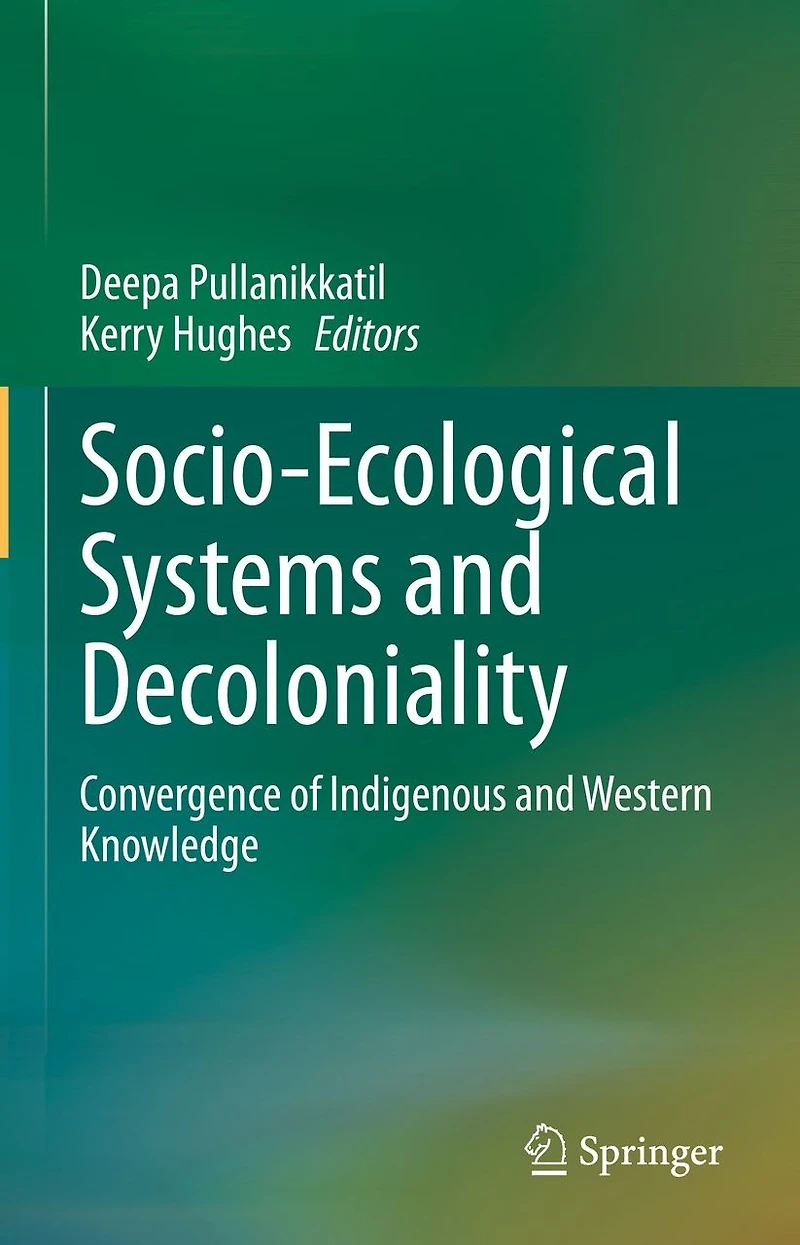
Socio-Ecological Systems and Decoloniality: Convergence of Indigenous Western Knowledge in Bloomington, MN
By Barnes & Noble
Current price: $129.00

Socio-Ecological Systems and Decoloniality: Convergence of Indigenous Western Knowledge in Bloomington, MN
Current price: $129.00
Loading Inventory...
Size: EBook
This contributed volume provides case studies from around the world that feature a convergence of indigenous and western knowledge in an attempt to understand complex socioecological systems. The book provides an understanding of socioecological systems in an ethical space using a 'Decoloniality' approach (i.e. untangling the production of knowledge from a primarily Eurocentric episteme). The work presented here integrates and merges indigenous knowledge with western science, thereby building on the strengths of each in service of understanding these systems. The editors of this volume approach indigenous communities and scientists as equal knowledgeholders and, in doing so, contributes towards improved understanding of socioecological systems and interactions in crosscultural contexts. This volume will be of interest to scientists, instructors, students and policy makers across disciplines such as environmental sciences, social sciences, interdisciplinary studies, cultural studies, ethnobotany, anthropology and plant genetic resources.
This contributed volume provides case studies from around the world that feature a convergence of indigenous and western knowledge in an attempt to understand complex socioecological systems. The book provides an understanding of socioecological systems in an ethical space using a 'Decoloniality' approach (i.e. untangling the production of knowledge from a primarily Eurocentric episteme). The work presented here integrates and merges indigenous knowledge with western science, thereby building on the strengths of each in service of understanding these systems. The editors of this volume approach indigenous communities and scientists as equal knowledgeholders and, in doing so, contributes towards improved understanding of socioecological systems and interactions in crosscultural contexts. This volume will be of interest to scientists, instructors, students and policy makers across disciplines such as environmental sciences, social sciences, interdisciplinary studies, cultural studies, ethnobotany, anthropology and plant genetic resources.
Shop Similar Products













Find at Mall of America® in Bloomington, MN
Visit at Mall of America® in Bloomington, MN