


Home
Shamanism and Violence: Power, Repression Suffering Indigenous Religious Conflicts
Barnes and Noble
Loading Inventory...
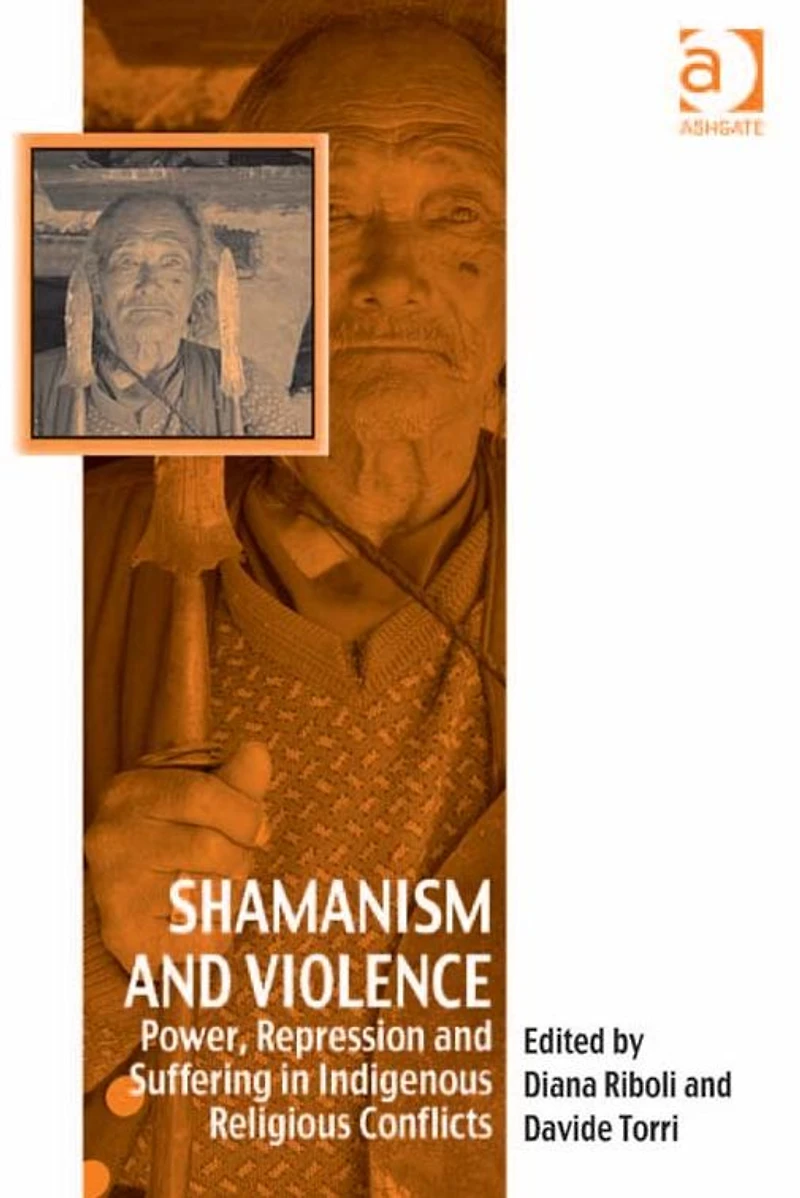
Shamanism and Violence: Power, Repression Suffering Indigenous Religious Conflicts in Bloomington, MN
By Barnes & Noble
Current price: $149.95

Shamanism and Violence: Power, Repression Suffering Indigenous Religious Conflicts in Bloomington, MN
Current price: $149.95
Loading Inventory...
Size: EBook
Proposing a new theoretical framework, this book explores Shamanism’s links with violence from a global perspective. Contributors, renowned anthropologists and authorities in the field, draw on their research in Mongolia, China, Korea, Malaysia, Nepal, India, Siberia, America, Papua New Guinea, Taiwan to investigate how indigenous shamanic cultures dealt, and are still dealing with, varying degrees of internal and external violence. During ceremonies shamans act like hunters and warriors, dealing with many states related to violence, such as collective and individual suffering, attack, conflict and antagonism. Indigenous religious complexes are often called to respond to direct and indirect competition with more established cultural and religious traditions which undermine the sociocultural structure, the sense of identity and the state of well-being of many indigenous groups. This book explores a more sensitive vision of shamanism, closer to the emic views of many indigenous groups.
Proposing a new theoretical framework, this book explores Shamanism’s links with violence from a global perspective. Contributors, renowned anthropologists and authorities in the field, draw on their research in Mongolia, China, Korea, Malaysia, Nepal, India, Siberia, America, Papua New Guinea, Taiwan to investigate how indigenous shamanic cultures dealt, and are still dealing with, varying degrees of internal and external violence. During ceremonies shamans act like hunters and warriors, dealing with many states related to violence, such as collective and individual suffering, attack, conflict and antagonism. Indigenous religious complexes are often called to respond to direct and indirect competition with more established cultural and religious traditions which undermine the sociocultural structure, the sense of identity and the state of well-being of many indigenous groups. This book explores a more sensitive vision of shamanism, closer to the emic views of many indigenous groups.
Shop Similar Products











Find at Mall of America® in Bloomington, MN
Visit at Mall of America® in Bloomington, MN