


Home
Shakespeare and the Culture of Romanticism
Barnes and Noble
Loading Inventory...
Shakespeare and the Culture of Romanticism in Bloomington, MN
By Barnes & Noble
Current price: $79.99

Shakespeare and the Culture of Romanticism in Bloomington, MN
Current price: $79.99
Loading Inventory...
Size: EBook
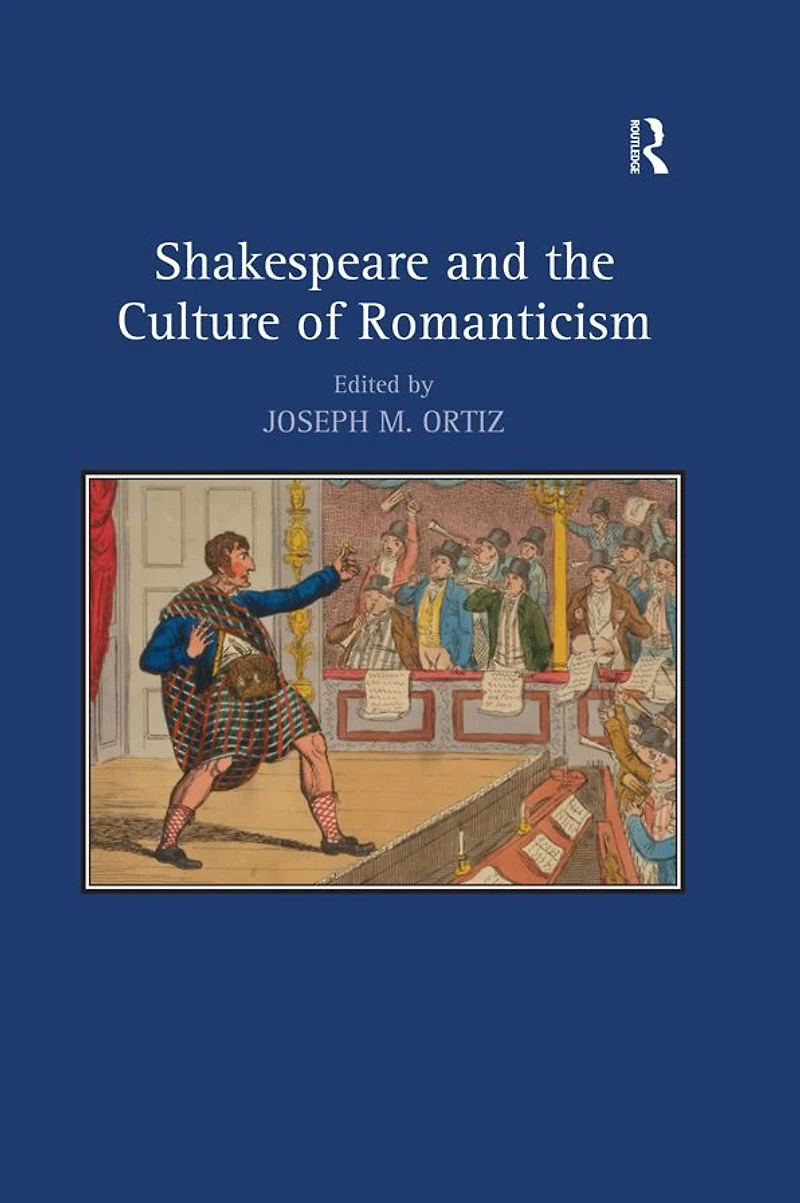
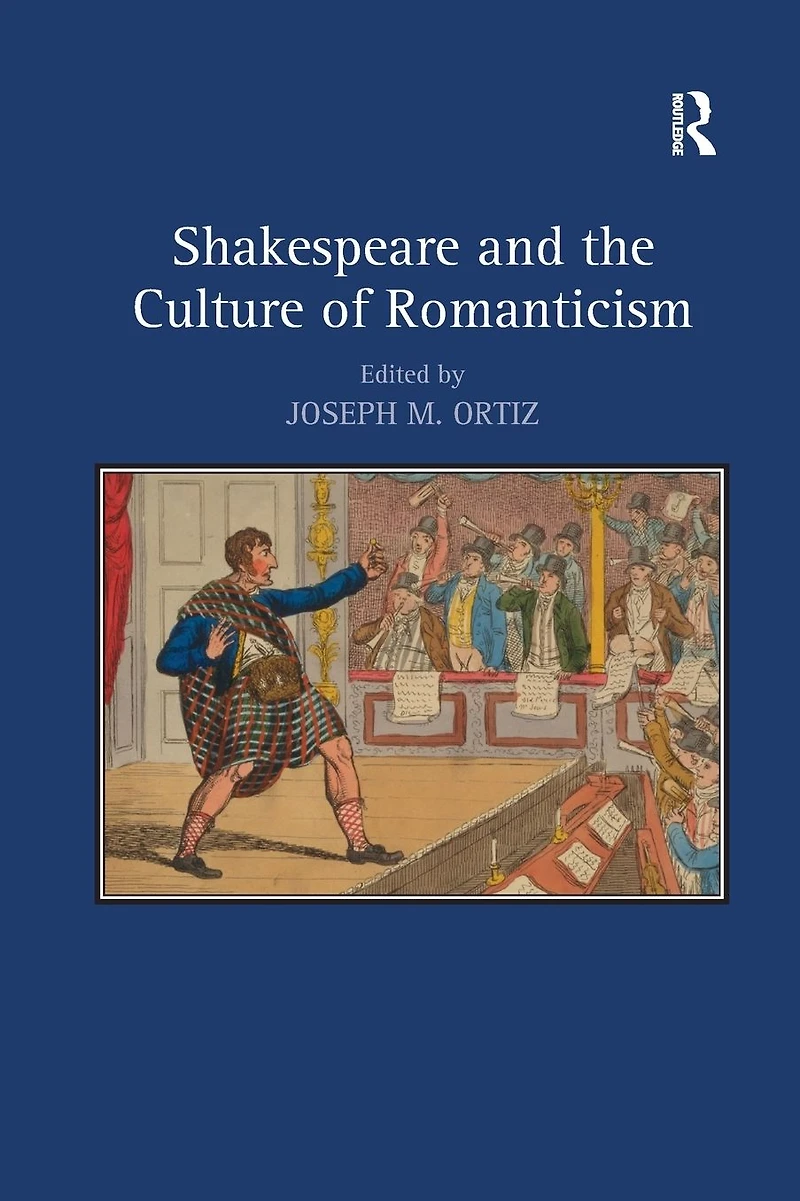
The idea of Shakespearean genius and sublimity is usually understood to be a product of the Romantic period, promulgated by poets such as Coleridge and Byron who promoted Shakespeare as the supreme example of literary genius and creative imagination. However, the picture looks very different when viewed from the perspective of the myriad theater directors, actors, poets, political philosophers, gallery owners, and other professionals in the nineteenth century who turned to Shakespeare to advance their own political, artistic, or commercial interests. Often, as in John Kemble’s staging of The Winter’s Tale at Drury Lane or John Boydell’s marketing of paintings in his Shakespeare Gallery, Shakespeare provided a literal platform on which both artists and entrepreneurs could strive to influence cultural tastes and points of view. At other times, Romantic writers found in Shakespeare’s works a set of rhetorical and theatrical tools through which to form their own public personae, both poetic and political. Women writers in particular often adapted Shakespeare to express their own political and social concerns. Taken together, all of these critical and aesthetic responses attest to the remarkable malleability of the Shakespearean corpus in the Romantic period. As the contributors show, Romantic writers of all persuasions”Whig and Tory, male and female, intellectual and commercial”found in Shakespeare a powerful medium through which to claim authority for their particular interests.
The idea of Shakespearean genius and sublimity is usually understood to be a product of the Romantic period, promulgated by poets such as Coleridge and Byron who promoted Shakespeare as the supreme example of literary genius and creative imagination. However, the picture looks very different when viewed from the perspective of the myriad theater directors, actors, poets, political philosophers, gallery owners, and other professionals in the nineteenth century who turned to Shakespeare to advance their own political, artistic, or commercial interests. Often, as in John Kemble’s staging of The Winter’s Tale at Drury Lane or John Boydell’s marketing of paintings in his Shakespeare Gallery, Shakespeare provided a literal platform on which both artists and entrepreneurs could strive to influence cultural tastes and points of view. At other times, Romantic writers found in Shakespeare’s works a set of rhetorical and theatrical tools through which to form their own public personae, both poetic and political. Women writers in particular often adapted Shakespeare to express their own political and social concerns. Taken together, all of these critical and aesthetic responses attest to the remarkable malleability of the Shakespearean corpus in the Romantic period. As the contributors show, Romantic writers of all persuasions”Whig and Tory, male and female, intellectual and commercial”found in Shakespeare a powerful medium through which to claim authority for their particular interests.
Shop Similar Products







Find at Mall of America® in Bloomington, MN
Visit at Mall of America® in Bloomington, MN