


Home
Self-organizing Coalitions for Managing Complexity: Agent-based Simulation of Evolutionary Game Theory Models using Dynamic Social Networks Interdisciplinary Applications
Barnes and Noble
Loading Inventory...
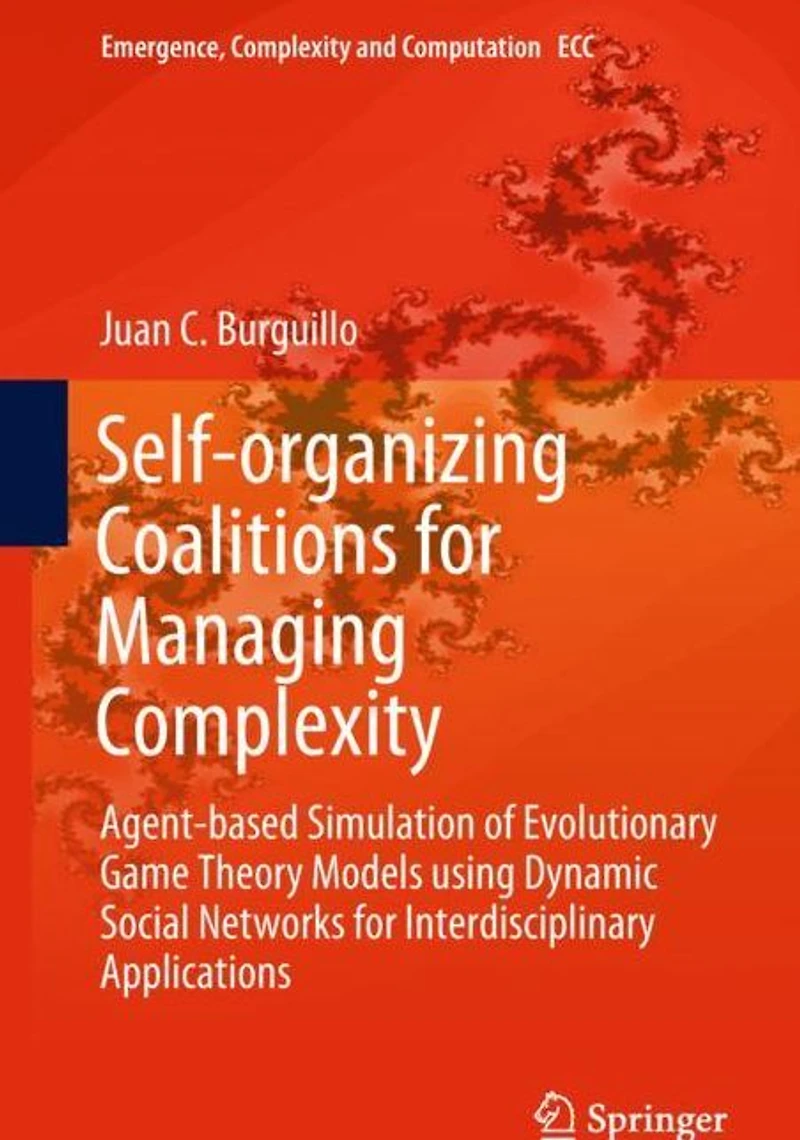
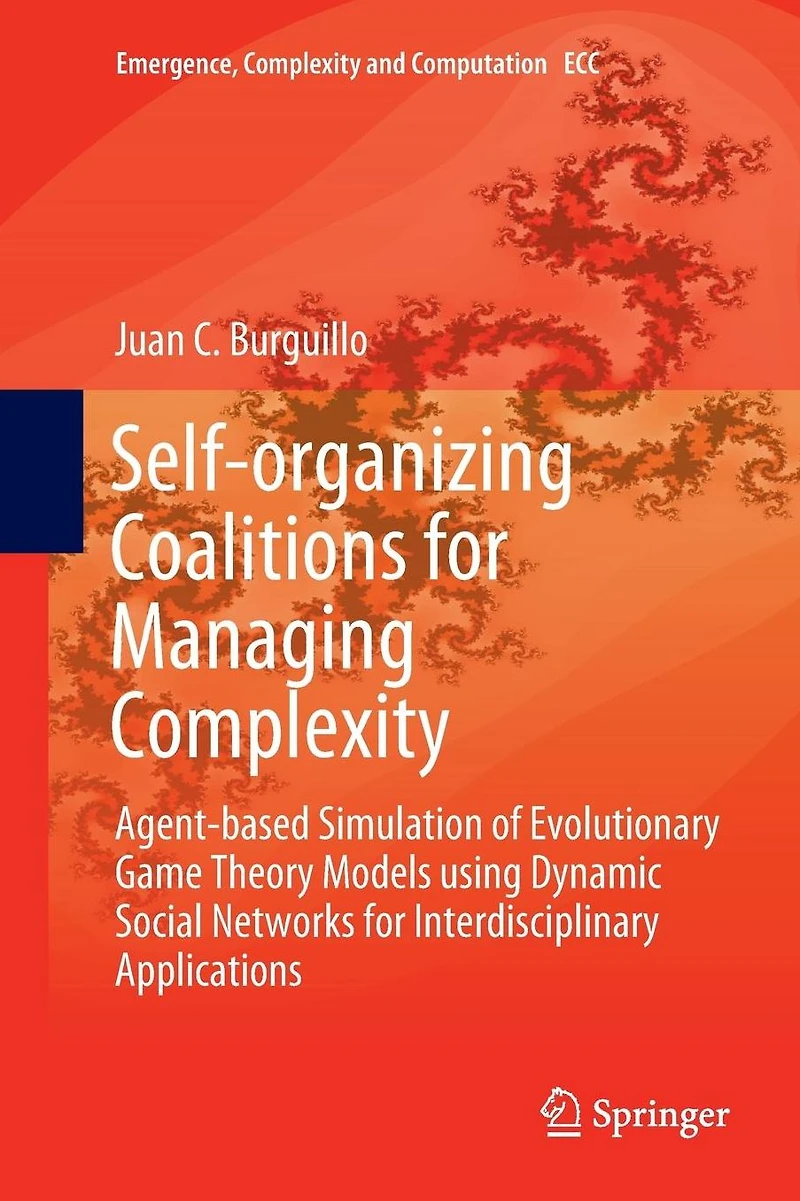
Self-organizing Coalitions for Managing Complexity: Agent-based Simulation of Evolutionary Game Theory Models using Dynamic Social Networks Interdisciplinary Applications in Bloomington, MN
By Barnes & Noble
Current price: $199.99

Self-organizing Coalitions for Managing Complexity: Agent-based Simulation of Evolutionary Game Theory Models using Dynamic Social Networks Interdisciplinary Applications in Bloomington, MN
Current price: $199.99
Loading Inventory...
Size: Hardcover
This book provides an interdisciplinary approach to complexity, combining ideas from areas like complex networks, cellular automata, multi-agent systems, self-organization and game theory. The first part of the book provides an extensive introduction to these areas, while the second explores a range of research scenarios. Lastly, the book presents CellNet, a software framework that offers a hands-on approach to the scenarios described throughout the book. In light of the introductory chapters, the research chapters, and the CellNet simulating framework, this book can be used to teach undergraduate and master’s students in disciplines like artificial intelligence, computer science, applied mathematics, economics and engineering. Moreover, the book will be particularly interesting for Ph.D. and postdoctoral researchers seeking a general perspective on how to design and create their own models.
This book provides an interdisciplinary approach to complexity, combining ideas from areas like complex networks, cellular automata, multi-agent systems, self-organization and game theory. The first part of the book provides an extensive introduction to these areas, while the second explores a range of research scenarios. Lastly, the book presents CellNet, a software framework that offers a hands-on approach to the scenarios described throughout the book. In light of the introductory chapters, the research chapters, and the CellNet simulating framework, this book can be used to teach undergraduate and master’s students in disciplines like artificial intelligence, computer science, applied mathematics, economics and engineering. Moreover, the book will be particularly interesting for Ph.D. and postdoctoral researchers seeking a general perspective on how to design and create their own models.
Shop Similar Products









Find at Mall of America® in Bloomington, MN
Visit at Mall of America® in Bloomington, MN