


Home
Securitization and The Iraq War: rules of engagement world politics
Barnes and Noble
Loading Inventory...
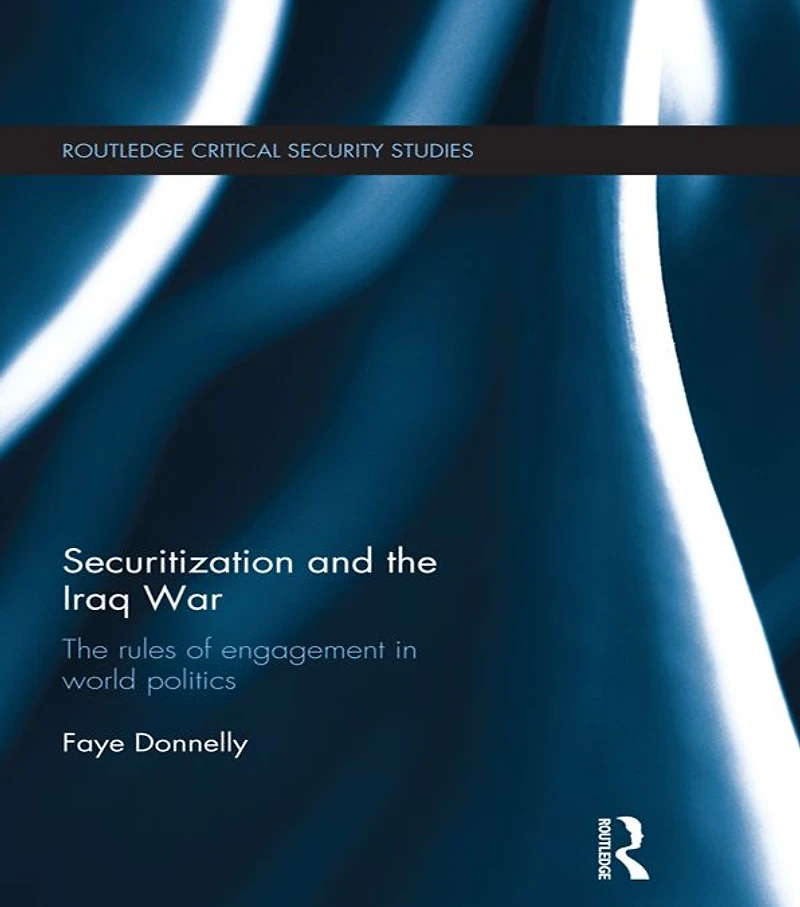
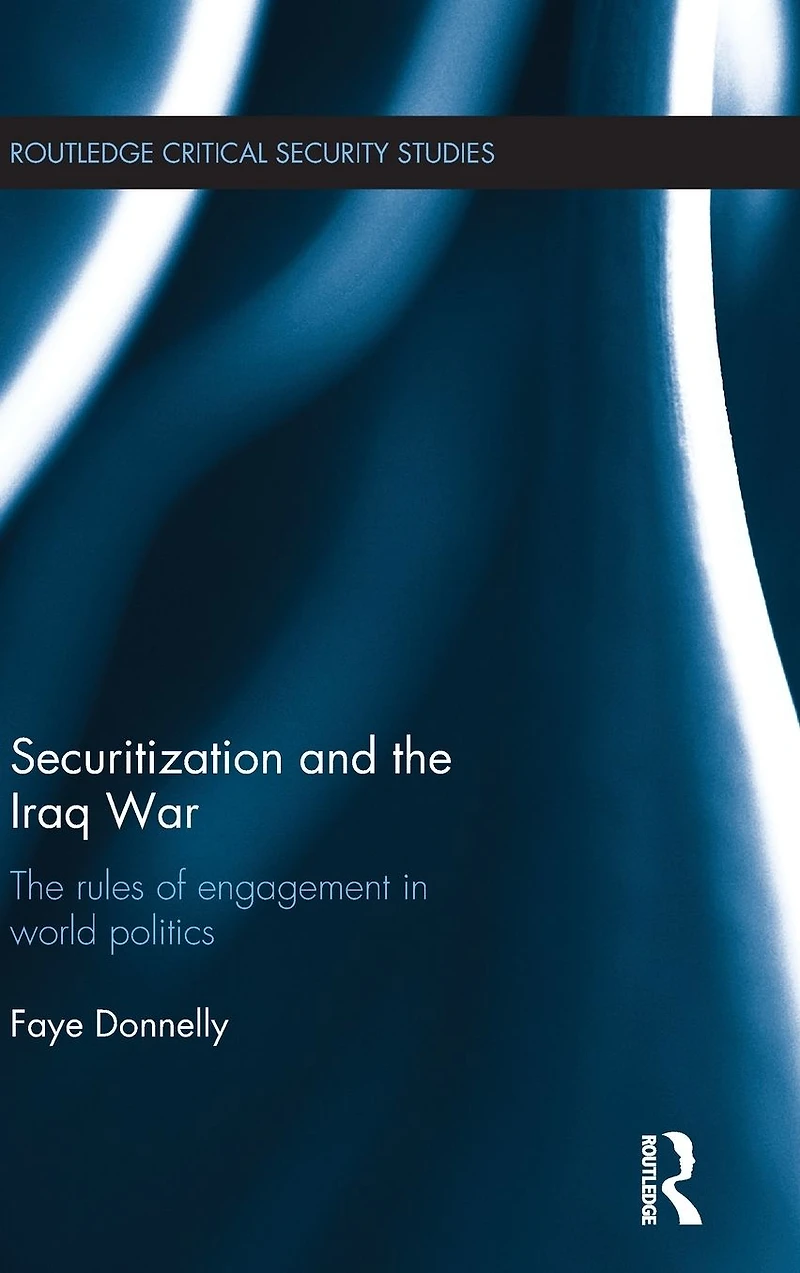
Securitization and The Iraq War: rules of engagement world politics in Bloomington, MN
By Barnes & Noble
Current price: $61.99

Securitization and The Iraq War: rules of engagement world politics in Bloomington, MN
Current price: $61.99
Loading Inventory...
Size: EBook
This book critiques the conceptualization of security found in mainstream and critical theoretical debates, and applies this to the empirical case of the 2003 Iraq War. The Iraq War represents one of the most puzzling, complex, and controversial events in the post-Cold War era. The manner in which the Bush administration finally decided to hold Saddam Hussein accountable through military intervention provoked a worldwide outcry due to the narratives they constructed to justify the "pre-emptive use of force" and "enhanced interrogation techniques." Responding to constructivist and post-structuralist scholars' calls for a turn to discourse, and aligning its argument with critical security studies, particularly the Copenhagen School (CS), this book conceptualizes language as a pivotal mechanism of power. Adopting a Wittgensteinian approach, it moves away from thinking about the nexus between security and language from a single action, or speech act, to a series of actions or interactions. To illustrate this new approach, the author examines two cases in particular: the UN inspectors' finding that there was no credible evidence that Iraq possessed weapons of mass destruction (WMD) in early 2003 and the Abu Ghraib scandal in 2004. Both events show that the boundaries and relations between securitized rules and environments are not pre-given but produced in a particular language game. This book will be of much interest to students of critical security studies, US foreign policy, and IR in general.
This book critiques the conceptualization of security found in mainstream and critical theoretical debates, and applies this to the empirical case of the 2003 Iraq War. The Iraq War represents one of the most puzzling, complex, and controversial events in the post-Cold War era. The manner in which the Bush administration finally decided to hold Saddam Hussein accountable through military intervention provoked a worldwide outcry due to the narratives they constructed to justify the "pre-emptive use of force" and "enhanced interrogation techniques." Responding to constructivist and post-structuralist scholars' calls for a turn to discourse, and aligning its argument with critical security studies, particularly the Copenhagen School (CS), this book conceptualizes language as a pivotal mechanism of power. Adopting a Wittgensteinian approach, it moves away from thinking about the nexus between security and language from a single action, or speech act, to a series of actions or interactions. To illustrate this new approach, the author examines two cases in particular: the UN inspectors' finding that there was no credible evidence that Iraq possessed weapons of mass destruction (WMD) in early 2003 and the Abu Ghraib scandal in 2004. Both events show that the boundaries and relations between securitized rules and environments are not pre-given but produced in a particular language game. This book will be of much interest to students of critical security studies, US foreign policy, and IR in general.
Shop Similar Products







Find at Mall of America® in Bloomington, MN
Visit at Mall of America® in Bloomington, MN