


Home
Sea Change: Ottoman Textiles between the Mediterranean and the Indian Ocean
Barnes and Noble
Loading Inventory...
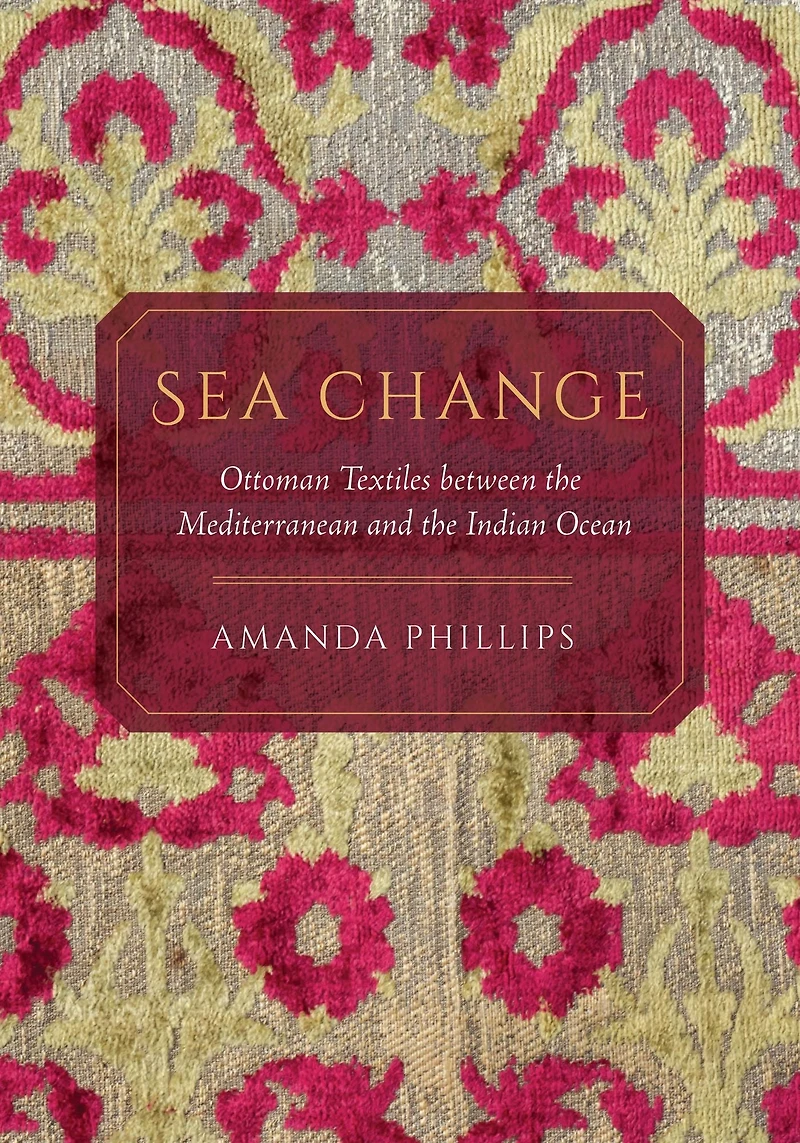
Sea Change: Ottoman Textiles between the Mediterranean and the Indian Ocean in Bloomington, MN
By Barnes & Noble
Current price: $65.00

Sea Change: Ottoman Textiles between the Mediterranean and the Indian Ocean in Bloomington, MN
Current price: $65.00
Loading Inventory...
Size: Hardcover
Textiles were the secondmosttraded commodity in all of world history, preceded only by grain. In the Ottoman Empire in particular, the sale and exchange of silks, cottons, and woolens generated an immense amount of revenue and touched every level of society, from rural women tending silkworms to pashas flaunting layers of watered camlet to merchants traveling to Mecca and beyond. Sea Change offers the first comprehensive history of the Ottoman textile sector, arguing that the trade's enduring success resulted from its openness to expertise and objects from farflung locations. Amanda Phillips skillfully marries art history with social and economic history, integrating formal analysis of various textiles into wider discussions of how trade, technology, and migration impacted the production and consumption of textiles in the Mediterranean from around 1400 to 1800. Surveying a vast network of textile topographies that stretched from India to Italy and from Egypt to Iran, Sea Change illuminates often neglected aspects of material culture, showcasing the objects' ability to tell new kinds of stories.
Textiles were the secondmosttraded commodity in all of world history, preceded only by grain. In the Ottoman Empire in particular, the sale and exchange of silks, cottons, and woolens generated an immense amount of revenue and touched every level of society, from rural women tending silkworms to pashas flaunting layers of watered camlet to merchants traveling to Mecca and beyond. Sea Change offers the first comprehensive history of the Ottoman textile sector, arguing that the trade's enduring success resulted from its openness to expertise and objects from farflung locations. Amanda Phillips skillfully marries art history with social and economic history, integrating formal analysis of various textiles into wider discussions of how trade, technology, and migration impacted the production and consumption of textiles in the Mediterranean from around 1400 to 1800. Surveying a vast network of textile topographies that stretched from India to Italy and from Egypt to Iran, Sea Change illuminates often neglected aspects of material culture, showcasing the objects' ability to tell new kinds of stories.
Shop Similar Products













Find at Mall of America® in Bloomington, MN
Visit at Mall of America® in Bloomington, MN