


Home
Science Denial: Why It Happens and What to Do About
Barnes and Noble
Loading Inventory...
Science Denial: Why It Happens and What to Do About in Bloomington, MN
By Barnes & Noble
Current price: $16.99

Science Denial: Why It Happens and What to Do About in Bloomington, MN
Current price: $16.99
Loading Inventory...
Size: EBook
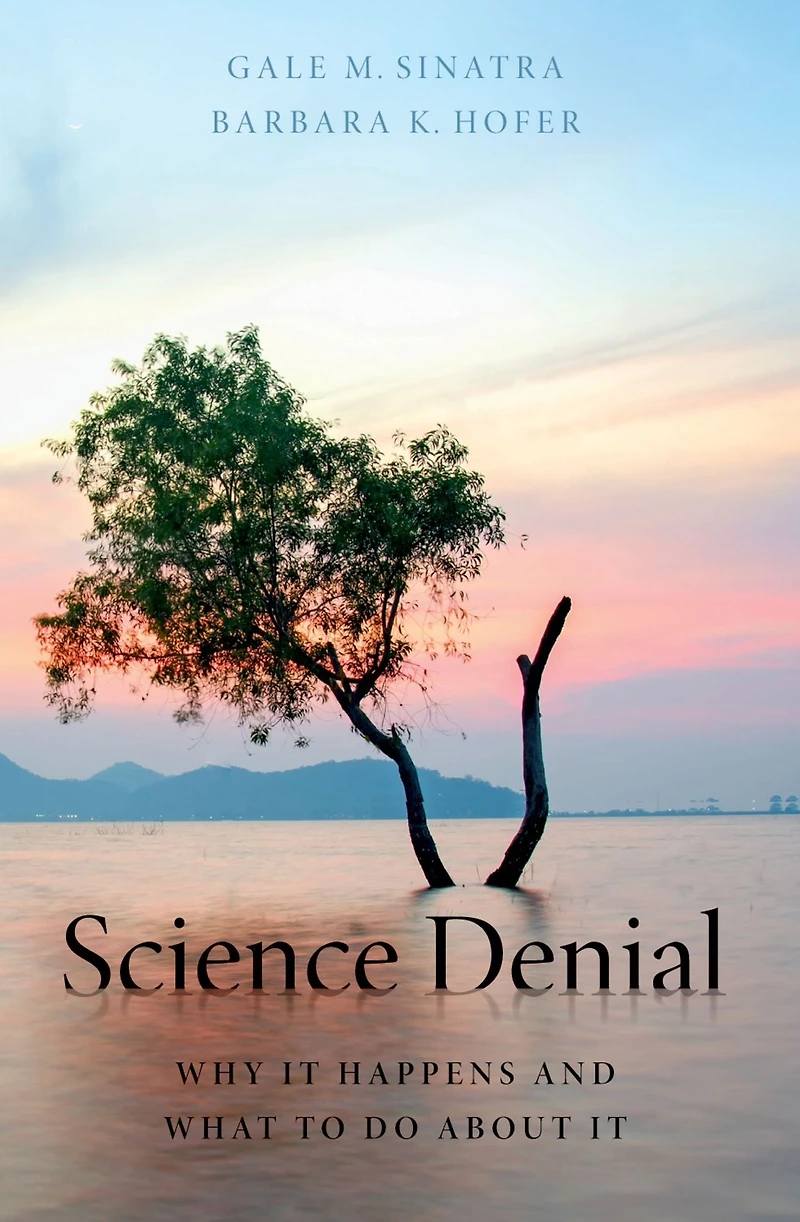
How do individuals decide whether to accept human causes of climate change, vaccinate their children against childhood diseases, or practice social distancing during a pandemic? Democracies depend on educated citizens who can make informed decisions for the benefit of their health and well-being, as well as their communities, nations, and planet. Understanding key psychological explanations for science denial and doubt can help provide a means for improving scientific literacy and understandingcritically important at a time when denial has become deadly. In Science Denial: Why It Happens and What to Do About It, the authors identify the problem and why it matters and offer tools for addressing it. This book explains both the importance of science education and its limitations, shows how science communicators may inadvertently contribute to the problem, and explains how the internet and social media foster misinformation and disinformation. The authors focus on key psychological constructs such as reasoning biases, social identity, epistemic cognition, and emotions and attitudes that limit or facilitate public understanding of science, and describe solutions for individuals, educators, science communicators, and policy makers. If you have ever wondered why science denial exists, want to know how to understand your own biases and those of others, and would like to address the problem, this book will provide the insights you are seeking.
How do individuals decide whether to accept human causes of climate change, vaccinate their children against childhood diseases, or practice social distancing during a pandemic? Democracies depend on educated citizens who can make informed decisions for the benefit of their health and well-being, as well as their communities, nations, and planet. Understanding key psychological explanations for science denial and doubt can help provide a means for improving scientific literacy and understandingcritically important at a time when denial has become deadly. In Science Denial: Why It Happens and What to Do About It, the authors identify the problem and why it matters and offer tools for addressing it. This book explains both the importance of science education and its limitations, shows how science communicators may inadvertently contribute to the problem, and explains how the internet and social media foster misinformation and disinformation. The authors focus on key psychological constructs such as reasoning biases, social identity, epistemic cognition, and emotions and attitudes that limit or facilitate public understanding of science, and describe solutions for individuals, educators, science communicators, and policy makers. If you have ever wondered why science denial exists, want to know how to understand your own biases and those of others, and would like to address the problem, this book will provide the insights you are seeking.
Shop Similar Products








Find at Mall of America® in Bloomington, MN
Visit at Mall of America® in Bloomington, MN