


Home
Saipan 1944: the Most Decisive Battle of Pacific War
Barnes and Noble
Loading Inventory...
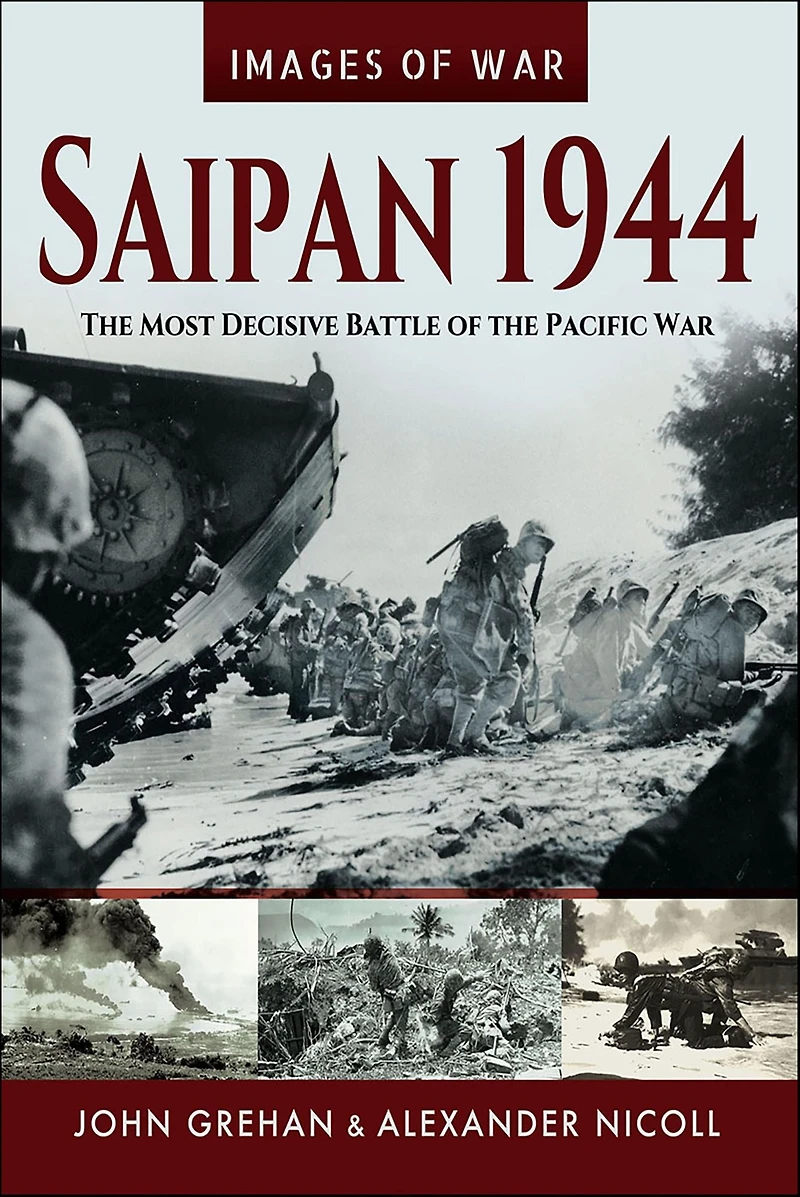
Saipan 1944: the Most Decisive Battle of Pacific War in Bloomington, MN
By Barnes & Noble
Current price: $9.99

Saipan 1944: the Most Decisive Battle of Pacific War in Bloomington, MN
Current price: $9.99
Loading Inventory...
Size: EBook
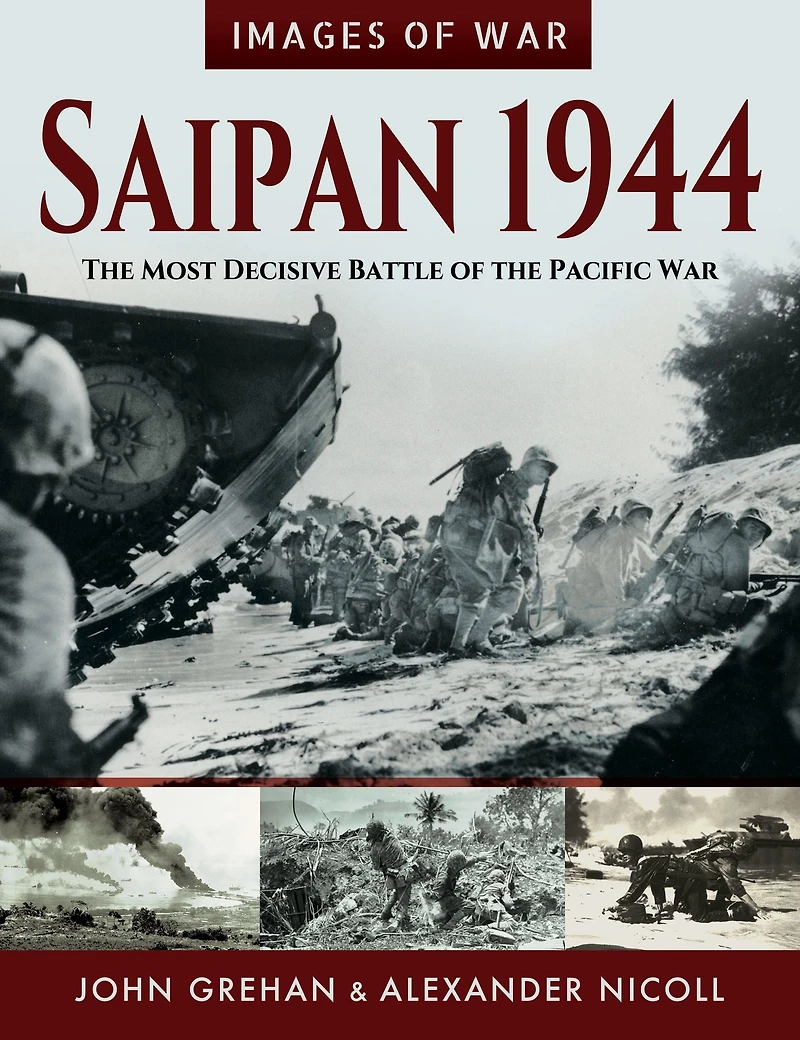
After the Astonishing Japanese Successes of 1941 and early 1942, the Allies began to fight back. Following victories at Guadalcanal, Coral Sea, Midway and other islands in the Pacific, by 1944 the Japanese had been firmly pushed back onto the defensive. Yet there was no sign of an end to the war, as the Japanese mainland remained beyond the reach of land-based heavy bombers. So, in the spring of 1944, the focus of attention turned to the Mariana Islands - Guam, Tinian and Saipan - which were close enough to Tokyo to place the Japanese capital within the operational range of the new Boeing B-29 Superfortress. The landings upon Saipan, the most heavily-defended of the Marianas, began on 15 June 1944. Over the course of more than three weeks, the Japanese defenders defied the might of 71,000 US marines and infantry. However, the storming of the beaches and the mountainous interior came at a high price for the American forces, in what was the most-costly battle to date in the Pacific War. Eventually, after three weeks of savage fighting, the enemy commander, Lieutenant General Yoshitsugu Saito, was left with barely 3,000 able-bodied men - and he ordered them to deliver a final suicide banzai charge. With the wounded limping behind, along with numbers of civilians, the Japanese overran two US battalions, before the attackers were all but wiped out. It was the largest banzai attack of the Pacific War. As well as placing the Americans within striking distance of Tokyo, the capture of Saipan also opened the way for General Douglas MacArthur to mount his invasion of the Philippines and resulted in the resignation of the Japanese Prime Minister Tojo. One Japanese admiral admitted that, 'Our war was lost with the loss of Saipan'. This is a highly illustrated story of what US General Holland Smith called 'the decisive battle of the Pacific offensive'. It was, he added, the offensive that 'opened the way to the Japanese home islands'.
After the Astonishing Japanese Successes of 1941 and early 1942, the Allies began to fight back. Following victories at Guadalcanal, Coral Sea, Midway and other islands in the Pacific, by 1944 the Japanese had been firmly pushed back onto the defensive. Yet there was no sign of an end to the war, as the Japanese mainland remained beyond the reach of land-based heavy bombers. So, in the spring of 1944, the focus of attention turned to the Mariana Islands - Guam, Tinian and Saipan - which were close enough to Tokyo to place the Japanese capital within the operational range of the new Boeing B-29 Superfortress. The landings upon Saipan, the most heavily-defended of the Marianas, began on 15 June 1944. Over the course of more than three weeks, the Japanese defenders defied the might of 71,000 US marines and infantry. However, the storming of the beaches and the mountainous interior came at a high price for the American forces, in what was the most-costly battle to date in the Pacific War. Eventually, after three weeks of savage fighting, the enemy commander, Lieutenant General Yoshitsugu Saito, was left with barely 3,000 able-bodied men - and he ordered them to deliver a final suicide banzai charge. With the wounded limping behind, along with numbers of civilians, the Japanese overran two US battalions, before the attackers were all but wiped out. It was the largest banzai attack of the Pacific War. As well as placing the Americans within striking distance of Tokyo, the capture of Saipan also opened the way for General Douglas MacArthur to mount his invasion of the Philippines and resulted in the resignation of the Japanese Prime Minister Tojo. One Japanese admiral admitted that, 'Our war was lost with the loss of Saipan'. This is a highly illustrated story of what US General Holland Smith called 'the decisive battle of the Pacific offensive'. It was, he added, the offensive that 'opened the way to the Japanese home islands'.







Find at Mall of America® in Bloomington, MN
Visit at Mall of America® in Bloomington, MN