


Home
Sacred Sound and Language in Classical Saiva Siddhanta: A Hermeneutical Approach to Philosophy and Ritual in Early Dualistic Saivism
Barnes and Noble
Loading Inventory...
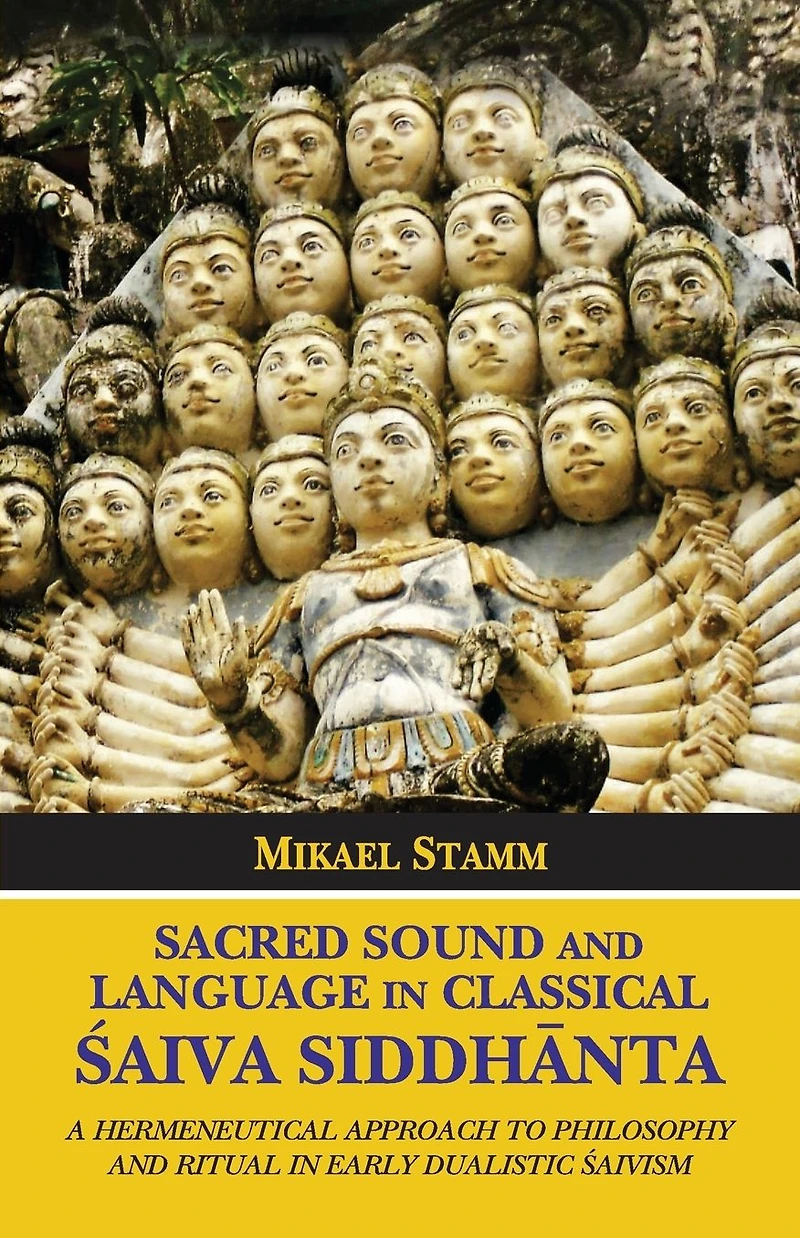
Sacred Sound and Language in Classical Saiva Siddhanta: A Hermeneutical Approach to Philosophy and Ritual in Early Dualistic Saivism in Bloomington, MN
By Barnes & Noble
Current price: $27.00

Sacred Sound and Language in Classical Saiva Siddhanta: A Hermeneutical Approach to Philosophy and Ritual in Early Dualistic Saivism in Bloomington, MN
Current price: $27.00
Loading Inventory...
Size: Paperback
This book explores the implications of the philosophy and theory of language as propounded in the Indian dualist Saiva Siddhanta philosophy. This ancient Siva-tradition is described evolving from its original roots through its early development to its fully established from, which laid the foundation of today's Tamil Saiva philosophy.The author focuses on the translation of Nadakarika by Kashmiri Bhatta Ramakantha, which formulated a theory of sound, speech and meaning. This is explained and highlighted through a discussion of three opposing Indian traditions: The ritualistic Mimamsa, the logicians of the Nyayatradition, and the idealistic school of the grammarian Bhartrhari. The text is analyzed and interpreted as an important contribution to the role and nature of speech in relation to its hidden source, the true self and the outer world.It is the author's intention to show that the tradition of dualist Saiva Siddhanta implies a view on language as a manifestation of an excess of cosmic expressiveness, which the author further connects to the crucial initiation ritual, the diksa, which shows the theory of nada ( subtle sound ) in action through the application of holy mantras. Thus, in the final interpretative part, the path of liberation is seen as an event in a field in which speech manifests, rooted in both ignorance and divine visions. This is related to the later Heidegger's view on art, through which the possibility of the ( re ) appearing of gods is given.
This book explores the implications of the philosophy and theory of language as propounded in the Indian dualist Saiva Siddhanta philosophy. This ancient Siva-tradition is described evolving from its original roots through its early development to its fully established from, which laid the foundation of today's Tamil Saiva philosophy.The author focuses on the translation of Nadakarika by Kashmiri Bhatta Ramakantha, which formulated a theory of sound, speech and meaning. This is explained and highlighted through a discussion of three opposing Indian traditions: The ritualistic Mimamsa, the logicians of the Nyayatradition, and the idealistic school of the grammarian Bhartrhari. The text is analyzed and interpreted as an important contribution to the role and nature of speech in relation to its hidden source, the true self and the outer world.It is the author's intention to show that the tradition of dualist Saiva Siddhanta implies a view on language as a manifestation of an excess of cosmic expressiveness, which the author further connects to the crucial initiation ritual, the diksa, which shows the theory of nada ( subtle sound ) in action through the application of holy mantras. Thus, in the final interpretative part, the path of liberation is seen as an event in a field in which speech manifests, rooted in both ignorance and divine visions. This is related to the later Heidegger's view on art, through which the possibility of the ( re ) appearing of gods is given.
Shop Similar Products

















Find at Mall of America® in Bloomington, MN
Visit at Mall of America® in Bloomington, MN