


Home
Rules of Use: Language and Instruction Early Modern England
Barnes and Noble
Loading Inventory...
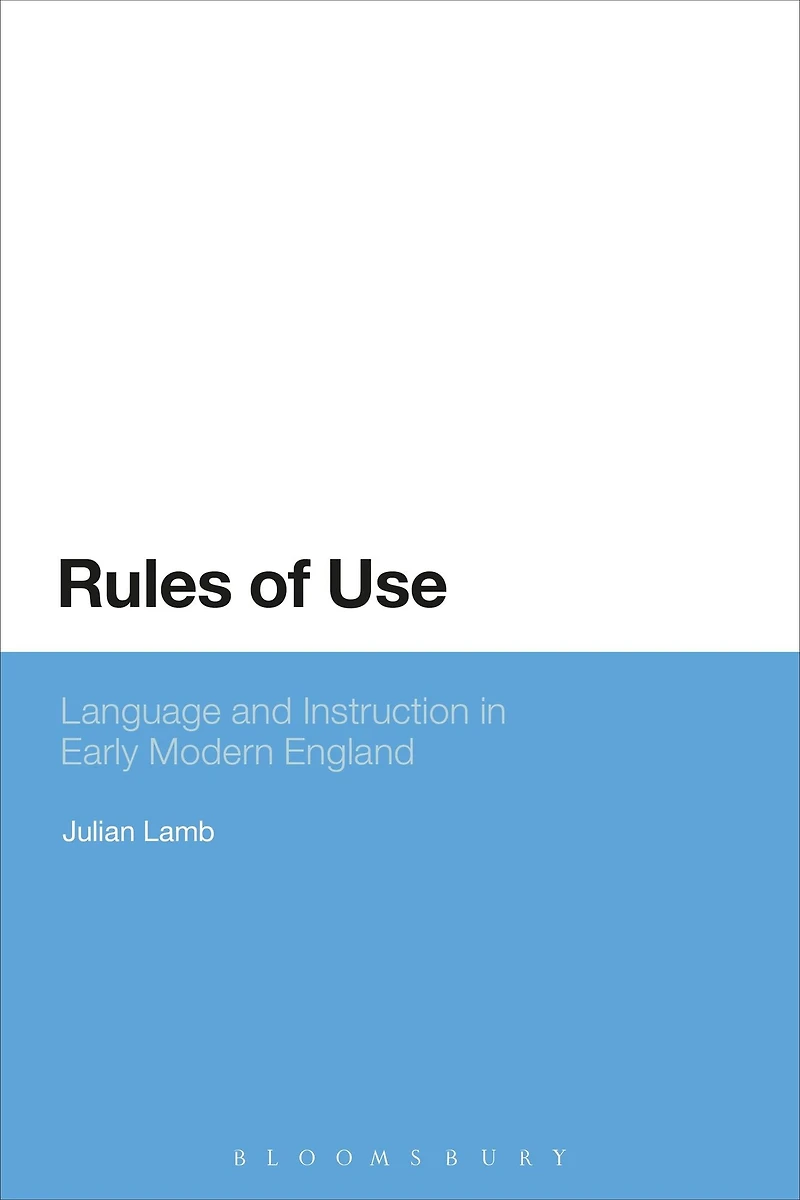
Rules of Use: Language and Instruction Early Modern England in Bloomington, MN
By Barnes & Noble
Current price: $47.65

Rules of Use: Language and Instruction Early Modern England in Bloomington, MN
Current price: $47.65
Loading Inventory...
Size: EBook
We take it for granted that we can use words properly – appropriately, meaningfully, even decorously. And yet it is very difficult to justify or explain what makes a particular use "proper." Given that properness is determined by the unpredictable vagaries of unrepeatable contexts, it is impossible to formulate an absolute rule which tells what is proper in every situation.In its four case studies of texts by Ascham, Puttenham, Mulcaster, and the first English dictionary writers, Rules of Use shows the way in which early modern pedagogues attempted to articulate such a rule whilst being mindful that proper use can neither be determined by any single rule, nor definitively described in examples.Using the philosophy of Ludwig Wittgenstein, and Stanley Cavell's influential reading of it, Rules of Use argues that early modern pedagogues became entangled in a sceptical problem: aspiring to formulate a definitive rule of proper use, their own instruction begins to appear uncertain and lacking in assurance when they find such a rule cannot be expressed.
We take it for granted that we can use words properly – appropriately, meaningfully, even decorously. And yet it is very difficult to justify or explain what makes a particular use "proper." Given that properness is determined by the unpredictable vagaries of unrepeatable contexts, it is impossible to formulate an absolute rule which tells what is proper in every situation.In its four case studies of texts by Ascham, Puttenham, Mulcaster, and the first English dictionary writers, Rules of Use shows the way in which early modern pedagogues attempted to articulate such a rule whilst being mindful that proper use can neither be determined by any single rule, nor definitively described in examples.Using the philosophy of Ludwig Wittgenstein, and Stanley Cavell's influential reading of it, Rules of Use argues that early modern pedagogues became entangled in a sceptical problem: aspiring to formulate a definitive rule of proper use, their own instruction begins to appear uncertain and lacking in assurance when they find such a rule cannot be expressed.
Shop Similar Products












Find at Mall of America® in Bloomington, MN
Visit at Mall of America® in Bloomington, MN