


Home
Role of Circular Economy Resource Sustainability
Barnes and Noble
Loading Inventory...
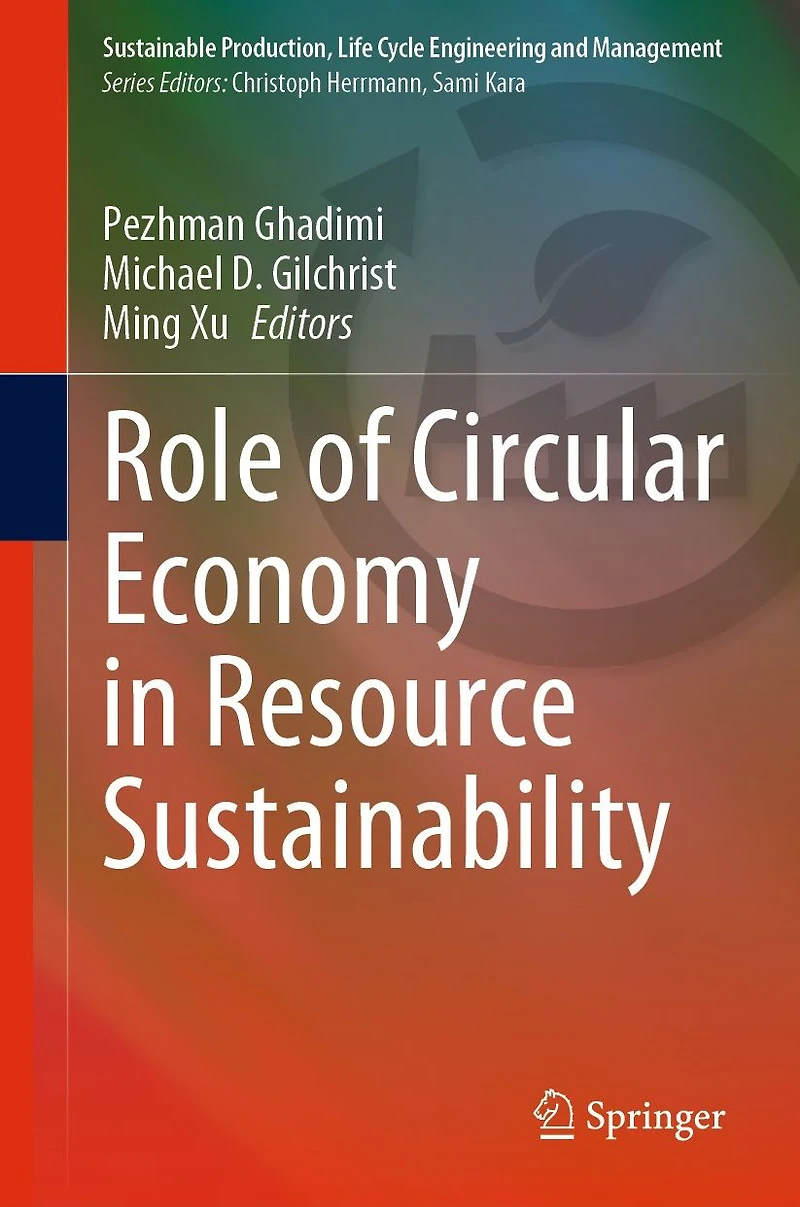
Role of Circular Economy Resource Sustainability in Bloomington, MN
By Barnes & Noble
Current price: $159.00

Role of Circular Economy Resource Sustainability in Bloomington, MN
Current price: $159.00
Loading Inventory...
Size: EBook
This book aims to provide academic and industrial applications advancing the critical role of circular economy principles in the sustainability of various resources. The latest research and practice in resource sustainability are shared, discussed, and promoted. The core competency of this book revolves around providing recent advances in sustainable consumption and production implementations, developed tools for environmental and sustainability assessment, technological advancements in resource and waste management/treatment, and advances in waste reduction, reuse, recycling, and recovery. Resources are defined broadly to include (1) physical resources: metals, nonmetallic minerals, energy, and water (2) biological resources: food, forestry, land, ecological systems, etc., and (3) “misplaced” resources: air emissions, water pollutants, and solid waste. Finally, legislation, and policy implications and recommendations for resources sustainability are concluded.
This book aims to provide academic and industrial applications advancing the critical role of circular economy principles in the sustainability of various resources. The latest research and practice in resource sustainability are shared, discussed, and promoted. The core competency of this book revolves around providing recent advances in sustainable consumption and production implementations, developed tools for environmental and sustainability assessment, technological advancements in resource and waste management/treatment, and advances in waste reduction, reuse, recycling, and recovery. Resources are defined broadly to include (1) physical resources: metals, nonmetallic minerals, energy, and water (2) biological resources: food, forestry, land, ecological systems, etc., and (3) “misplaced” resources: air emissions, water pollutants, and solid waste. Finally, legislation, and policy implications and recommendations for resources sustainability are concluded.
Shop Similar Products







Find at Mall of America® in Bloomington, MN
Visit at Mall of America® in Bloomington, MN