


Home
Rocky Mountain Divide: Selling and Saving the West
Barnes and Noble
Loading Inventory...
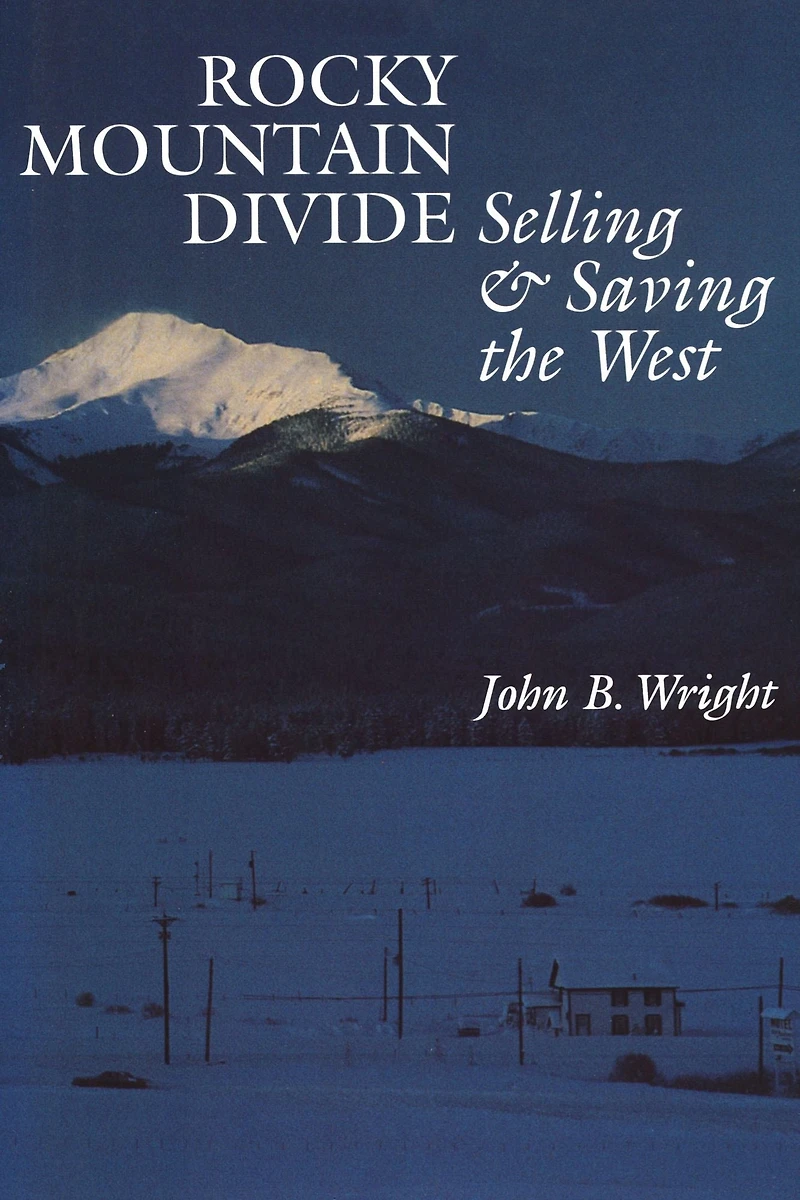
Rocky Mountain Divide: Selling and Saving the West in Bloomington, MN
By Barnes & Noble
Current price: $28.95

Rocky Mountain Divide: Selling and Saving the West in Bloomington, MN
Current price: $28.95
Loading Inventory...
Size: EBook
The opposing forces of conservation and development have shaped and will continue to shape the natural environment and scenic beauty of the American West. Perhaps nowhere are their opposite effects more visible than in the neighboring states of Colorado and Utah, so alike in their spectacular mountain environments, yet so different in their approaches to land conservation. This study explores why Colorado has over twenty-five land trusts, while Utah has only one. John Wright traces the success of voluntary land conservation in Colorado to the state’s history as a region of secular commerce. As environmental consciousness has grown in Colorado, people there have embraced the businesslike approach of land trusts as simply a new, more responsible way of conducting the real estate business. In Utah, by contrast, Wright finds that Mormon millennialism and the belief that growth equals success have created a public climate opposed to the formation of land trusts. As Wright puts it, "environmentalism seems to thrive in the Centennial state within the spiritual vacuum which is filled by Mormonism in Utah." These findings remind conservationists of the power of underlying cultural values that affect their efforts to preserve private lands.
The opposing forces of conservation and development have shaped and will continue to shape the natural environment and scenic beauty of the American West. Perhaps nowhere are their opposite effects more visible than in the neighboring states of Colorado and Utah, so alike in their spectacular mountain environments, yet so different in their approaches to land conservation. This study explores why Colorado has over twenty-five land trusts, while Utah has only one. John Wright traces the success of voluntary land conservation in Colorado to the state’s history as a region of secular commerce. As environmental consciousness has grown in Colorado, people there have embraced the businesslike approach of land trusts as simply a new, more responsible way of conducting the real estate business. In Utah, by contrast, Wright finds that Mormon millennialism and the belief that growth equals success have created a public climate opposed to the formation of land trusts. As Wright puts it, "environmentalism seems to thrive in the Centennial state within the spiritual vacuum which is filled by Mormonism in Utah." These findings remind conservationists of the power of underlying cultural values that affect their efforts to preserve private lands.
Shop Similar Products












Find at Mall of America® in Bloomington, MN
Visit at Mall of America® in Bloomington, MN