


Home
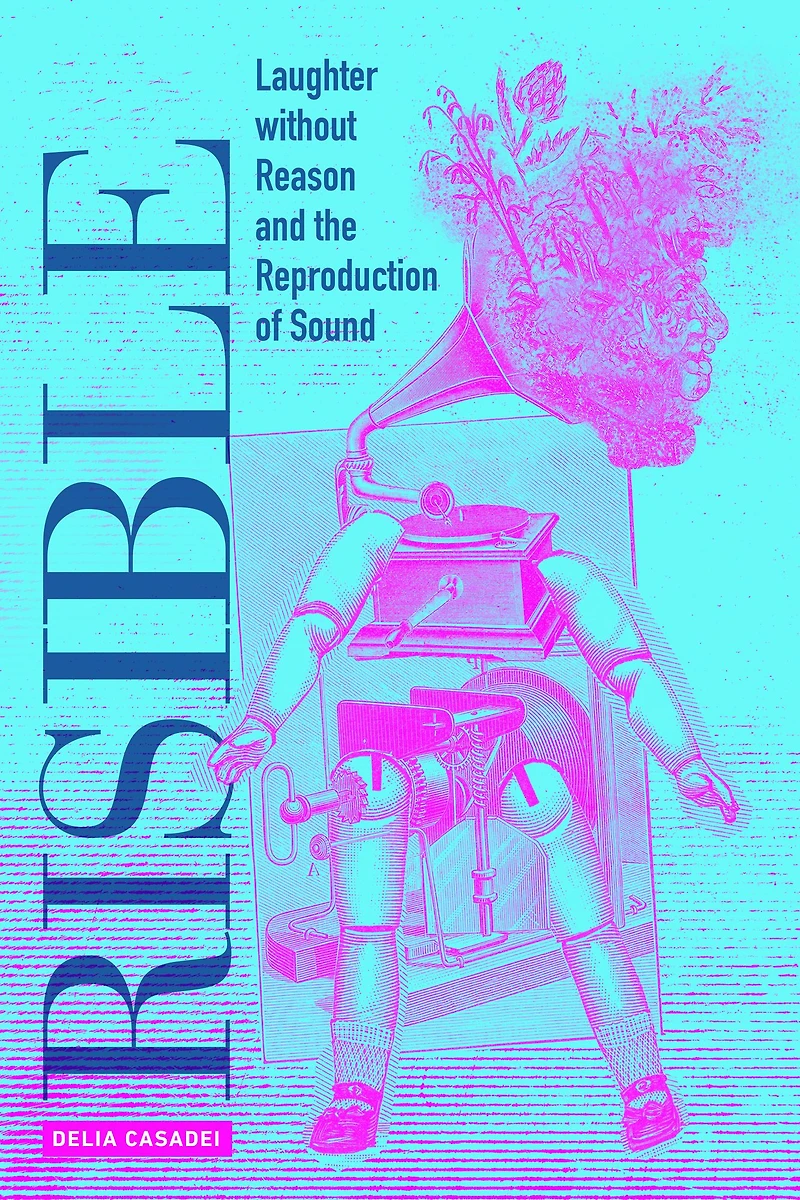
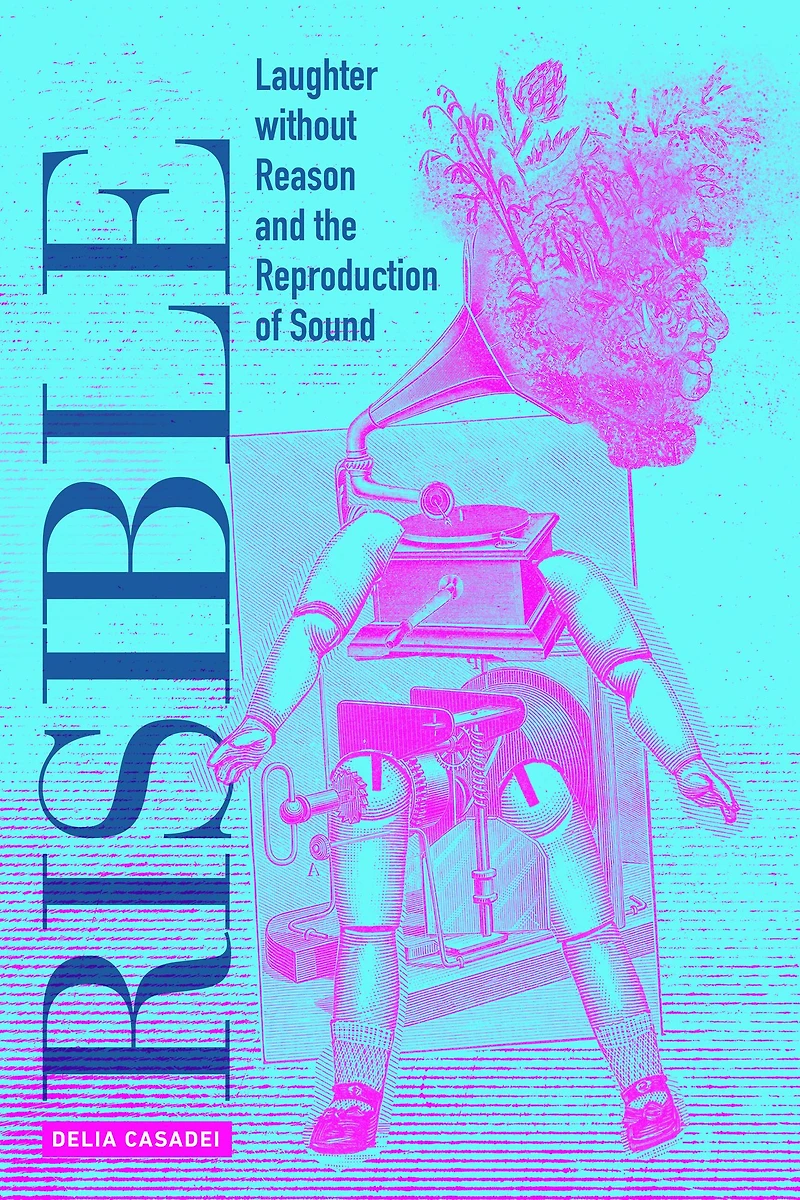
Risible: Laughter without Reason and the Reproduction of Sound
Barnes and Noble
Loading Inventory...
Risible: Laughter without Reason and the Reproduction of Sound in Bloomington, MN
By Barnes & Noble
Current price: $12.99

Risible: Laughter without Reason and the Reproduction of Sound in Bloomington, MN
Current price: $12.99
Loading Inventory...
Size: EBook
A free ebook version of this title is available through Luminos, University of California Press’s Open Access publishing program. Visit www.luminosoa.org to learn more.Risible explores the forgotten history of laughter, from ancient Greece to the sitcom stages of Hollywood. Delia Casadei approaches laughter not as a phenomenon that can be accounted for by studies of humor and theories of comedy but rather as a technique of the human body, knowable by its repetitive, clipped, and proliferating sound and its enduring links to the capacity for language and reproduction. This buried genealogy of laughter reemerges with explosive force thanks to the binding of laughter to sound reproduction technology in the late nineteenth century. Analyzing case studies ranging from the early global market for phonographic laughing songs to the McCarthyera rise of prerecorded laugh tracks, Casadei convincingly demonstrates how laughter was central to the twentieth century’s development of the very category of sound as notquitehuman, unintelligible, reproductive, reproducible, and contagious.
A free ebook version of this title is available through Luminos, University of California Press’s Open Access publishing program. Visit www.luminosoa.org to learn more.Risible explores the forgotten history of laughter, from ancient Greece to the sitcom stages of Hollywood. Delia Casadei approaches laughter not as a phenomenon that can be accounted for by studies of humor and theories of comedy but rather as a technique of the human body, knowable by its repetitive, clipped, and proliferating sound and its enduring links to the capacity for language and reproduction. This buried genealogy of laughter reemerges with explosive force thanks to the binding of laughter to sound reproduction technology in the late nineteenth century. Analyzing case studies ranging from the early global market for phonographic laughing songs to the McCarthyera rise of prerecorded laugh tracks, Casadei convincingly demonstrates how laughter was central to the twentieth century’s development of the very category of sound as notquitehuman, unintelligible, reproductive, reproducible, and contagious.
Shop Similar Products
















Find at Mall of America® in Bloomington, MN
Visit at Mall of America® in Bloomington, MN