


Home
Rethinking the Rhetorical Presidency
Barnes and Noble
Loading Inventory...
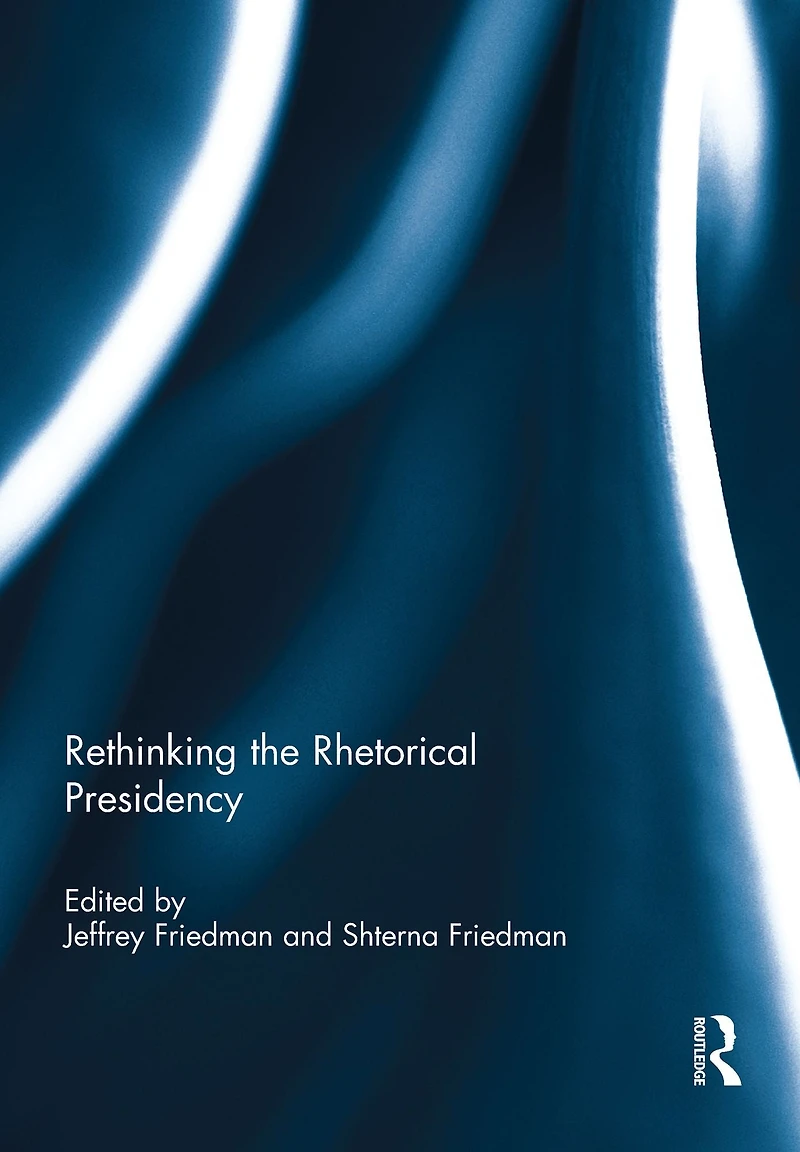
Rethinking the Rhetorical Presidency in Bloomington, MN
By Barnes & Noble
Current price: $72.99

Rethinking the Rhetorical Presidency in Bloomington, MN
Current price: $72.99
Loading Inventory...
Size: EBook
In The Rhetorical Presidency, Jeffrey Tulis argues that the president’s relationship to the public has changed dramatically since the Constitution was enacted: while previously the president avoided any discussions of public policy so as to avoid demagoguery, the president is now expected to go directly to the public, using all the tools of rhetoric to influence public policy. This has effectively created a "second" Constitution that has been layered over, and in part contradicts, the original one. In our volume, scholars from different subfields of political science extend Tulis’s perspective to the judiciary and Congress; locate the origins of the constitutional change in the Progressive Era; highlight the role of Theodore Roosevelt, Woodrow Wilson, and the mass media in transforming the presidency; discuss the nature of demagoguery and whether, in fact, rhetoric is undesirable; and relate the rhetorical presidency to the public’s ignorance of the workings of a government more complex than the Founders imagined. This book was originally published as a special issue of Critical Review: A Journal of Politics and Society.
In The Rhetorical Presidency, Jeffrey Tulis argues that the president’s relationship to the public has changed dramatically since the Constitution was enacted: while previously the president avoided any discussions of public policy so as to avoid demagoguery, the president is now expected to go directly to the public, using all the tools of rhetoric to influence public policy. This has effectively created a "second" Constitution that has been layered over, and in part contradicts, the original one. In our volume, scholars from different subfields of political science extend Tulis’s perspective to the judiciary and Congress; locate the origins of the constitutional change in the Progressive Era; highlight the role of Theodore Roosevelt, Woodrow Wilson, and the mass media in transforming the presidency; discuss the nature of demagoguery and whether, in fact, rhetoric is undesirable; and relate the rhetorical presidency to the public’s ignorance of the workings of a government more complex than the Founders imagined. This book was originally published as a special issue of Critical Review: A Journal of Politics and Society.
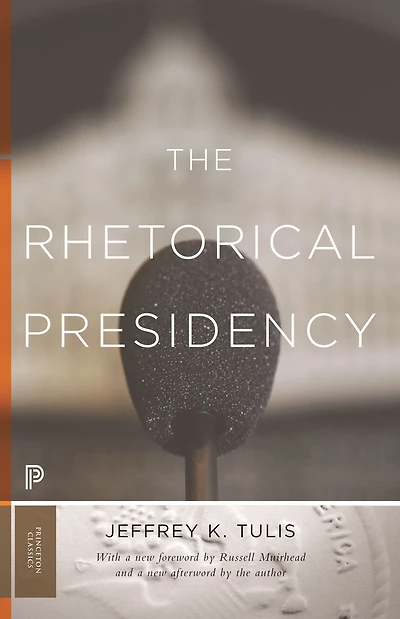
Shop Similar Products








Find at Mall of America® in Bloomington, MN
Visit at Mall of America® in Bloomington, MN