


Home
Restorative Justice for Juveniles
Barnes and Noble
Loading Inventory...
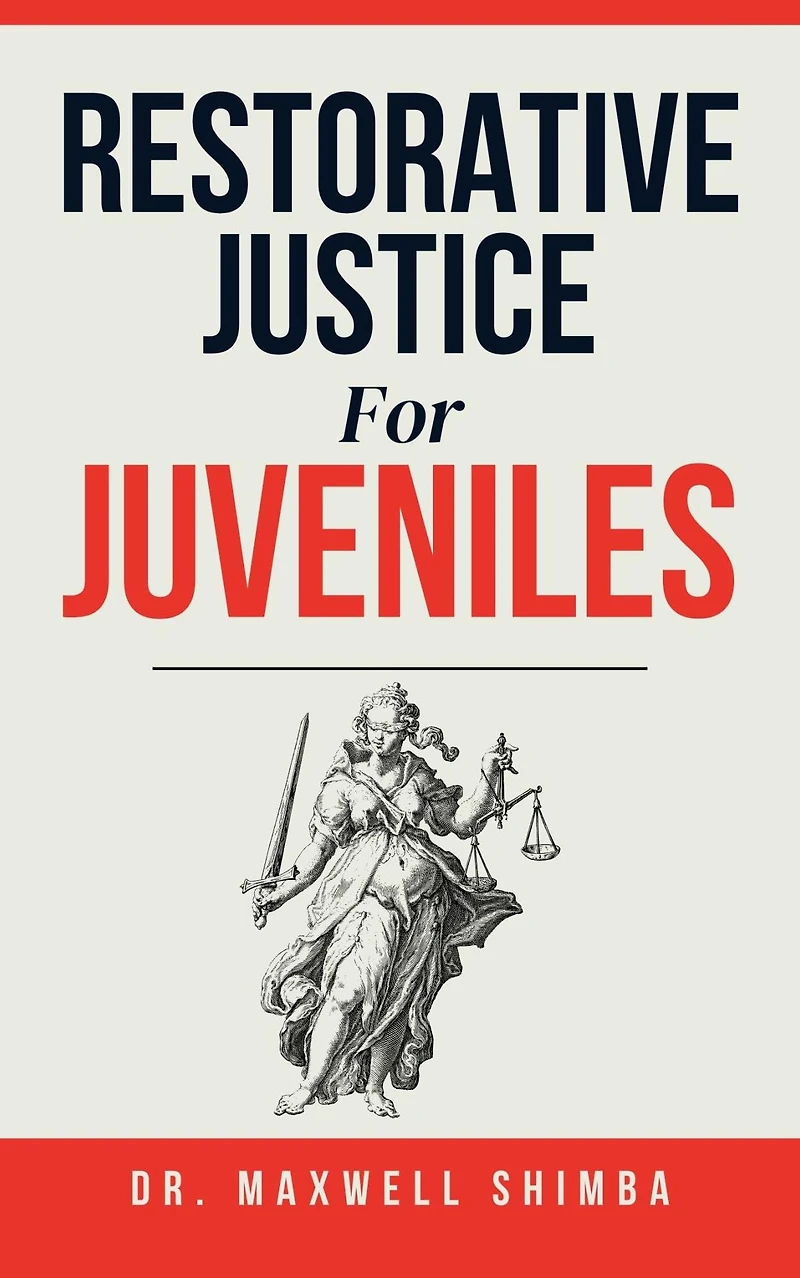
Restorative Justice for Juveniles in Bloomington, MN
By Barnes & Noble
Current price: $7.99

Restorative Justice for Juveniles in Bloomington, MN
Current price: $7.99
Loading Inventory...
Size: EBook
"Restorative Justice for Juveniles" by Dr. Maxwell Shimba presents a transformative approach to dealing with juvenile delinquency, highlighting the limitations of traditional punitive measures and offering restorative justice as a compassionate alternative. In this book, Dr. Shimba meticulously explores the principles of restorative justice, emphasizing accountability, empathy, and community involvement as key elements in rehabilitating young offenders. The book underscores the importance of addressing the harm caused by juvenile crime while simultaneously guiding offenders toward personal growth and reintegration into society.Dr. Shimba emphasizes the victim-centered nature of restorative justice, showcasing how it provides victims with a platform to express their needs and participate in the healing process. This contrasts sharply with conventional criminal justice methods, where victims often feel sidelined. By fostering dialogue between victims, offenders, and the community, restorative justice not only aids in repairing the damage done but also strengthens relationships and promotes a sense of closure for everyone involved. The book also discusses how restorative justice contributes to reduced recidivism rates, improved offender accountability, and more cohesive communities.Throughout "Restorative Justice for Juveniles," Dr. Shimba draws on real-world case studies and practical applications, demonstrating how restorative practices can be successfully implemented in juvenile cases. He provides a detailed overview of victim-offender dialogues, community circles, and mediation conferences, illustrating how these practices are used to create meaningful outcomes for both victims and offenders. Dr. Shimba's work serves as an essential guide for professionals, policymakers, and community leaders seeking to adopt restorative justice principles in the juvenile justice system, ultimately advocating for a more humane and effective approach to youth rehabilitation.
"Restorative Justice for Juveniles" by Dr. Maxwell Shimba presents a transformative approach to dealing with juvenile delinquency, highlighting the limitations of traditional punitive measures and offering restorative justice as a compassionate alternative. In this book, Dr. Shimba meticulously explores the principles of restorative justice, emphasizing accountability, empathy, and community involvement as key elements in rehabilitating young offenders. The book underscores the importance of addressing the harm caused by juvenile crime while simultaneously guiding offenders toward personal growth and reintegration into society.Dr. Shimba emphasizes the victim-centered nature of restorative justice, showcasing how it provides victims with a platform to express their needs and participate in the healing process. This contrasts sharply with conventional criminal justice methods, where victims often feel sidelined. By fostering dialogue between victims, offenders, and the community, restorative justice not only aids in repairing the damage done but also strengthens relationships and promotes a sense of closure for everyone involved. The book also discusses how restorative justice contributes to reduced recidivism rates, improved offender accountability, and more cohesive communities.Throughout "Restorative Justice for Juveniles," Dr. Shimba draws on real-world case studies and practical applications, demonstrating how restorative practices can be successfully implemented in juvenile cases. He provides a detailed overview of victim-offender dialogues, community circles, and mediation conferences, illustrating how these practices are used to create meaningful outcomes for both victims and offenders. Dr. Shimba's work serves as an essential guide for professionals, policymakers, and community leaders seeking to adopt restorative justice principles in the juvenile justice system, ultimately advocating for a more humane and effective approach to youth rehabilitation.
Shop Similar Products








Find at Mall of America® in Bloomington, MN
Visit at Mall of America® in Bloomington, MN