


Home
Representing (Post)Human Enhancement Technologies Twenty-First Century US Fiction
Barnes and Noble
Loading Inventory...
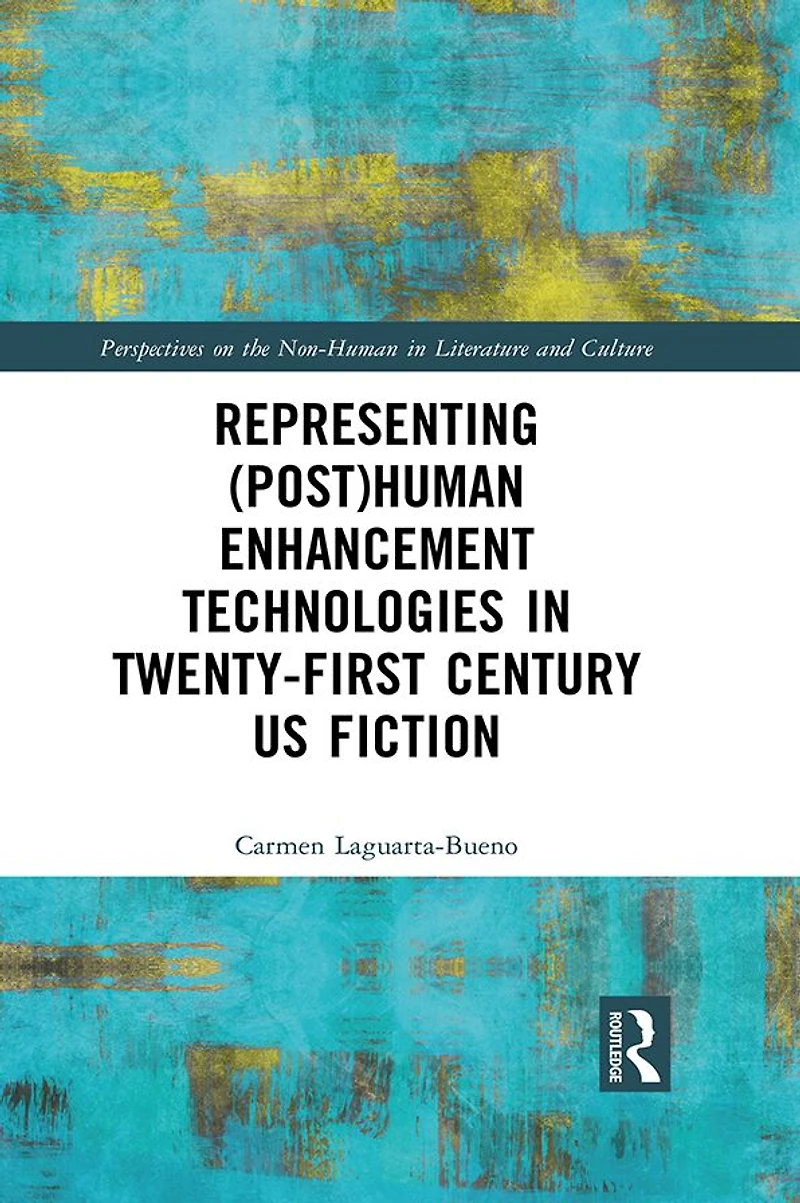

Representing (Post)Human Enhancement Technologies Twenty-First Century US Fiction in Bloomington, MN
By Barnes & Noble
Current price: $60.99

Representing (Post)Human Enhancement Technologies Twenty-First Century US Fiction in Bloomington, MN
Current price: $60.99
Loading Inventory...
Size: EBook
This work studies three twenty-first century novels by Richard Powers, Dave Eggers and Don DeLillo as representative of a new trend of US fiction concerned with the topic of the technological augmentation of the human condition. The different chapters provide, from the double perspective of the optimistic transhumanist philosophy and the more balanced approach of critical posthumanism, an overview of the narrative strategies used by the writers to explore the possibilities that biotechnology, digital technologies and cryonics open up to transcend our human limitations, while also warning their readers of their most nefarious consequences. Ultimately, the book puts forward the claim that even if the writers approach the subject from a variety of perspectives and using different narrative styles and techniques, they all share a critical posthumanist fear that an unrestrained and unquestioned use of technology for enhancement purposes may bring about disembodiment and dehumanization.
This work studies three twenty-first century novels by Richard Powers, Dave Eggers and Don DeLillo as representative of a new trend of US fiction concerned with the topic of the technological augmentation of the human condition. The different chapters provide, from the double perspective of the optimistic transhumanist philosophy and the more balanced approach of critical posthumanism, an overview of the narrative strategies used by the writers to explore the possibilities that biotechnology, digital technologies and cryonics open up to transcend our human limitations, while also warning their readers of their most nefarious consequences. Ultimately, the book puts forward the claim that even if the writers approach the subject from a variety of perspectives and using different narrative styles and techniques, they all share a critical posthumanist fear that an unrestrained and unquestioned use of technology for enhancement purposes may bring about disembodiment and dehumanization.
Shop Similar Products


















Find at Mall of America® in Bloomington, MN
Visit at Mall of America® in Bloomington, MN