


Home
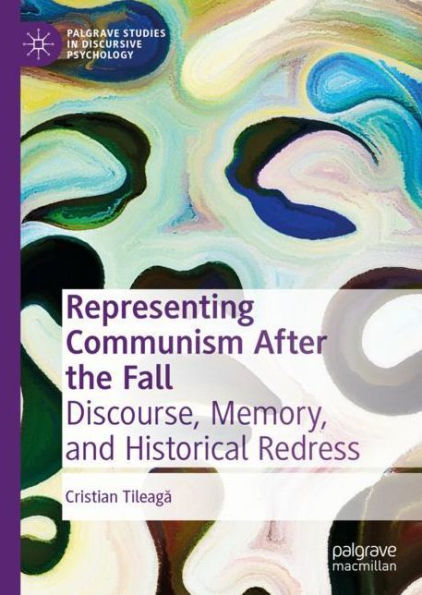
Representing Communism After the Fall: Discourse, Memory, and Historical Redress
Barnes and Noble
Loading Inventory...
Representing Communism After the Fall: Discourse, Memory, and Historical Redress in Bloomington, MN
Current price: $54.99

Representing Communism After the Fall: Discourse, Memory, and Historical Redress in Bloomington, MN
Current price: $54.99
Loading Inventory...
Size: Hardcover
This book explores the contribution of discursive psychology and discourse analysis to researching the relationship between history and collective memory. Analysing significant manifestations of the moral vocabulary of the Romanian transition from communism to democracy, the author demonstrates how discursive psychology can be used to understand some of the enduring and persistent dilemmas around the legacy of communism. This book argues that an understanding of language as an action-oriented, world-building resource can fill an important gap in the theorizing of public controversies over individual and collective meaning of the recent (communist) past. The author posits that discursive social psychology can serve as an intellectual and empirical bridge that can overcome several of the difficulties faced by researchers working in transitional justice studies and cognate fields. This reflective book will appeal to students and scholars of transitional justice, discursive psychology, memory studies, and the sociology of change.
This book explores the contribution of discursive psychology and discourse analysis to researching the relationship between history and collective memory. Analysing significant manifestations of the moral vocabulary of the Romanian transition from communism to democracy, the author demonstrates how discursive psychology can be used to understand some of the enduring and persistent dilemmas around the legacy of communism. This book argues that an understanding of language as an action-oriented, world-building resource can fill an important gap in the theorizing of public controversies over individual and collective meaning of the recent (communist) past. The author posits that discursive social psychology can serve as an intellectual and empirical bridge that can overcome several of the difficulties faced by researchers working in transitional justice studies and cognate fields. This reflective book will appeal to students and scholars of transitional justice, discursive psychology, memory studies, and the sociology of change.
Shop Similar Products











Find at Mall of America® in Bloomington, MN
Visit at Mall of America® in Bloomington, MN