


Home
Redistributing the Poor: Jails, Hospitals, and Crisis of Law Fiscal Austerity
Barnes and Noble
Loading Inventory...
Redistributing the Poor: Jails, Hospitals, and Crisis of Law Fiscal Austerity in Bloomington, MN
By Barnes & Noble
Current price: $27.99

Redistributing the Poor: Jails, Hospitals, and Crisis of Law Fiscal Austerity in Bloomington, MN
Current price: $27.99
Loading Inventory...
Size: EBook
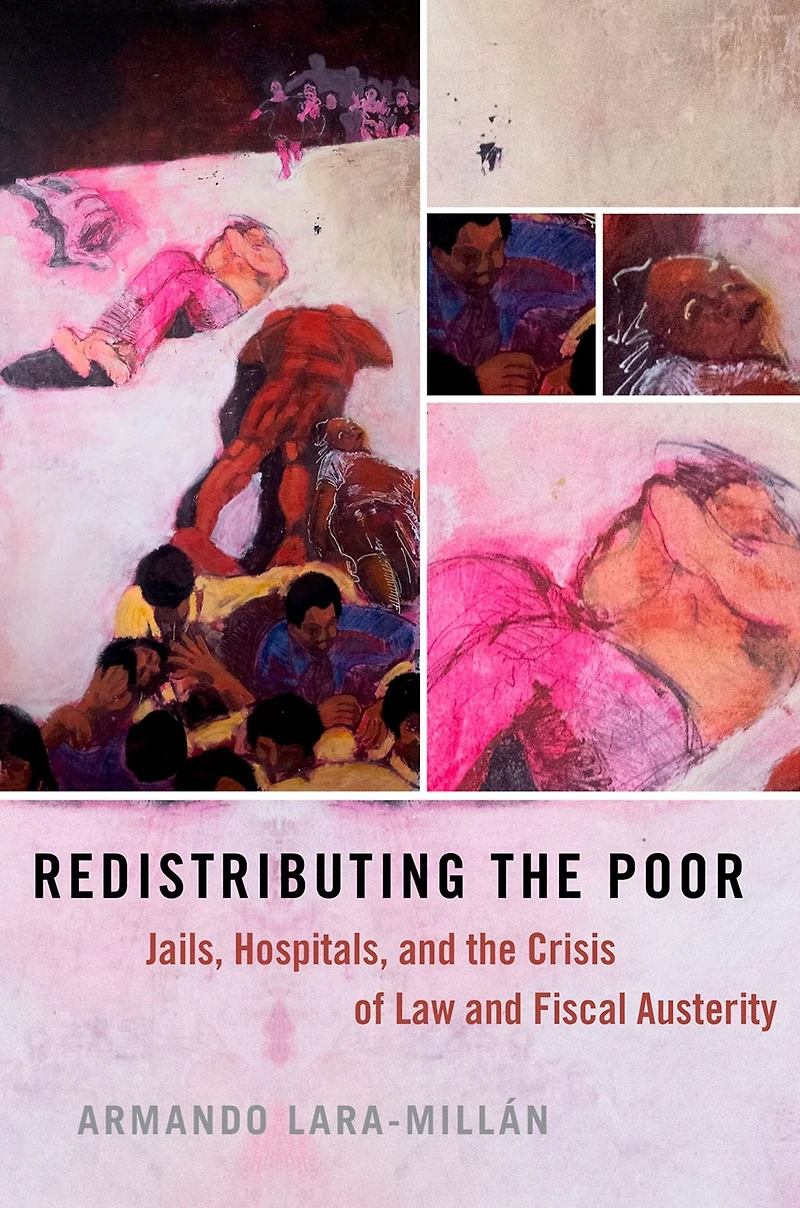
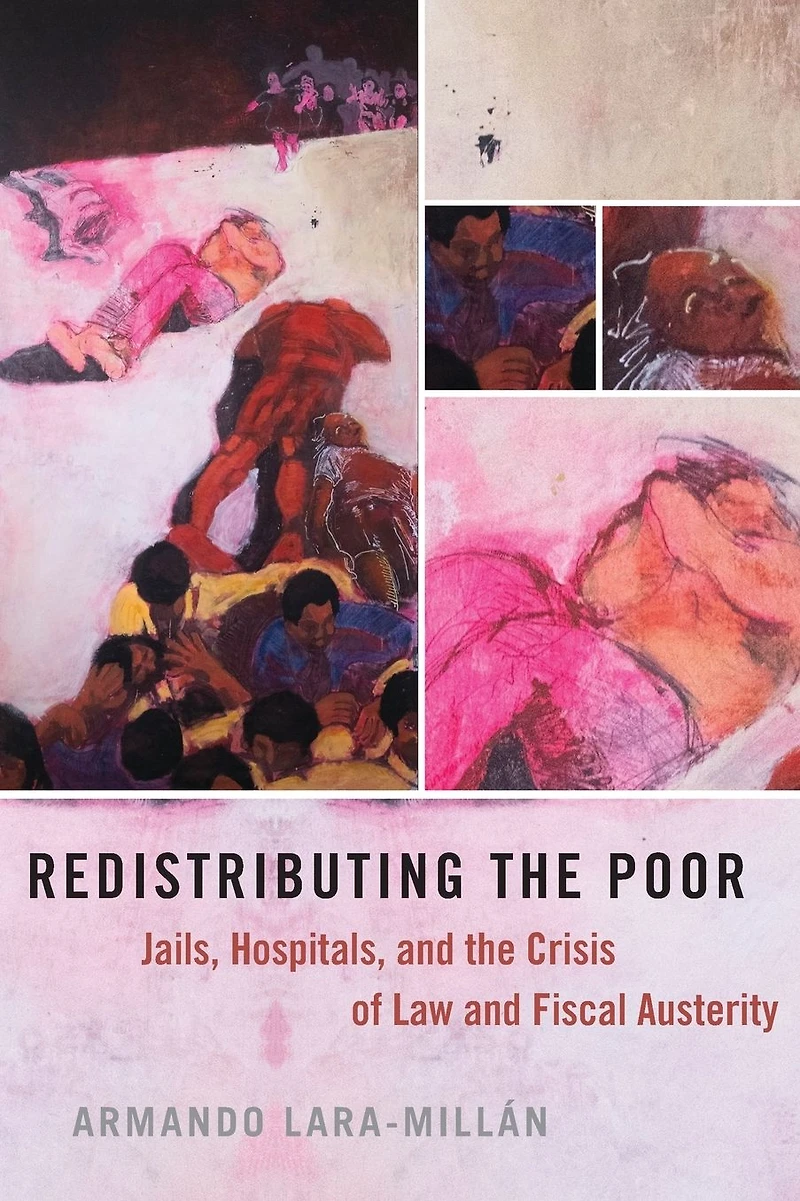
Whenever the topic of large jails and public hospitals in urban America is raised, a single idea comes to mind. It is widely believed that because we as a society have dis-invested from public health, the sick and poor now find themselves within the purview of criminal justice institutions. In Redistributing the Poor, ethnographer and historical sociologist Armando Lara-Millán takes us into the day-to-day operations of running the largest hospital and jail system in the world and argues that such received wisdom is a drastic mischaracterization of the way that states govern urban poverty at the turn of the 21st century. Rather than focus on our underinvestment of health and overinvestment of criminal justice, his idea of "redistributing the poor" draws attention to how state agencies circulate people between different institutional spaces in such a way that generates revenue for some agencies, cuts costs for others, and projects illusions that services have been legally rendered. By centering the state's use of redistribution, Lara-Millán shows how certain forms of social suffering-the premature death of mainly poor, people of color-are not a result of the state's failure to act, but instead the necessary outcome of so-called successful policy.
Whenever the topic of large jails and public hospitals in urban America is raised, a single idea comes to mind. It is widely believed that because we as a society have dis-invested from public health, the sick and poor now find themselves within the purview of criminal justice institutions. In Redistributing the Poor, ethnographer and historical sociologist Armando Lara-Millán takes us into the day-to-day operations of running the largest hospital and jail system in the world and argues that such received wisdom is a drastic mischaracterization of the way that states govern urban poverty at the turn of the 21st century. Rather than focus on our underinvestment of health and overinvestment of criminal justice, his idea of "redistributing the poor" draws attention to how state agencies circulate people between different institutional spaces in such a way that generates revenue for some agencies, cuts costs for others, and projects illusions that services have been legally rendered. By centering the state's use of redistribution, Lara-Millán shows how certain forms of social suffering-the premature death of mainly poor, people of color-are not a result of the state's failure to act, but instead the necessary outcome of so-called successful policy.









Find at Mall of America® in Bloomington, MN
Visit at Mall of America® in Bloomington, MN