


Home
Redefining Development: Resolving Complex Challenges a Global Context
Barnes and Noble
Loading Inventory...
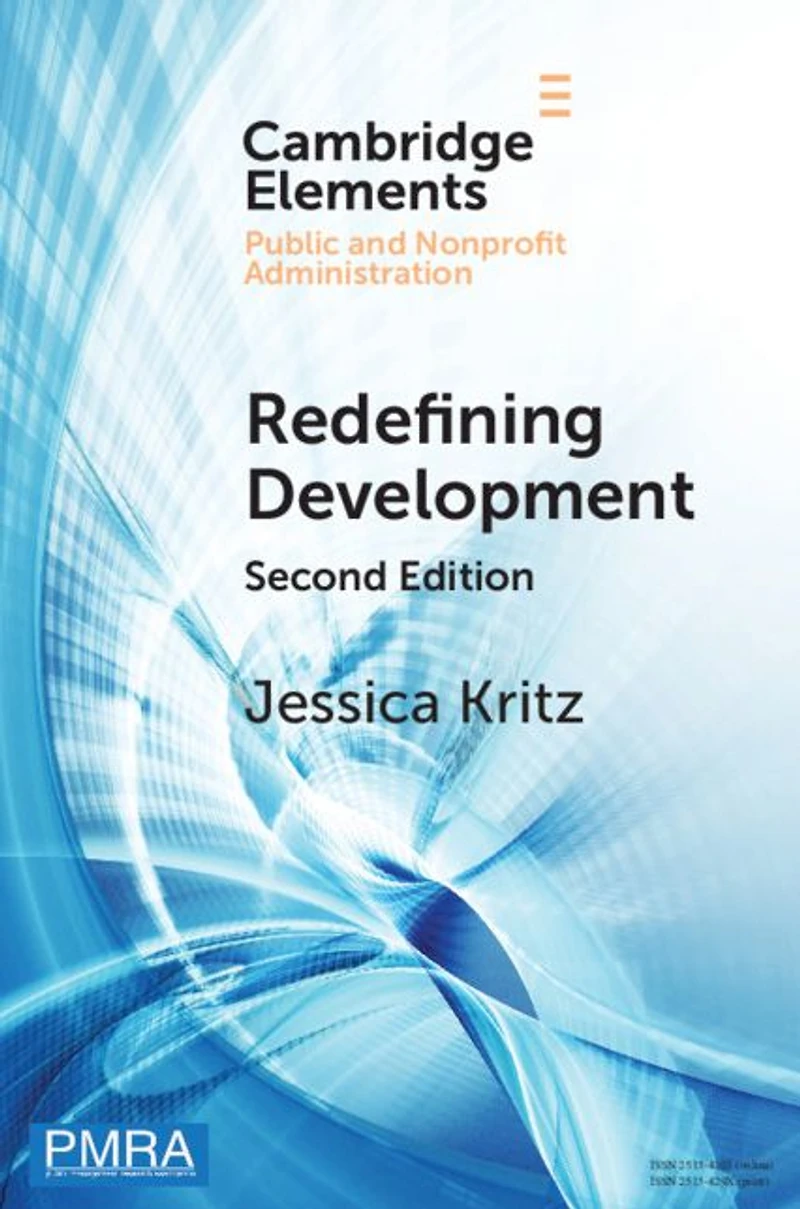
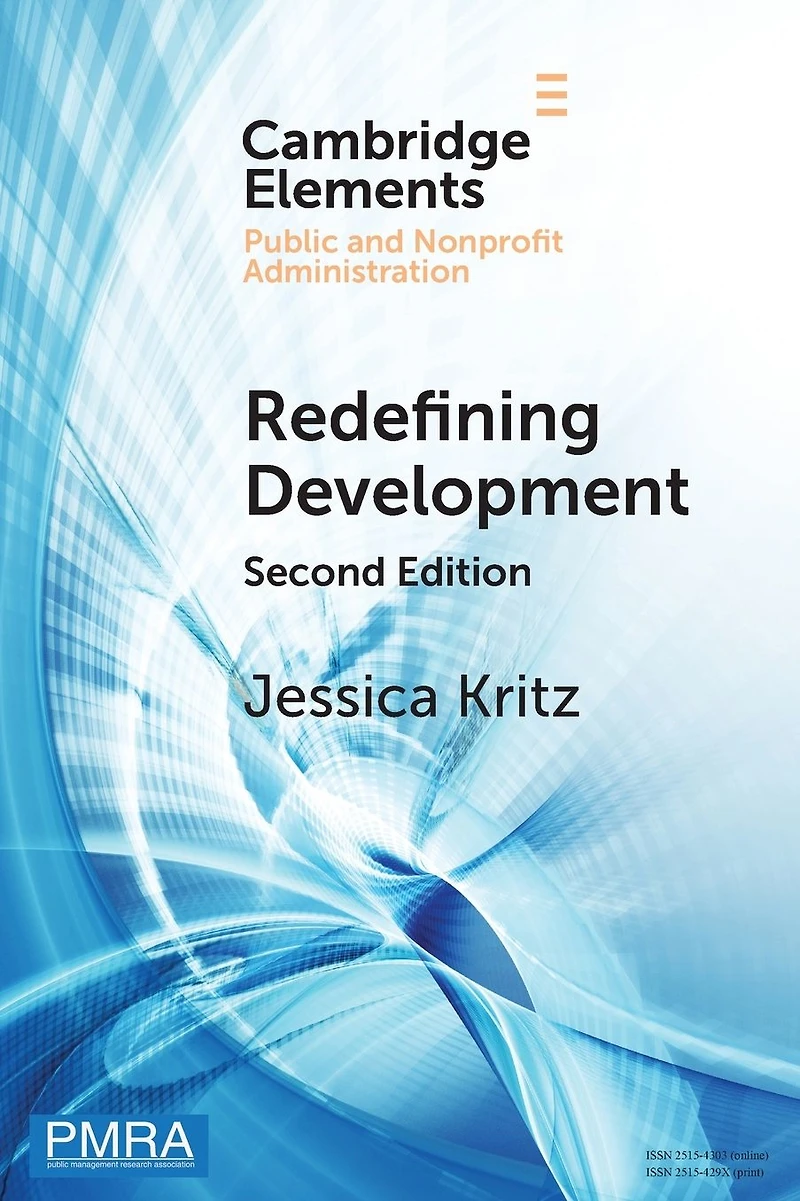
Redefining Development: Resolving Complex Challenges a Global Context in Bloomington, MN
By Barnes & Noble
Current price: $25.00

Redefining Development: Resolving Complex Challenges a Global Context in Bloomington, MN
Current price: $25.00
Loading Inventory...
Size: EBook
In 2015, Old Fadama, the largest informal community in Accra, was a government 'no-go zone.' Armed guards accompanied a participatory action research team and stakeholders as they began an empirical research project. Their goals: resolve wicked problems, advance collaboration theory, and provide direct services to vulnerable beneficiaries. In three years, they designed a collaboration intervention based on rigorous evidence, Ghana's culture and data from 300 core stakeholders. Sanitation policy change transformed the community, and government began to collaborate freely. By 2022, the intervention was replicated in Accra, Kumasi and eleven rural communities, providing health services to more than 10,000 kayayei (women head porters) and addressing complex challenges for 15,000 direct and hundreds of thousands of indirect beneficiaries. This collaboration intervention improved community participation, changed policy, and redefined development in theory and practice. This title is also available as Open Access on Cambridge Core.
In 2015, Old Fadama, the largest informal community in Accra, was a government 'no-go zone.' Armed guards accompanied a participatory action research team and stakeholders as they began an empirical research project. Their goals: resolve wicked problems, advance collaboration theory, and provide direct services to vulnerable beneficiaries. In three years, they designed a collaboration intervention based on rigorous evidence, Ghana's culture and data from 300 core stakeholders. Sanitation policy change transformed the community, and government began to collaborate freely. By 2022, the intervention was replicated in Accra, Kumasi and eleven rural communities, providing health services to more than 10,000 kayayei (women head porters) and addressing complex challenges for 15,000 direct and hundreds of thousands of indirect beneficiaries. This collaboration intervention improved community participation, changed policy, and redefined development in theory and practice. This title is also available as Open Access on Cambridge Core.
Shop Similar Products









Find at Mall of America® in Bloomington, MN
Visit at Mall of America® in Bloomington, MN