


Home
Ranquil: Rural Rebellion, Political Violence, and Historical Memory Chile
Barnes and Noble
Loading Inventory...
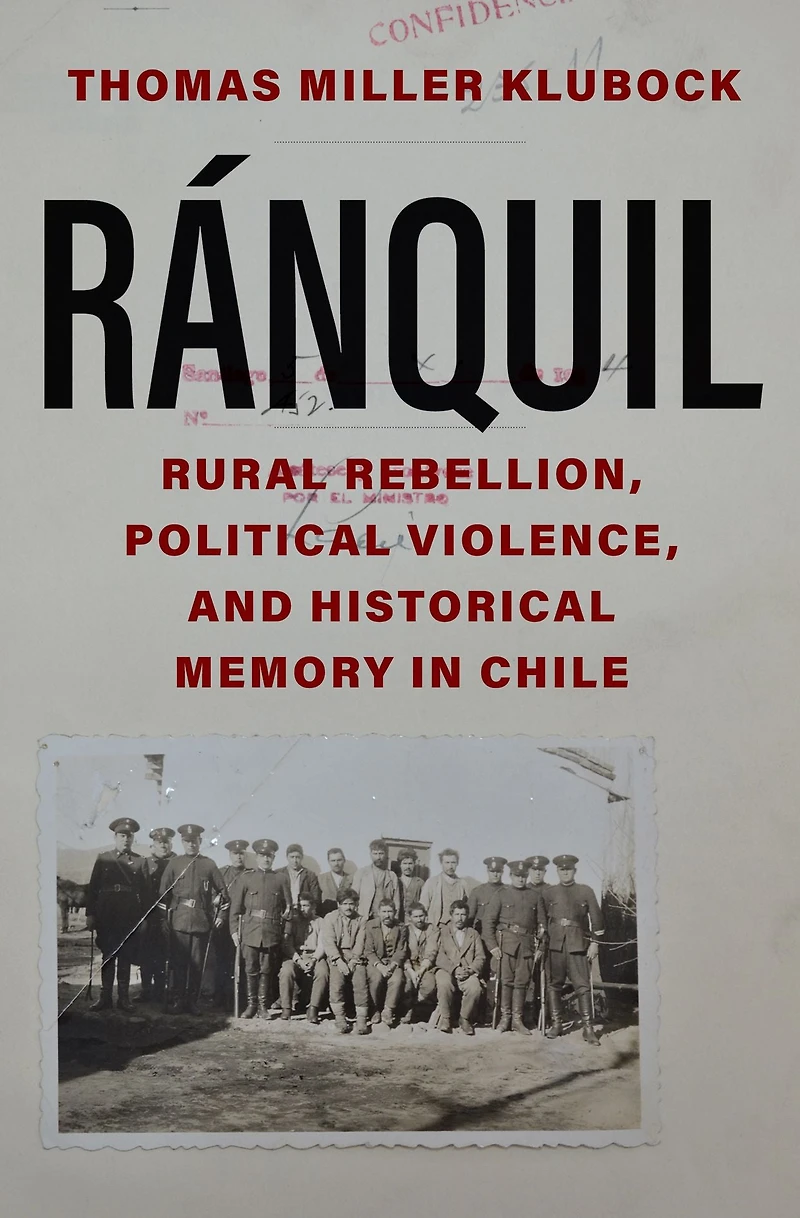
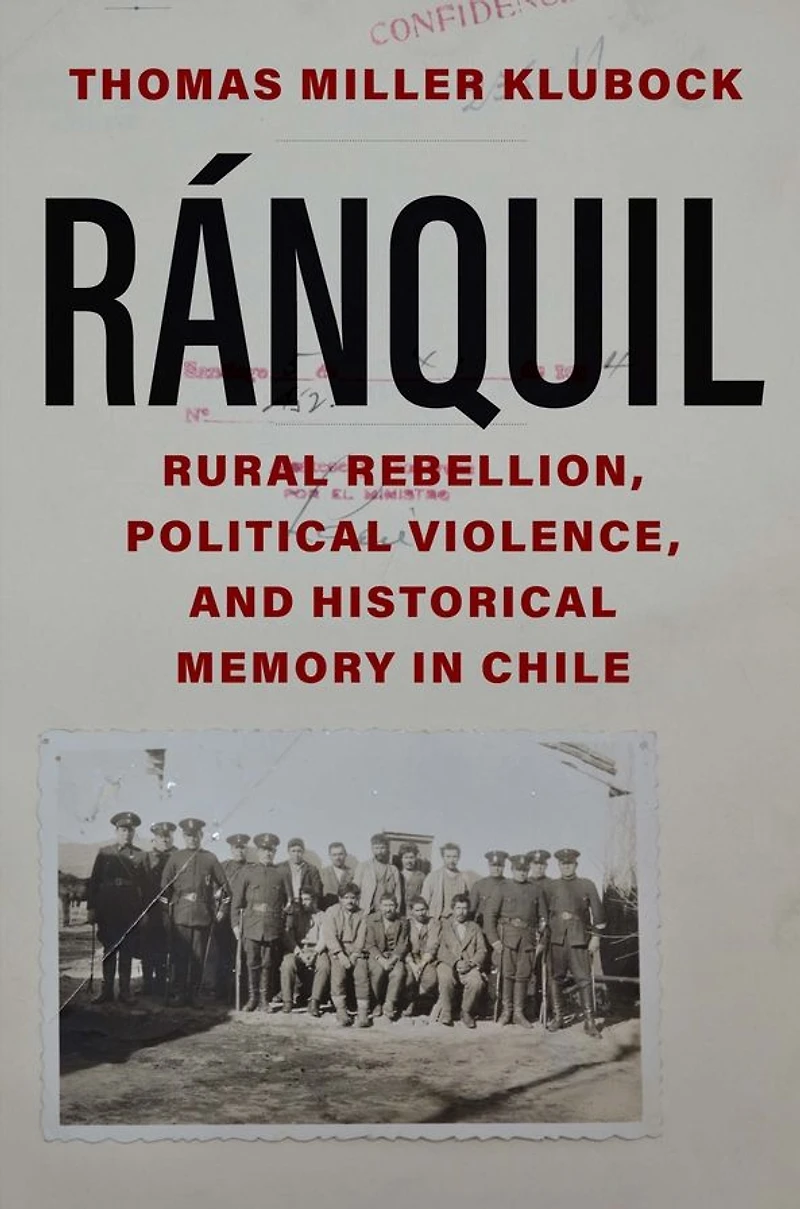
Ranquil: Rural Rebellion, Political Violence, and Historical Memory Chile in Bloomington, MN
By Barnes & Noble
Current price: $50.00

Ranquil: Rural Rebellion, Political Violence, and Historical Memory Chile in Bloomington, MN
Current price: $50.00
Loading Inventory...
Size: EBook
The first major history of Chile’s most significant peasant rebellion and the violent repression that followed In 1934, peasants turned to revolution to overturn Chile’s oligarchic political order and the profound social inequalities in the Chilean countryside. The brutal military counterinsurgency that followed was one of the worst acts of state terror in Chile until the military dictatorship of Augusto Pinochet (1973–1990). Using untapped archival sources, award-winning scholar Thomas Miller Klubock exposes Chile’s long history of political violence and authoritarianism and chronicles peasants’ movements to build a more just and freer society. Klubock further explores how an amnesty law that erased both the rebellion and the military atrocities lay the foundation for the political stability that characterized Chile’s multi-party democracy. This historical amnesia or olvido, Klubock argues, was a precondition of national reconciliation and democratic rule, which endured until 1973, when conflict in the countryside ended once again with violent repression during the Pinochet dictatorship.
The first major history of Chile’s most significant peasant rebellion and the violent repression that followed In 1934, peasants turned to revolution to overturn Chile’s oligarchic political order and the profound social inequalities in the Chilean countryside. The brutal military counterinsurgency that followed was one of the worst acts of state terror in Chile until the military dictatorship of Augusto Pinochet (1973–1990). Using untapped archival sources, award-winning scholar Thomas Miller Klubock exposes Chile’s long history of political violence and authoritarianism and chronicles peasants’ movements to build a more just and freer society. Klubock further explores how an amnesty law that erased both the rebellion and the military atrocities lay the foundation for the political stability that characterized Chile’s multi-party democracy. This historical amnesia or olvido, Klubock argues, was a precondition of national reconciliation and democratic rule, which endured until 1973, when conflict in the countryside ended once again with violent repression during the Pinochet dictatorship.
Shop Similar Products








Find at Mall of America® in Bloomington, MN
Visit at Mall of America® in Bloomington, MN